Last updated November 23, 2026
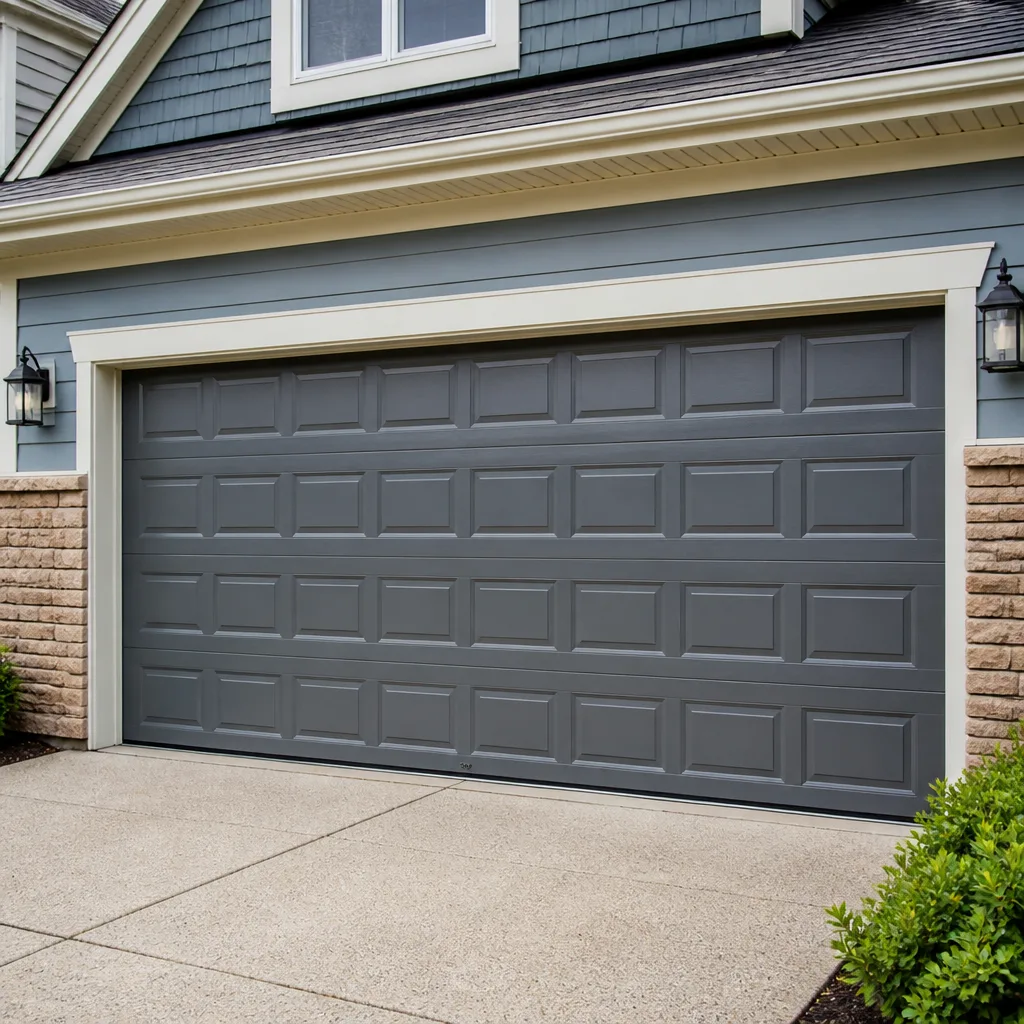 Raised-panel steel
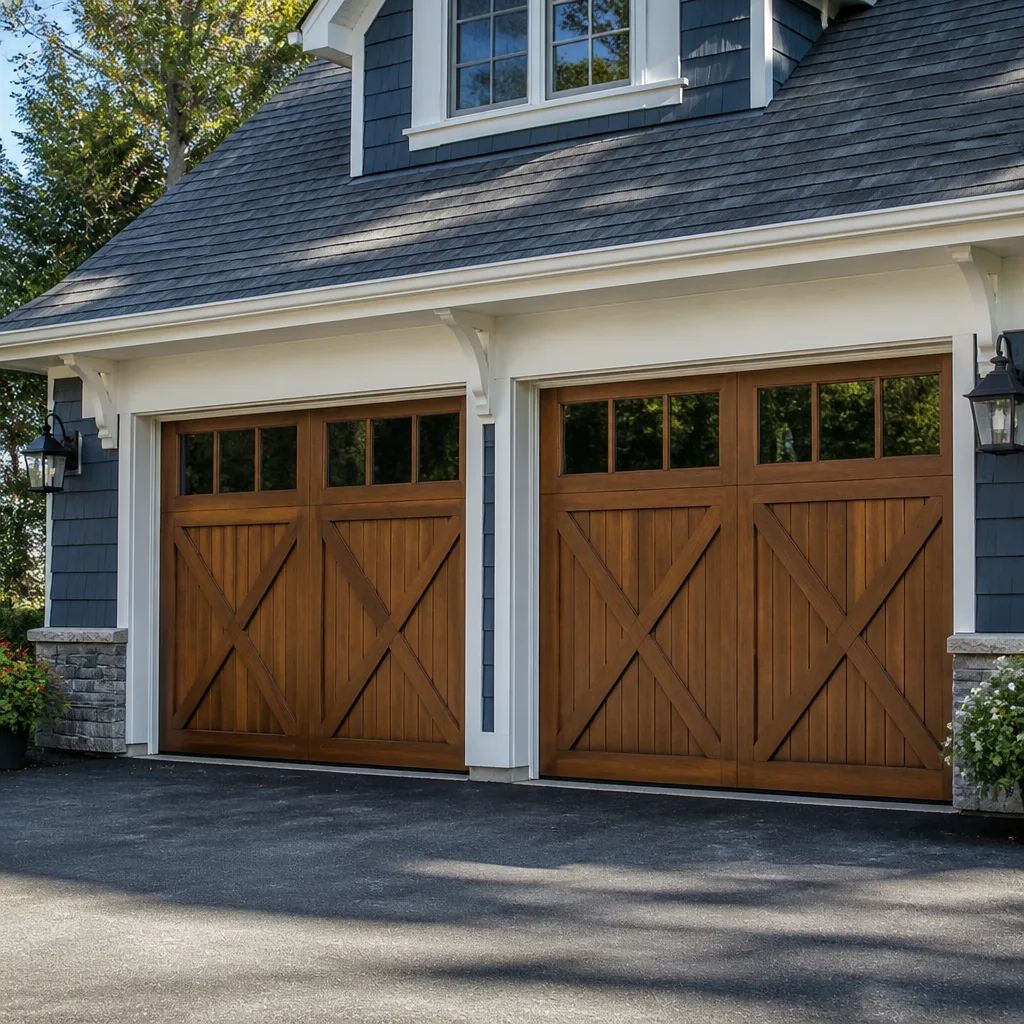 Carriage house
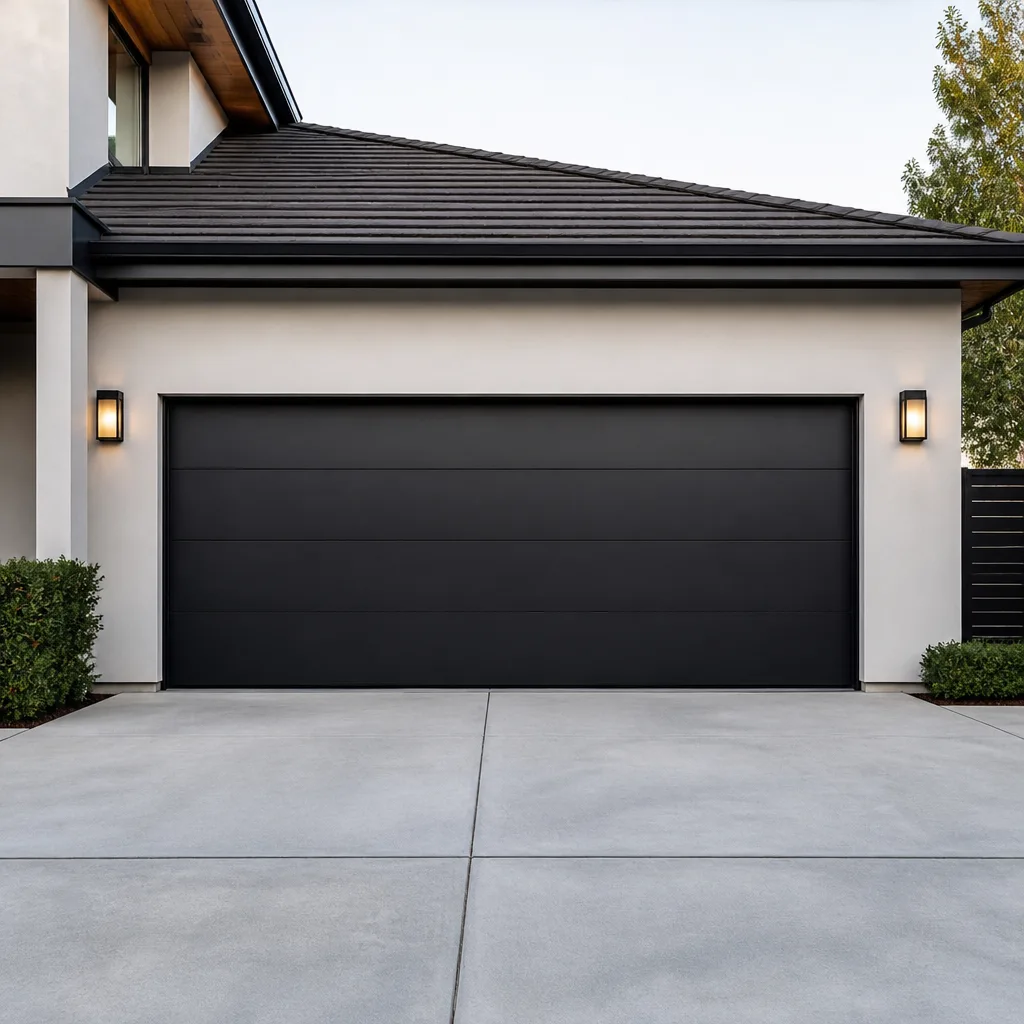 Modern flush
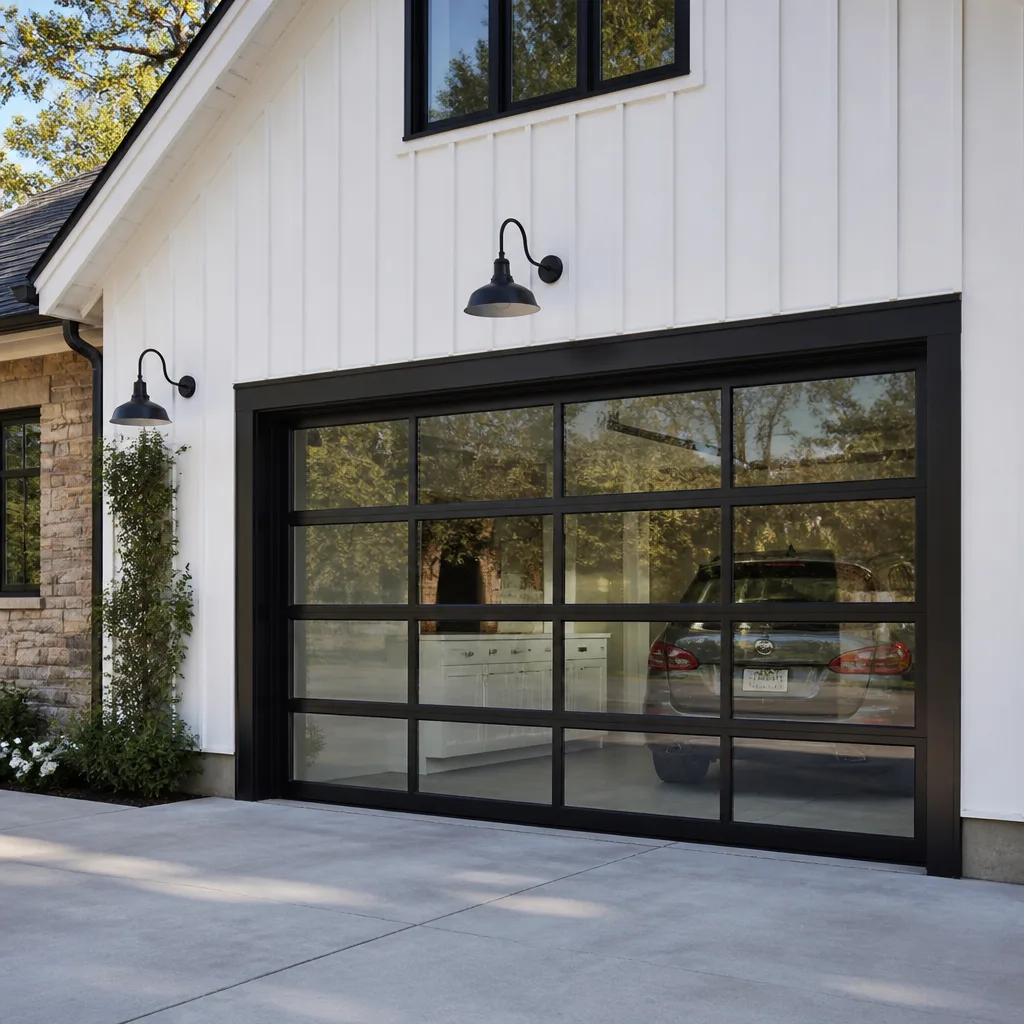 Full-view glass
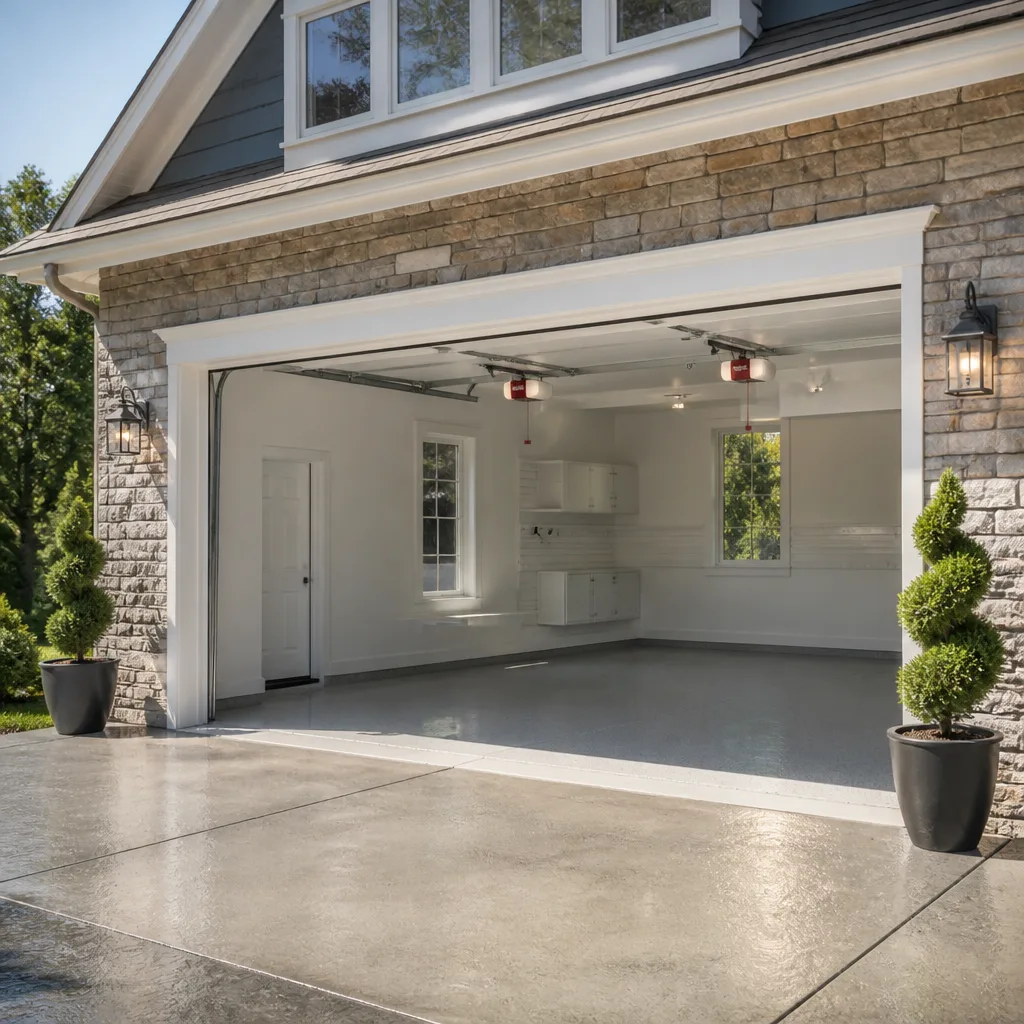 LiftMaster openers
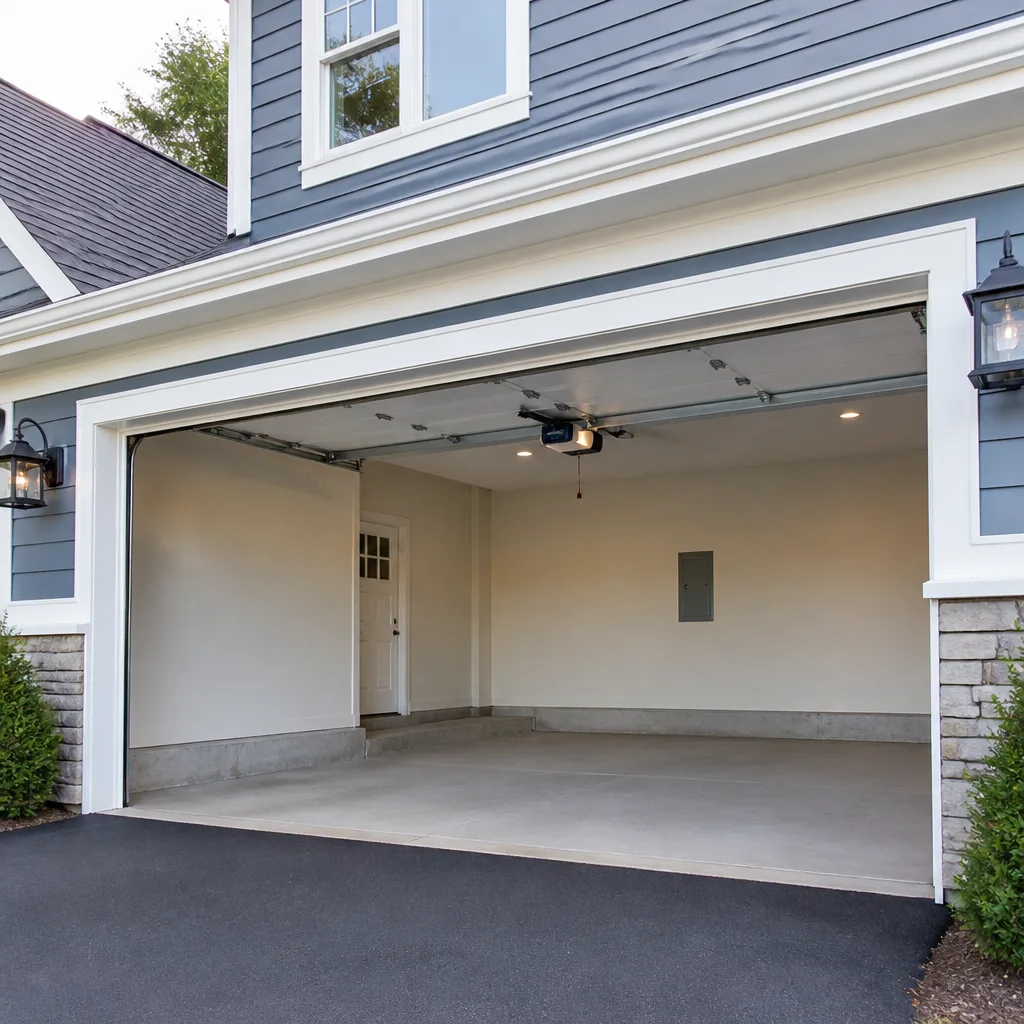 Chamberlain openers
Full 25-point door and opener safety check with every visit - springs, cables, rollers, tracks, and your LiftMaster or Chamberlain opener included
You get a price before we start. It does not change when the pro arrives.
Get your free estimateGarage Door Emergency Preparedness Guide for Hempstead Homes
Most garage door emergencies aren’t really emergencies. They’re surprises. The door that won’t open during a nor’easter because nobody ever tested the manual release. The torsion spring that snaps on the coldest morning of February while the car sits trapped inside. The opener that grinds to a halt and leaves the house wide open to the street. In every one of those cases, the homeowner could have done something small and cheap ahead of time that would have turned a crisis into a nuisance. This guide is about those small things. We’ll cover how to release your door by hand without damaging it, how a broken spring behaves in cold weather, how to prepare for a power outage, how to secure a door that won’t close during a storm, and what to tell a technician when you call so the right parts actually show up. It’s written for Hempstead homes in particular, because the weather here, the housing stock, and the openers bolted to the ceilings of this town all shape what goes wrong and when.
Quick Answer
Garage door emergencies in Hempstead come down to two predictable scenarios: a power outage during a storm that leaves an electric opener dead, and a torsion spring that fails during a winter cold snap. Both are manageable if you’ve tested your manual release before you need it and know what to say when you call for service. A trained technician should handle any spring work, since torsion springs are under extreme tension and can cause serious injury.
Styles & brands we work with
- Raised-panel steel
- Carriage house
- Modern flush
- Full-view glass
- LiftMaster openers
- Chamberlain openers
Table of Contents
- How do you use the manual release on a garage door opener?
- Do different opener brands release the same way?
- What happens when a spring breaks in winter?
- How do you prepare for a power outage?
- How do you secure a garage door that won’t close during a storm?
- What should you tell a technician when you call?
- Common Mistakes to Avoid
- When to Call a Professional
How do you use the manual release on a garage door opener?
The manual release lets you disconnect the door from the opener so you can lift it by hand. On nearly every residential opener, it’s a red cord or handle hanging from the trolley that runs along the rail. Pull it straight down and toward the door. You’ll feel the trolley disengage, and from that point the door moves on its springs and tracks alone, with no motor involved.
The sequence matters more than people expect. Do it in this order:
- Make sure the door is fully closed before you pull the release. Releasing a door that’s partway up can let it drop fast.
- Stand clear of the door’s path and to the side of the tracks, not underneath the panels.
- Pull the release cord straight down with steady pressure, not a yank.
- Lift the door slowly by hand to confirm it moves freely and stays where you leave it. A door that won’t stay up has a spring problem, not an opener problem.
- To reconnect, close the door fully, then pull the release cord again or run the opener until the trolley re-engages. Never force the trolley back by hand while the door is open.
The ten seconds it takes to practice this is the entire point of this section. If you’ve never pulled that cord, do it once on a calm day when nothing is at stake. A homeowner standing in a dark garage during a storm with no idea which cord to pull is the situation we hear about most. In Hempstead, where many houses have attached garages and one-car-wide driveways, a door that won’t open means the whole household is stuck until it’s fixed.
Do different opener brands release the same way?
Yes, the basic release is universal, but the trolley design and the reconnect procedure vary by brand and that’s where mistakes happen. We work on LiftMaster, Chamberlain, Genie, Clopay, Amarr, Wayne Dalton, Craftsman, and Raynor equipment, and the differences are worth knowing before you’re standing under a dead opener in the dark.
- LiftMaster and Chamberlain (they share much of their engineering) use a trolley with a spring-loaded latch that re-engages when the door closes and you run the opener. Pull straight down to release. If you pull at an angle, the latch can jam.
- Craftsman openers, common on older Hempstead homes, often have an older-style trolley where the release needs a firm straight pull and the reconnect happens by running the opener with the door fully closed.
- Genie models vary more across generations. Some have a release that needs to be pulled down and slightly toward the motor. Forcing it sideways is the usual error.
- Wayne Dalton and Raynor doors paired with their matching openers sometimes use a slightly different trolley geometry. The release still hangs from the rail, but the reconnect step can need two pulls rather than one.
The mistake that damages the trolley is almost always the same: pulling the release while the door is open or moving, then trying to slam it back into place. If the trolley won’t re-engage smoothly after a few attempts, stop. Forcing it can bend the trolley arm or strip the carriage, which turns a free release into a repair. When that happens, that’s a job for garage door opener repair rather than something to muscle through. Knowing your brand ahead of time also means that when you call, we already know what we’re dealing with.
What happens when a spring breaks in winter?
A torsion spring is a coiled steel spring wound tight above the door, and cold weather makes steel more brittle. When a spring fails, it usually makes a loud bang and the door becomes extremely heavy. The opener will strain, the door may hang partway open, and the whole system is now unsafe to operate. This is the single most common emergency call we get in Hempstead during a cold snap, and it’s the one where the wrong workaround can genuinely hurt someone.
Here’s what’s safe and what isn’t after a spring breaks:
- Safe: Leave the door closed if you can, disconnect the opener using the manual release, and call for garage door spring repair. Don’t try to lift a door with a broken torsion spring. It can weigh hundreds of pounds with nothing balancing it.
- Safe: Park outside, use another entrance, and keep clear of the door. A door held up by one working spring can drop unexpectedly.
- Not safe: Trying to prop the door open with a broom, a ladder, or blocks. Springs and cables carry stored energy, and a door that suddenly releases that energy can crush what’s under it.
- Not safe: Spraying lubricant and hoping it re-seats. Lubrication doesn’t fix a snapped spring, and the door is still unbalanced.
- Not safe: Anything involving winding or unwinding a torsion spring yourself. That’s the part that requires a trained technician, and it’s where the serious injuries happen.
Springs are typically replaced in matched pairs, since a second spring of the same age is likely to fail soon after the first. So the price you’re quoted for one spring is roughly half of what a pair costs. When a spring goes in January, the honest advice is to get both done while a technician is there rather than risk a repeat in February.
How do you prepare for a power outage?
The best time to deal with a dead opener is before the power goes out. Battery backup openers are the practical answer for Hempstead’s storm season, and most modern models from LiftMaster and Chamberlain offer them as an option. The catch is that the backup battery has to actually work when called on, and a battery that’s never been tested is often a battery that’s quietly dead.
Test your backup like this during a calm period, not mid-storm:
- Trip the breaker that feeds the opener, or unplug it, to simulate an outage.
- Press the wall button or remote. The door should open and close on battery power.
- Listen for weak or sluggish movement. If the door crawls, the battery is fading.
- Restore the power and confirm the opener returns to normal.
- Repeat this a couple of times a year, and note the age of the battery itself.
If you don’t have a backup opener, the manual release is your fallback, which is why the two skills go together. Some openers also have a small built-in battery you can swap yourself, and others need the whole backup unit checked. If yours doesn’t hold a charge, that’s a conversation for garage door opener repair rather than a do-it-yourself battery swap on a unit you don’t know. For cold stretches, remember that backup batteries lose capacity in low temperatures, so a battery that works in October may act tired by January. Test it in the cold.
How do you secure a garage door that won’t close during a storm?
A door that won’t close leaves the garage open to wind, rain, and anyone walking past. The safe move is to find out why it won’t close before forcing it, because a door that’s come off its track or lost a spring should not be pushed down. Check the simple things first: the photo-eye sensors at the bottom of the tracks, an obstruction in the path, a wall button stuck in the on position, or a remote that’s dead. Sometimes the fix is cleaning the sensor lens or moving a box out of the beam.
If the sensors and path are clear and it still won’t close, secure it without damaging it:
- Use the manual release and lower the door by hand slowly to fully closed, then leave it there. Don’t slam it.
- Lock or block the door from inside if you need the garage secured overnight. A manual lock or a sturdy bar across the inside is safer than propping it.
- Never jam a door with a bent track or a broken spring. Forcing it can drop the panels and bend the track further, which turns a repair into a replacement.
- Don’t tape or clamp the door in a partially open position during high wind. A door catching wind is a lever, and the panels can buckle.
Wind is the real threat in Nassau County storms, and a garage door is a large flat surface that catches it. Securing the door fully closed is always better than leaving it cracked. If the door won’t close because of a mechanical fault, that fault is what garage door repair is for, and it’s simpler to fix a sensor or a spring than to replace bent panels after a storm. Our technicians have up to 8 years of experience and cover panel and door repair alongside the opener and spring work, so it’s one call.
What should you tell a technician when you call?
The more specific you are on the phone, the more likely the right parts are on the call and the less likely you’re waiting for a second visit. We’re factory-familiar with the major brands, so the details you give us translate directly into what a technician brings. Here’s what to have ready before you dial.
- The door make and model. Look for a sticker on the inside of the door, usually near the bottom or on the top panel. Clopay, Amarr, Wayne Dalton, and Raynor all label their doors, and knowing the door matters as much as knowing the opener.
- The opener brand and model. LiftMaster, Chamberlain, Genie, Craftsman, and others are printed on the motor housing. A photo of that label is worth a thousand words.
- What the door is doing. Won’t open, won’t close, opens partway and stops, makes a bang, hangs at an angle, or the opener runs but nothing moves. Each of those points to a different part.
- Whether anything is trapped. If a car is stuck inside, say so. That changes the urgency and the plan.
- Whether the door is fully closed and secure right now. If it’s open or hanging, tell us; the safety advice you get on that call matters.
- Any recent changes. A new remote, a power flicker, a hard wind, a cold snap. These clue us in fast.
If you’re unsure about the brand, don’t guess. Read the label, or snap a photo and text it. When a technician can match your setup to the right spring size, opener part, or sensor before arriving, the first visit is usually the fix. That’s the difference between a single trip and a callback, and it’s why we ask the questions. If your door is completely dead and you need help now, our emergency service is a core offering, not an add-on, so call (844) 443-3818 and we’ll sort the details on the phone.
How can Hempstead homeowners prevent most garage door emergencies?
Almost every emergency we get called for had a warning sign in the weeks before. A rattle that got louder. A door that reversed on its own. A spring that started to sag. The trick is recognizing those signals and acting while they’re still cheap to fix.
Here’s a short maintenance rhythm that does most of the work:
- Test the manual release twice a year, and after any storm that caused a power flicker.
- Look and listen for a stretched or crooked spring. A spring with a visible gap or a door that lifts unevenly is telling you something.
- Wipe and lubricate the tracks and hinges with a garage-door lubricant, not grease.
- Test the safety reverse: place a small object in the door’s path and confirm it reverses. Adjust if it doesn’t.
- Check backup battery function before storm season and again in deep winter.
- Have a trained technician inspect springs and cables once a year. Those are the parts you shouldn’t handle.
Hempstead’s cold snaps are the stress test for springs, and its storms are the stress test for power and wind. A few minutes twice a year catches the parts that are about to fail.
What does emergency garage door service usually cover in Hempstead?
Emergency service is for the situations where the door won’t work or your home is exposed right now: a broken spring, an opener that’s dead after a power event, a door stuck open in a storm, a car trapped inside. When you call, a technician can walk you through the safe immediate steps, then get a visit scheduled.
What’s typically in scope on an emergency call:
- Spring failures, including torsion and extension springs, with matched-pair replacement as the standard approach.
- Opener failure, including motors, logic boards, safety sensors, and reconnections after a manual release.
- Door and panel issues caused by wind, a bad track, or a failed roller.
- Getting the door secured if it can’t be repaired on the spot, so the house isn’t left exposed.
Emergency work is quoted and agreed before anything starts, same as any other job. On a true emergency, the technician explains what’s needed and the price to fix it, you approve, and then the work begins. No surprise invoice. We handle repair, opener work, spring replacement, and full installation in a single call, so there’s no coordinating separate contractors while your garage sits open.
Should you repair or replace a door after storm damage?
That depends on how much of the door got damaged. A single bent panel or a track that’s out of alignment is usually a repair. A door with multiple bent panels, cracked sections, or a frame that took a hit is more often a replacement. The deciding factor is whether the door still operates safely and sits square in the opening.
Things that point toward replacement:
- Several panels are bent, dented, or separating along the seams.
- The tracks are bent beyond a simple realignment.
- The door no longer closes flush, leaving gaps you can see through or feel wind coming past.
- The door is an old model where parts aren’t readily available from Clopay, Amarr, Wayne Dalton, or Raynor.
Things that point toward repair:
- One panel or one section took the damage.
- The opener and springs are fine and the problem is cosmetic or a track adjustment.
- The door still runs smoothly on its springs and only the skin is affected.
For a replacement, the work is measured, ordered, and scheduled rather than done on the spot, because the door has to be the right size and model. That’s a different timeline than a repair. Installation is quoted in advance, and the written estimate sets the final price. If you’re weighing repair against a new install, the safest approach is to have the door looked at honestly rather than guess. Call (844) 443-3818 and we’ll tell you which side of the line your door is on.
See the difference
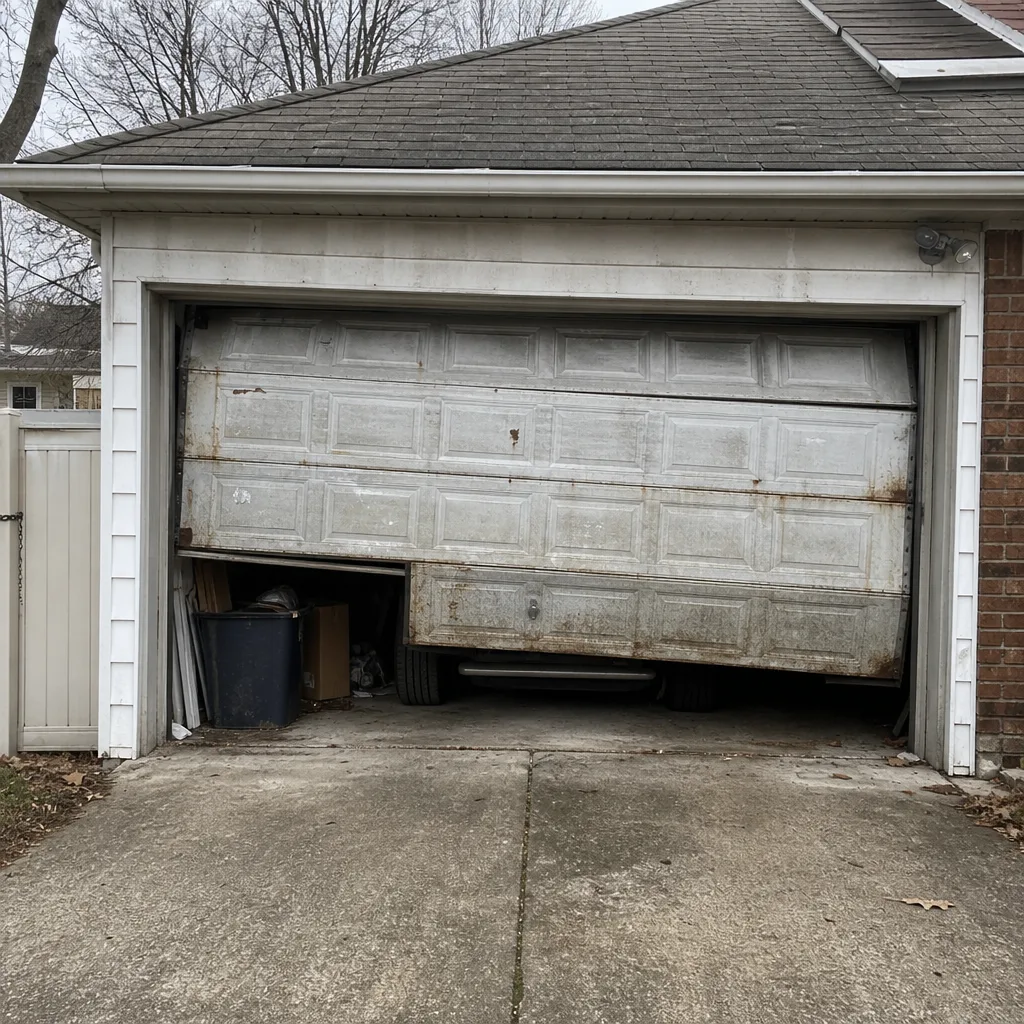 Before
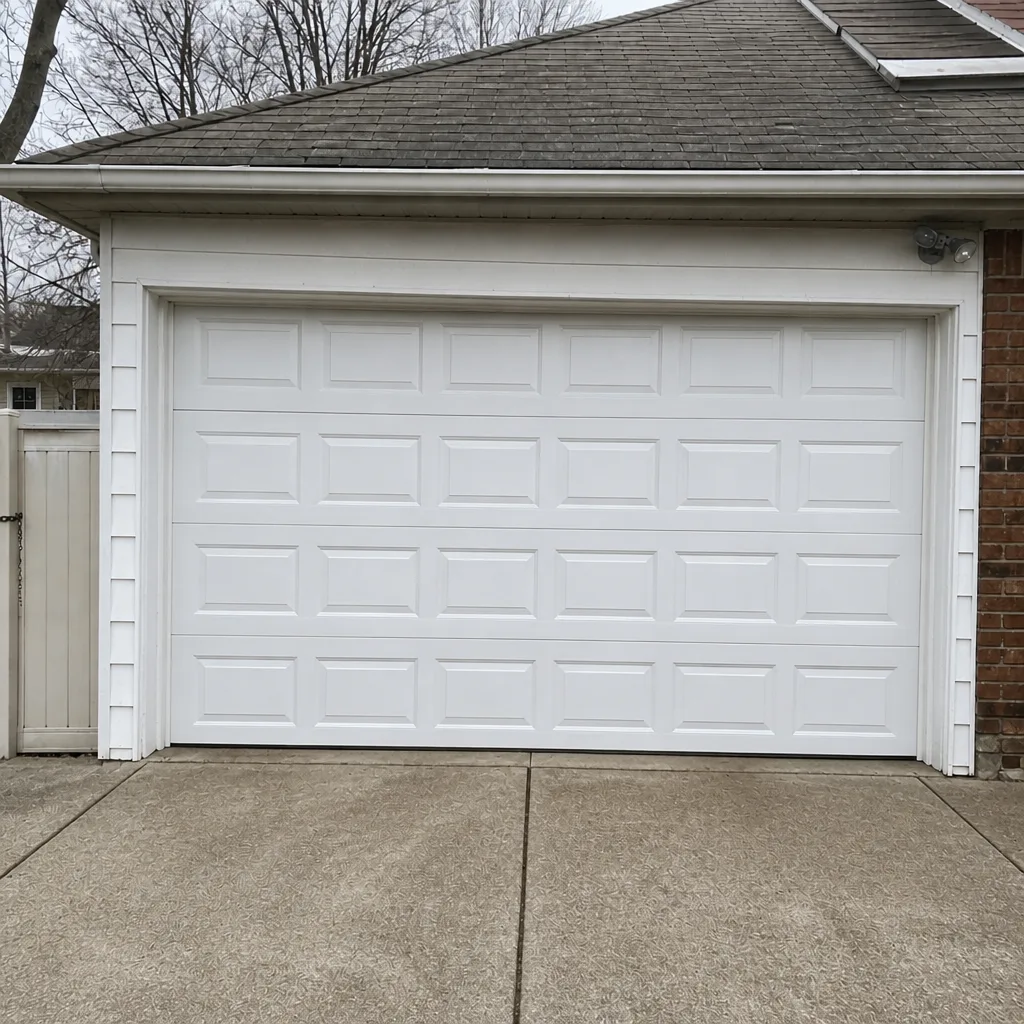 After
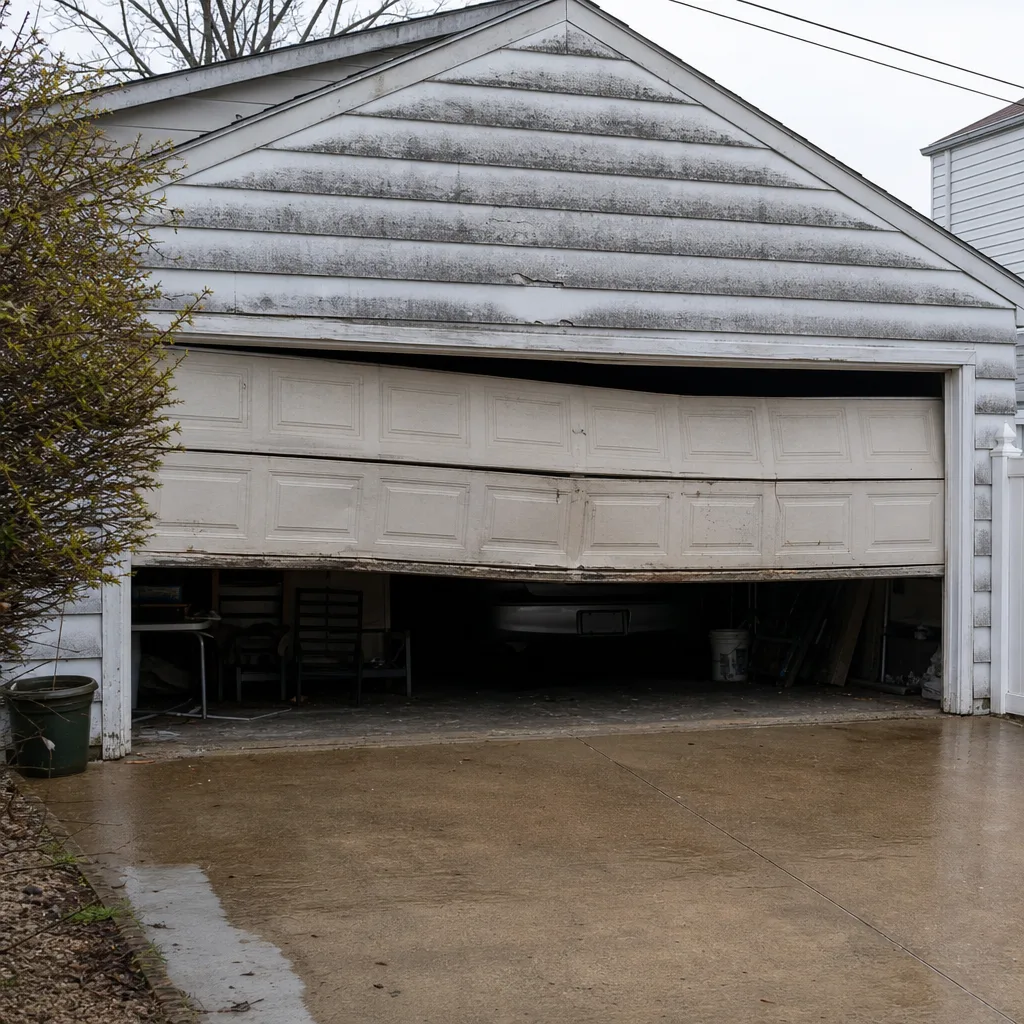 Before
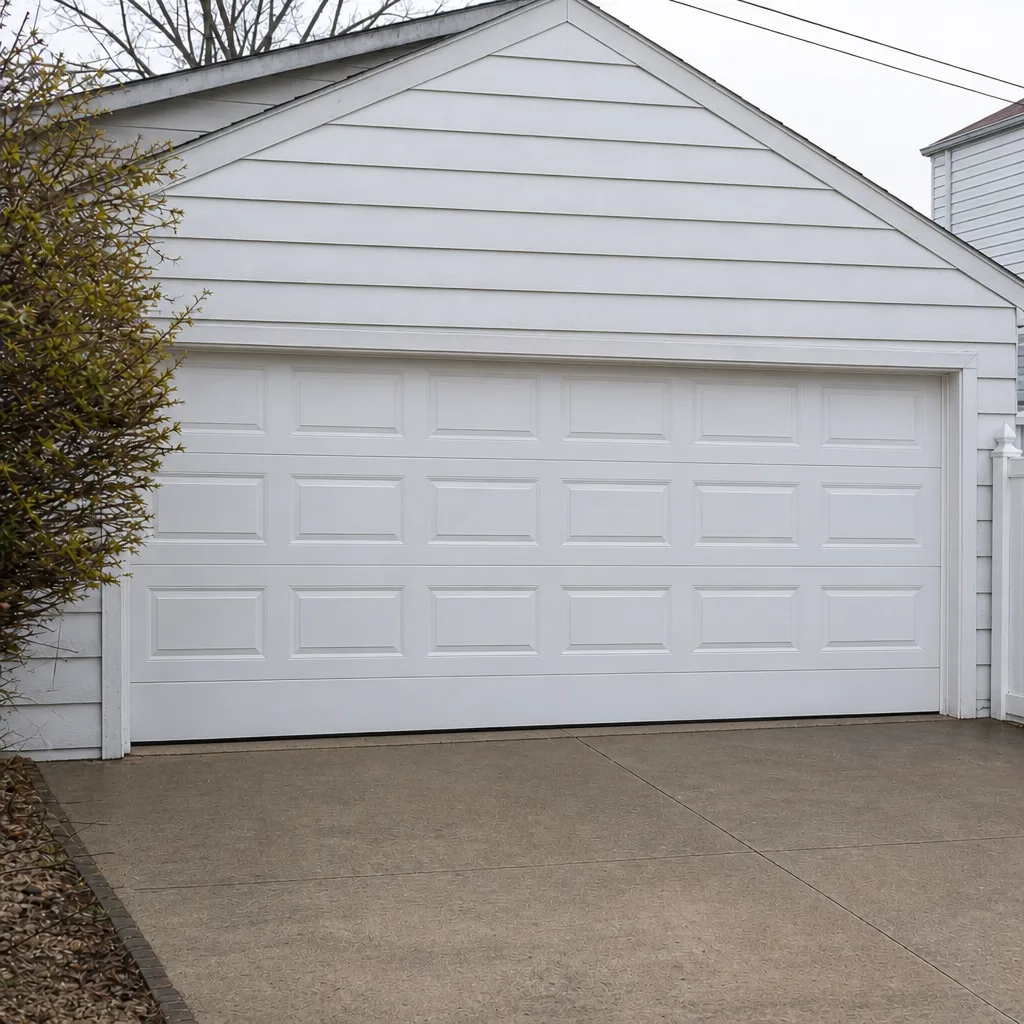 After
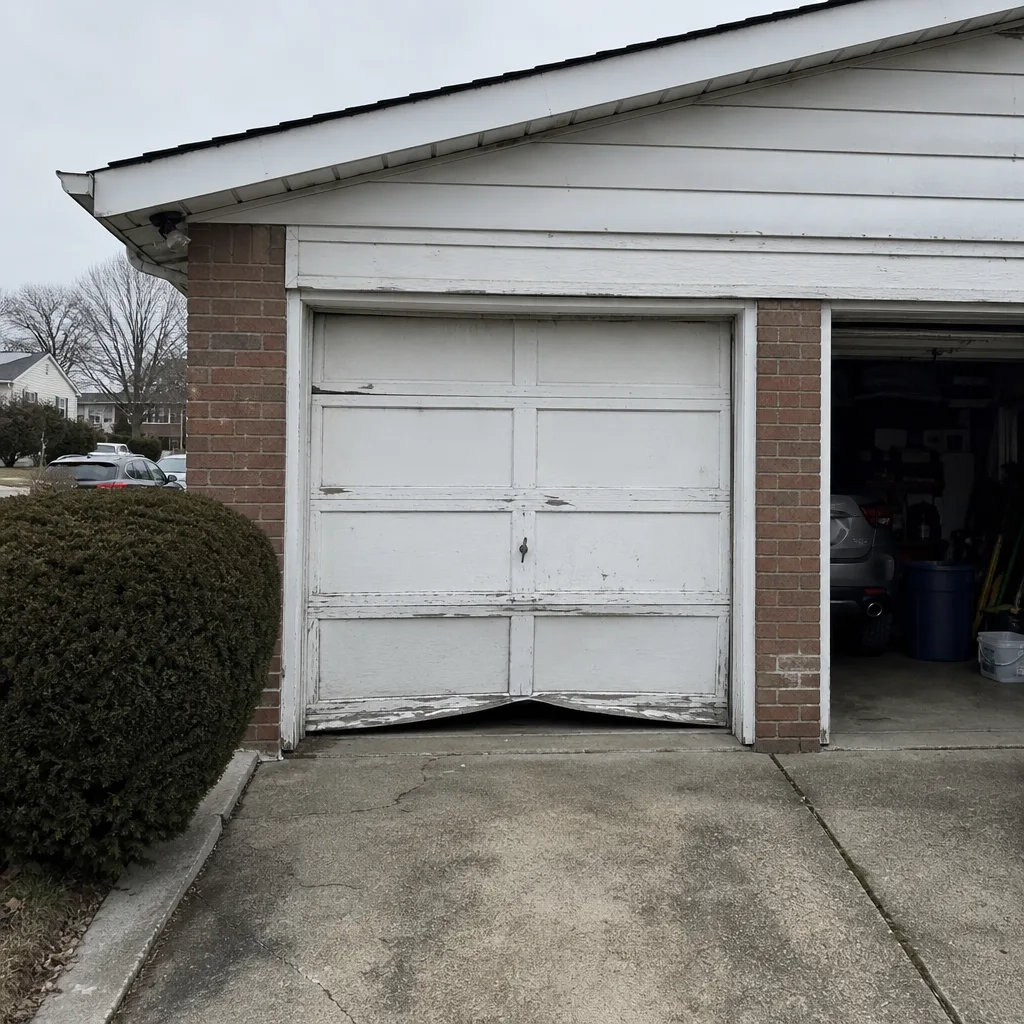 Before
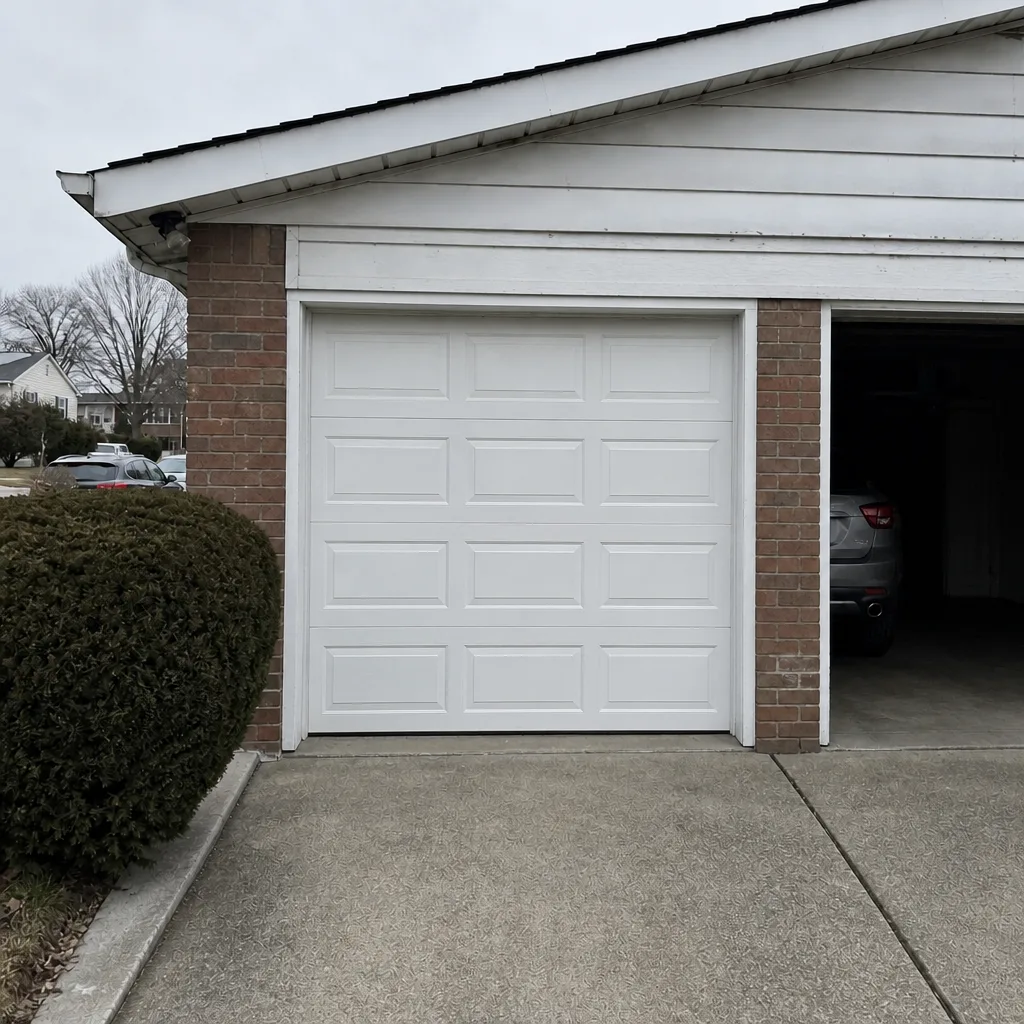 After
Common Mistakes to Avoid
- Never pulling the manual release until it’s an emergency. Homeowners who’ve never tested it end up fumbling in the dark during a storm. Pull it once on a calm day so you know how it feels.
- Forcing the trolley back by hand after a release. That’s what bends the trolley arm and strips the carriage. Always close the door fully and re-engage per the opener’s instructions.
- Trying to DIY a broken torsion spring. Springs are under extreme tension and can cause serious injury. This is the one part of your garage door you should never handle yourself.
- Assuming a backup battery works without testing it. A backup opener that hasn’t been checked is the one that fails when Hempstead’s storms knock out the power for hours.
- Jamming a door shut with a bent track or broken spring. Forcing a damaged door can drop panels or bend the track further, turning a repair into a replacement.
- Replacing only one spring when the other is the same age. Springs are typically replaced in pairs because the second one is likely to fail soon after. Doing them together saves a second service call.
- Calling a technician without knowing your door or opener brand. The sticker on the door and the label on the motor are the two fastest details to get a first-visit fix.
When to Call a Professional
Call a professional when the problem touches springs, cables, the opener’s internal parts, or the door’s balance, and call right away if a car is trapped or the house is open to the street. A broken spring, a door hanging at an angle, an opener that sparks or smells hot, a track that’s bent so the door won’t move, or a safety reverse that won’t work, all of those are jobs for a trained garage door technician and not for a general handyman. We work on LiftMaster, Chamberlain, Genie, Clopay, Amarr, Wayne Dalton, Craftsman, and Raynor equipment, diagnose brand-specific issues quickly, and handle spring, opener, panel, and full installation work in a single call. Hempstead Garage Door Repair Pros offers free estimates in Hempstead; call (844) 443-3818 and we’ll get you sorted without a second trip.
Frequently Asked Questions
Yes. Pull the manual release cord hanging from the opener’s trolley, and the door will move by hand on its springs. Practice it once before you need it, and never pull the release while the door is partly open. Call (844) 443-3818 if the door won’t lift or won’t stay up after release; that points to a spring problem, not an opener problem.
Keep clear of the door, leave it closed if you can, and call for spring repair rather than trying to lift or prop it. A door with a broken torsion spring is extremely heavy and can drop unexpectedly. Springs are typically replaced in pairs, so ask about both when you call. Call (844) 443-3818 for a free estimate.
It’s a practical upgrade for storm season. A backup opener lets you open the door during an outage, but only if the battery actually holds a charge, so test it by tripping the breaker and running the door. If it won’t hold, call (844) 443-3818 and we’ll diagnose it.
The price you agree to before work starts is the price. You get a written estimate, you approve it, and then the work begins, so there’s no invoice bigger than the quote. If something new turns up, the technician explains it and you decide before anything changes. Call (844) 443-3818 for an exact quote; estimates are free.
Each local professional is licensed and insured as their state requires, and they specialize in garage doors specifically, not general contracting. The technician who arrives knows the trade and the equipment. Call (844) 443-3818 to ask about your specific door or opener brand.
Check the safety sensors and the door’s path first, then lower it by hand using the manual release and leave it fully closed. Don’t jam a door with a bent track or a broken spring, because forcing it can cause a panel to drop. Call (844) 443-3818 if the door’s mechanism is the reason it won’t shut.
The Bottom Line
Garage door emergencies in Hempstead are mostly two scenarios, and both reward a little preparation. A power outage is survivable if you’ve tested the manual release and checked your backup battery, and a winter spring failure is survivable if you know to leave the door alone and call a professional. The spring is the one part you never touch yourself; trained hands, safe work, done. Everything else is a matter of knowing the procedure before you need it, keeping a note of your door and opener brands, and calling with the details that get the right parts on the first visit. A door that works when the weather turns is the whole goal, and a few minutes twice a year does most of the work.
If your door is stuck, open, or won’t budge, call Hempstead Garage Door Repair Pros at (844) 443-3818 for a free estimate. We handle Hempstead Garage Door Repair Pros, garage door repair, garage door opener repair, and garage door spring repair, all in one call, for every emergency on this list.
Written by the team at Hempstead Garage Door Repair Pros.