Last updated November 23, 2026
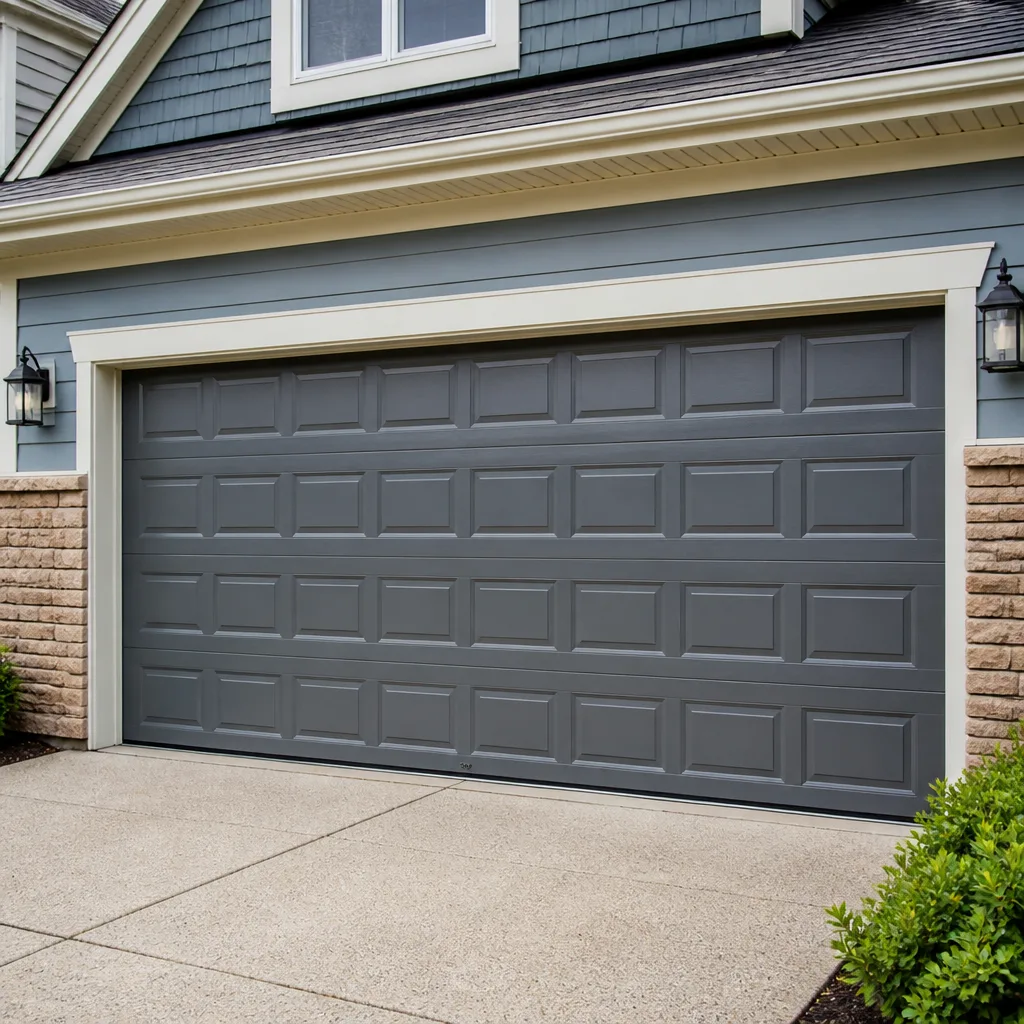 Raised-panel steel
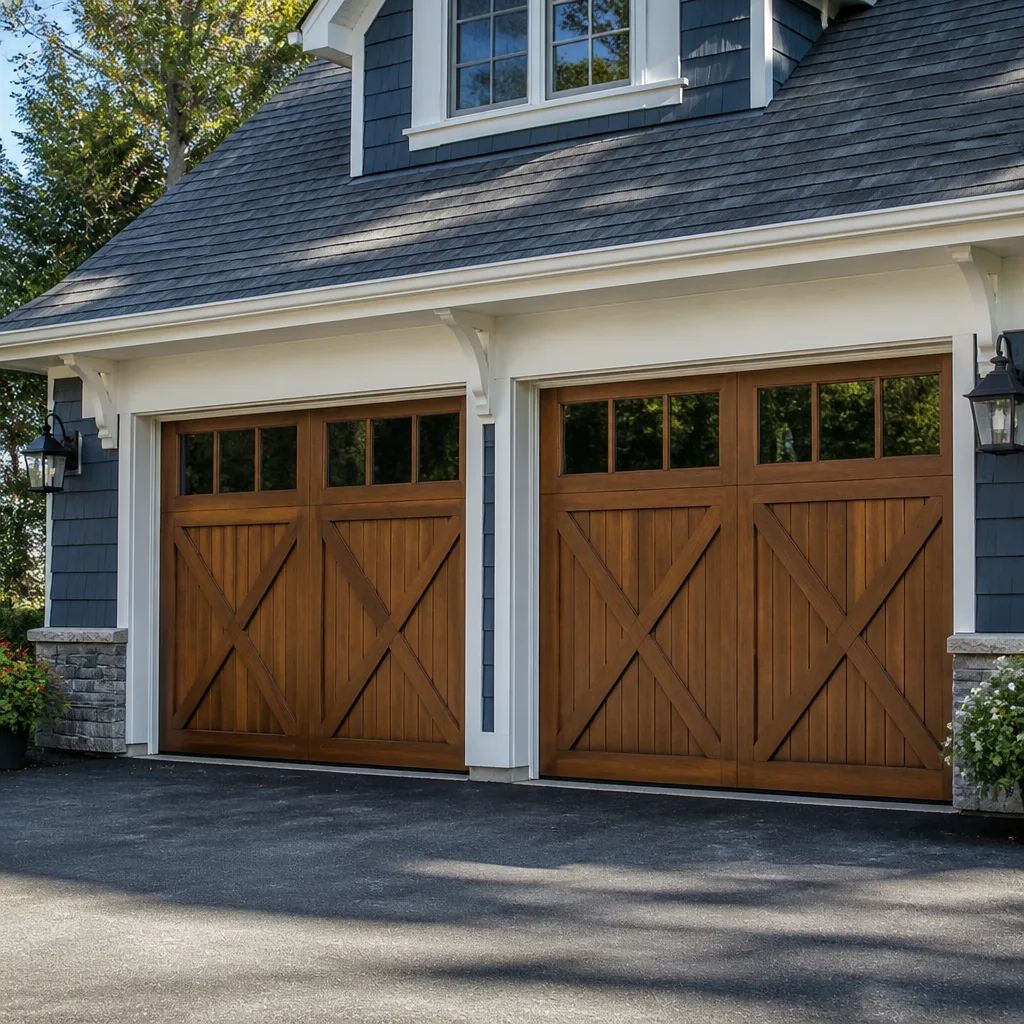 Carriage house
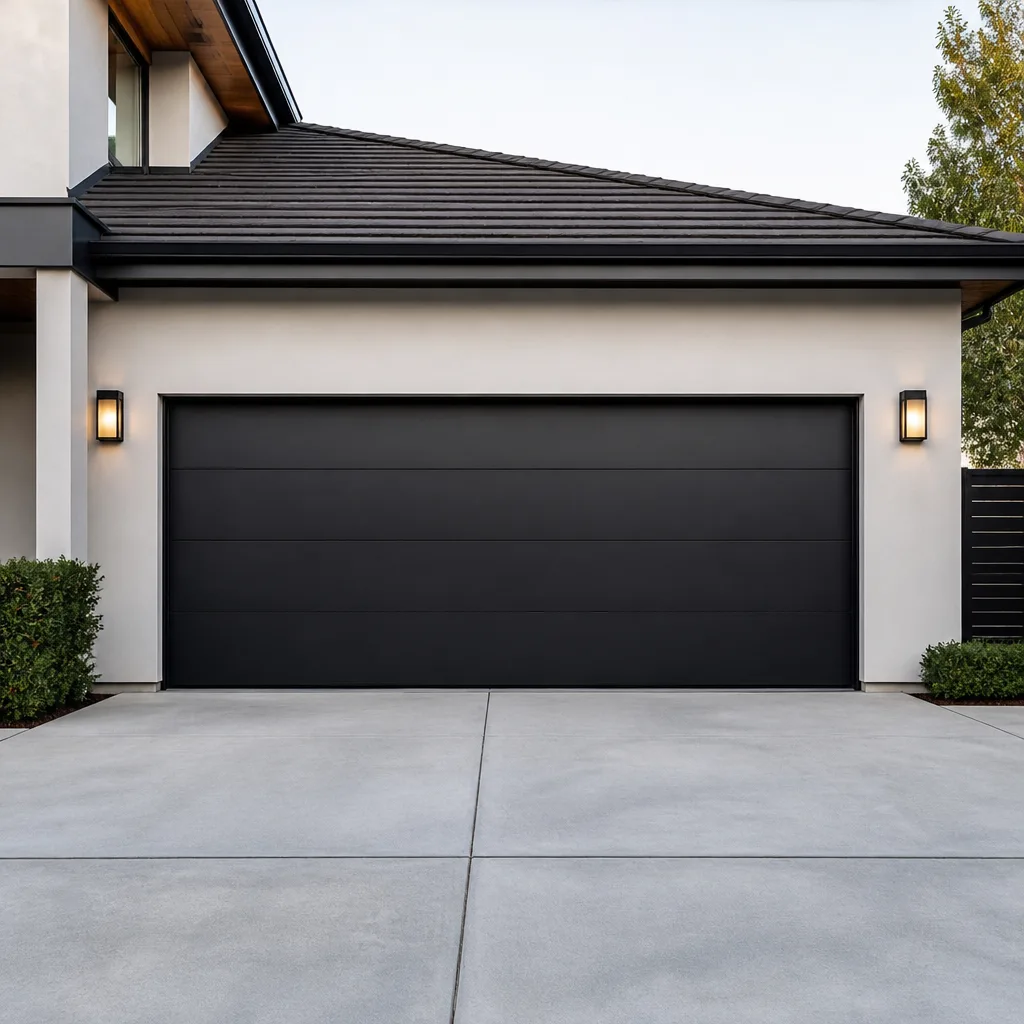 Modern flush
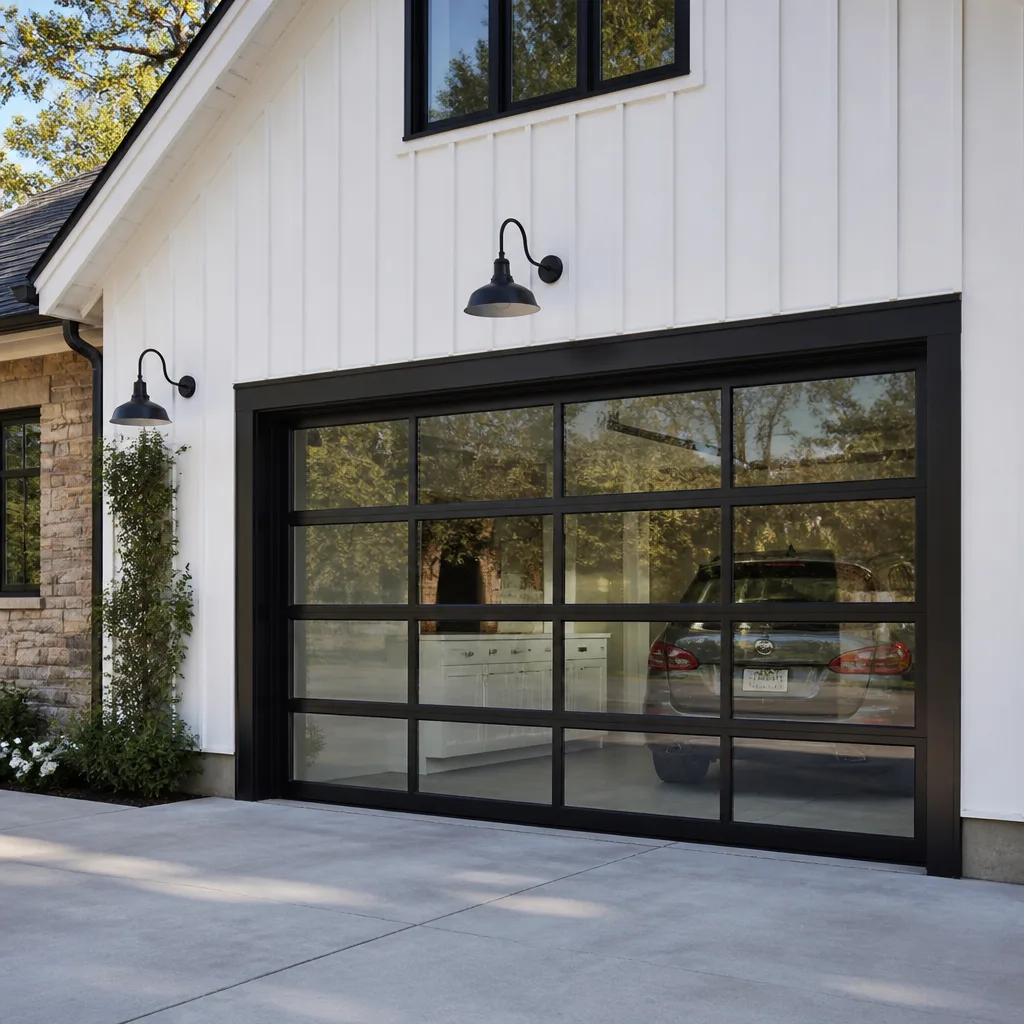 Full-view glass
 LiftMaster openers
 Chamberlain openers
Full 25-point door and opener safety check with every visit - springs, cables, rollers, tracks, and your LiftMaster or Chamberlain opener included
You get a price before we start. It does not change when the pro arrives.
Get your free estimateGarage Door Permits, Codes & Inspections in Hempstead, NY: What You Need to Know
Here’s the part most homeowners don’t expect: whether your garage door replacement needs a building permit in Hempstead can depend on which side of a village boundary line your house sits on. Two homes a few streets apart can fall under completely different rules, one under Town of Hempstead review and the other under an incorporated village’s own building department. Your contractor may not know the difference, and that gap is exactly how unpermitted work ends up surfacing at a home sale years later. In this guide we walk through the layers that actually govern garage door work here, what triggers a permit and what doesn’t, how energy code applies to insulated doors, and how to make sure your contractor is pulling permits in your specific municipality.
Quick Answer
In Hempstead and the surrounding villages, a garage door replacement usually needs a building permit when you’re changing the door’s size, structure, or opening, or installing a new door where none existed; a true like-for-like swap of the same size door in the same opening often qualifies as exempt under local guidelines. New York State’s energy code also applies to insulated door replacements. Because Town of Hempstead and each incorporated village set their own thresholds, the only reliable answer for your address comes from your local building department before work starts.
Styles & brands we work with
- Raised-panel steel
- Carriage house
- Modern flush
- Full-view glass
- LiftMaster openers
- Chamberlain openers
Table of Contents
- What Triggers a Garage Door Permit in Hempstead?
- Town vs. Village: Why the Boundary Line Matters
- How New York’s Energy Code Applies to Insulated Doors
- What “Like-for-Like” Means and When It Exempts You
- The Home Sale Consequence of Unpermitted Work
- How to Verify Your Contractor Pulls Permits
- What a Garage Door Inspection Actually Checks
- Spring Work, Safety, and the Inspection Conversation
What Triggers a Garage Door Permit in Hempstead?
A garage door permit in Hempstead is triggered by structural or dimensional change, not by the act of replacing a door. That’s the short version. The longer version is that the trigger threshold shifts depending on your municipality and the scope of what you’re doing. Here’s how it generally breaks down for the work homeowners actually call us about.
Most cities require a permit when the job changes the building itself. That includes cutting a wider opening, changing the header, altering the track layout to a different door type, or installing a door where there was none. These are structural changes, and structural changes go through plan review. A straight replacement of an existing overhead door in the same opening, at the same dimensions, is usually treated differently.
- New door in a new opening: almost always a permit, with plans.
- Changing door dimensions or the opening size: permit and structural review.
- Switching door type (for example, sectional to a roll-up): permit in most municipalities.
- Same-size replacement of an existing door: often exempt as like-for-like, but confirm with your local building department.
- Opener replacement or opener repair: typically no building permit, since it’s equipment, not structure.
- Spring replacement, cable, roller, and track adjustment on an existing door: typically no building permit.
The trap is assuming the rule is uniform across Hempstead. It isn’t. What counts as “structural” in one village may be handled as a minor work application in another. When in doubt, a phone call to your municipality’s building department settles it faster than any online guide, this one included. The department will ask for your address, the scope, and the door dimensions, and they’ll tell you which path applies.
If you’re planning garage door repair rather than replacement, the permit question mostly disappears, because repair on existing hardware doesn’t change the structure. Replacement is where the paperwork lives.
Town vs. Village: Why the Boundary Line Matters
Hempstead isn’t one jurisdiction for building purposes. It’s a patchwork. The Town of Hempstead has its own building department and review process, and incorporated villages inside the town, like Garden City and Rockville Centre, run their own building departments with their own application forms, their own thresholds, and their own inspection schedules. A house in Garden City is not processed the same way as a house in an unincorporated part of the town, even if the two are a five-minute drive apart.
That layering is the single biggest source of confusion we run into. Homeowners hear a rule from a neighbor, apply it to their own house, and get it wrong because the neighbor is in a different jurisdiction. The rule wasn’t wrong. It just belonged to a different building department.
In practice, this means three things for a Hempstead garage door project:
- Identify your jurisdiction first. Confirm whether your address is in the Town of Hempstead or in an incorporated village. Your property tax bill and your deed both tell you. This determines which building department you deal with.
- Ask that department, not the internet. Each department publishes or provides its own application requirements. A quick call with your address and scope gets you the real answer.
- Match your contractor to that jurisdiction. A contractor who works regularly in your village already knows the forms, the review timeline, and the inspection sequence. One who doesn’t will be learning on your job.
There’s also a practical timing layer. Village building departments vary in how quickly they turn around a minor application versus a full plan review, so the permit path affects your project schedule. If your door is failing and you need it replaced, knowing whether you’re on the like-for-like path or the full-review path changes how soon you can realistically get the work done. That’s a planning conversation worth having before you order a door.
How New York’s Energy Code Applies to Insulated Doors
New York State’s Energy Conservation Construction Code applies to garage door replacements when the door separates the garage from conditioned living space. If your garage is attached and the wall between it and the house is an insulated thermal boundary, the door is part of the building envelope, and the energy code has something to say about it. This is the layer most homeowners never hear about, and it’s the one that catches people during a sale or a post-installation inspection.
The code doesn’t dictate a single door model. It sets performance expectations for the envelope, and an insulated garage door is measured by its thermal performance, expressed as an R-value. What that means practically is that a replacement door on an attached garage should be an insulated model with a documented R-value, and that documentation should be available at inspection and kept with your home records. An uninsulated steel door on an attached garage is the wrong product for the code, even if it fits the opening perfectly.
Where this gets interesting in Hempstead is the combination of layers. The building department decides whether the project needs a permit. The energy code decides what door is acceptable if it does. A like-for-like exemption on the permit side does not automatically exempt the door from energy code requirements – those are separate questions. In our experience, the cleanest path is to choose an insulated door with a published R-value from the start, keep the manufacturer’s spec sheet, and let the permit and inspection process confirm it. Brands like Clopay and Amarr publish R-values clearly for their insulated lines, which makes the paperwork straightforward.
Detached garages are treated differently because there’s no conditioned space on the other side of the door. Your building department can confirm how your specific garage is classified. If you’re weighing a replacement, it’s worth reading up on what a proper garage door installation involves so the energy code piece is handled from the beginning rather than corrected afterward.
What “Like-for-Like” Means and When It Exempts You
“Like-for-like” is the phrase that decides whether your garage door replacement goes through full permit review or a lighter path. Under Nassau County building guidelines and the individual municipal codes within it, a like-for-like replacement generally means the new door matches the old one in size, opening dimensions, and function, installed in the same location on the same structure. When those conditions hold, the job is often treated as a replacement of an existing component rather than new construction, and that can exempt you from full plan review.
The definition is narrower than most people assume. Here’s what generally breaks a like-for-like claim:
- Changing the width or height of the door, even by a few inches.
- Reworking the opening (framing, header, or sill changes).
- Switching door type, such as sectional to roll-up or swing-out.
- Changing the number of doors in an opening.
- Adding a door where none existed, which is new construction, not replacement.
When the scope stays inside the like-for-like box, the paperwork burden drops meaningfully. You’re still responsible for the energy code on an attached garage, and you still want the installation done to manufacturer spec. But you’re not submitting a drawing set for structural review.
When the scope steps outside it, plan on the full path: application, plans, review, permit issuance, inspection. That’s not a reason to avoid the project. It’s a reason to plan the schedule honestly. A garage door repair scope usually stays on the light path; a replacement that changes dimensions does not. Knowing which one you’re in before you order the door saves a lot of scrambling later.
The Home Sale Consequence of Unpermitted Work
Unpermitted garage door work doesn’t stay hidden forever. It tends to surface during a home sale, right in the middle of attorney review, when a title search and the buyers’ attorney’s questions about open permits and completed work come back to you. Nassau County municipalities track permits by address, so a permit that was pulled and never closed shows up as open, and work done without a permit may show up as nothing at all, which is its own problem when the buyer asks for documentation.
Here’s how it plays out in practice. During a sale in Hempstead, the buyers’ attorney typically asks for evidence that improvements to the property were properly permitted, and the municipality is searched for open permits. Three scenarios come up:
- Permitted and closed: the paperwork exists, the inspection was done, the file is clean. No issue.
- Permitted but not closed: the file shows an open permit, and closing it may require a site inspection. This delays the sale and sometimes requires corrections to pass.
- Never permitted: the work isn’t on record. The buyer may ask you to legalize it, which means applying after the fact and possibly opening walls or modifying the door to meet current code, or the buyer may negotiate down.
None of that is catastrophic, but all of it costs time and leverage at exactly the moment you want a clean transaction. The energy code piece is where it bites hardest, because an unpermitted, uninsulated replacement on an attached garage can trigger a correction request that a permitted insulated door would have avoided.
The fix is simple and cheap: pull the permit, keep the closed permit and the inspection record with your home documents, and you never have this conversation. If you’re planning a sale and your door was replaced at some point in the past, it’s worth checking the municipal record now rather than during attorney review. If you need the work done correctly with the permit handled, get a written scope first and let the paperwork follow the work. You can start with a free estimate by calling (844) 443-3818.
How to Verify Your Contractor Pulls Permits
The only proof that your contractor pulls permits is a permit. Not a promise, not a verbal reassurance, not a line in a proposal that says “permits included.” A permit is a document issued by your municipality in the contractor’s name, and you should see it before the work starts. That’s the whole verification.
Some contractors don’t bother, and the reasoning is predictable: the permit costs money, the paperwork takes time, and the inspection adds a step to the job. Skipping it saves the contractor effort and shifts the risk to you, because the unpermitted work lives on your property record, not theirs. When it surfaces at a sale or after a complaint, it’s your problem to solve.
Here’s how to verify, step by step:
- Ask who pulls the permit. It should be the contractor, in their name. Some municipalities allow homeowners to pull their own permits, but doing so puts the compliance responsibility on you.
- Ask for the permit number and a copy once issued. A legitimate contractor will provide this without friction.
- Call your building department to confirm. Give them the address and the permit number and confirm it’s open, current, and matches the scope.
- Confirm the village or town. Make sure the permit was pulled from the correct jurisdiction. A Town of Hempstead permit doesn’t cover a job in an incorporated village.
- Get the inspection sign-off. When the job is done, the permit should close. Ask for the closed permit or the inspection record.
One more detail: ask whether the contractor’s quote includes the permit fee or lists it separately. We prefer to show it as a line item so you know exactly what’s being paid to the municipality and what’s being paid for labor and materials. Upfront pricing means the whole picture, not just the parts that flatter the total.
If you’re scheduling garage door repair rather than a replacement, the permit conversation is usually moot, but the same verification principle applies to any structural element a repair might touch. If the repair crosses into replacing the opening or frame, the permit question is back.
What a Garage Door Inspection Actually Checks
A garage door inspection during a permitted replacement is not a deep mechanical audit of the opener and springs. It’s an inspection of the permitted scope, meaning the door and the opening as installed, compliance with the approved plans, and the energy code requirement on an attached garage. What gets checked depends on the municipality and the scope, but here’s what typically comes up.
- Door dimensions and opening match the permitted scope.
- Installation is complete – tracks, brackets, and hardware secured to the structure.
- Insulated door documentation where the energy code applies.
- Safe operation in the inspector’s judgment, which varies by department.
- Clearance and attachment of the door to the structure it’s mounted on.
The inspection is usually a short visit, and the most common reason a garage door inspection fails is a documentation gap, not a workmanship problem. The door is installed correctly, but the R-value spec sheet isn’t on site, or the permit shows a different door size than what went in. Both are easy to avoid with a little organization before the inspector arrives.
Inspection scheduling varies by municipality. Village departments and the town department each run their own timelines, and inspection requests sometimes need to be called in rather than submitted online. Your contractor should be handling that call on your behalf – that’s part of what pulling the permit means. If your contractor disappears after installation and leaves the permit open, you’re the one chasing the inspection.
If you’re planning new construction with a garage, or a larger remodel that touches the garage, the inspection scope expands well beyond a single door. In those cases the door inspection is one step in a larger sequence, and scheduling matters. Get the sequence in writing from your contractor and align it with your building department’s inspection order.
Spring Work, Safety, and the Inspection Conversation
Torsion and extension springs are the most dangerous component on a garage door, and they’re the one part of the system a homeowner should never handle. A torsion spring under load stores enough force to cause serious injury, and the tools used to wind and unwind them are specialized for that reason. When a spring breaks, the safe move is to stop using the door and call a technician, not to look up a video and try it yourself. That’s a genuine safety caveat we won’t soften, because the risk is real and the consequences are severe.
Here’s how spring work fits into the permit and inspection picture. Spring replacement on an existing door typically doesn’t require a building permit, because it’s equipment service on an existing structure. It’s also not part of a garage door inspection scope in most municipalities. That means the safety of the spring system is on the homeowner’s shoulders to maintain through regular professional service, not on the permitting authority’s checklist.
What that means in practice:
- Have both springs replaced together when one fails. They’re a matched pair and were installed together, so the second is near failure.
- Watch for the signs: a door that won’t stay open, a loud snap, a visible gap in a torsion spring, or an uneven lift.
- Don’t guess at the cost. Spring repair is priced per spring, and a matched pair runs about twice a single spring. The written quote is the price, and it’s agreed before work starts.
- Ask for brand familiarity. Different opener and door systems, including LiftMaster, Wayne Dalton, and Raynor, have different spring and track configurations. A technician who knows the brand diagnoses faster and orders the right part the first time.
We handle spring work as a dedicated service rather than a side job because it’s the repair most likely to go wrong in the hands of a generalist. When the spring work is done, we test the door through a full cycle and check balance before we sign off. For a spring problem, call (844) 443-3818 for a free estimate and we’ll walk you through what the repair involves for your specific door.
Common Mistakes to Avoid
- Assuming the Town of Hempstead rule is the village rule. If you live in an incorporated village like Garden City or Rockville Centre, your building department sets its own threshold. A rule your neighbor followed across the town line may not apply to you.
- Treating like-for-like as automatic. Like-for-like only holds when the door matches the old one in size and function. Changing dimensions or door type quietly moves you into full review territory, and the contractor may not flag it.
- Skipping the energy code when the garage is attached. An uninsulated door on an attached garage doesn’t meet New York’s energy code, and the permit exemption for like-for-like doesn’t exempt the door itself. Choose an insulated door with a documented R-value.
- Taking a contractor’s word that “permits are included.” A permit is a document with a number, issued in the contractor’s name. If there’s no number, there’s no permit, and the risk sits with you.
- Letting a permit sit open. A permit pulled but never closed shows up in a title search at sale time and can delay closing. Ask for the closed permit and the inspection record when the work is finished.
- Letting a general handyman handle the spring. Torsion springs under tension are not a handyman job. A technician who works only on garage doors knows the brand-specific spring and track setup and can complete the repair safely.
- Losing the insulated door documentation. The R-value spec sheet from Clopay, Amarr, or Raynor is what gets presented at inspection. Keep it with your home records, because the next owner will ask for it too.
See the difference
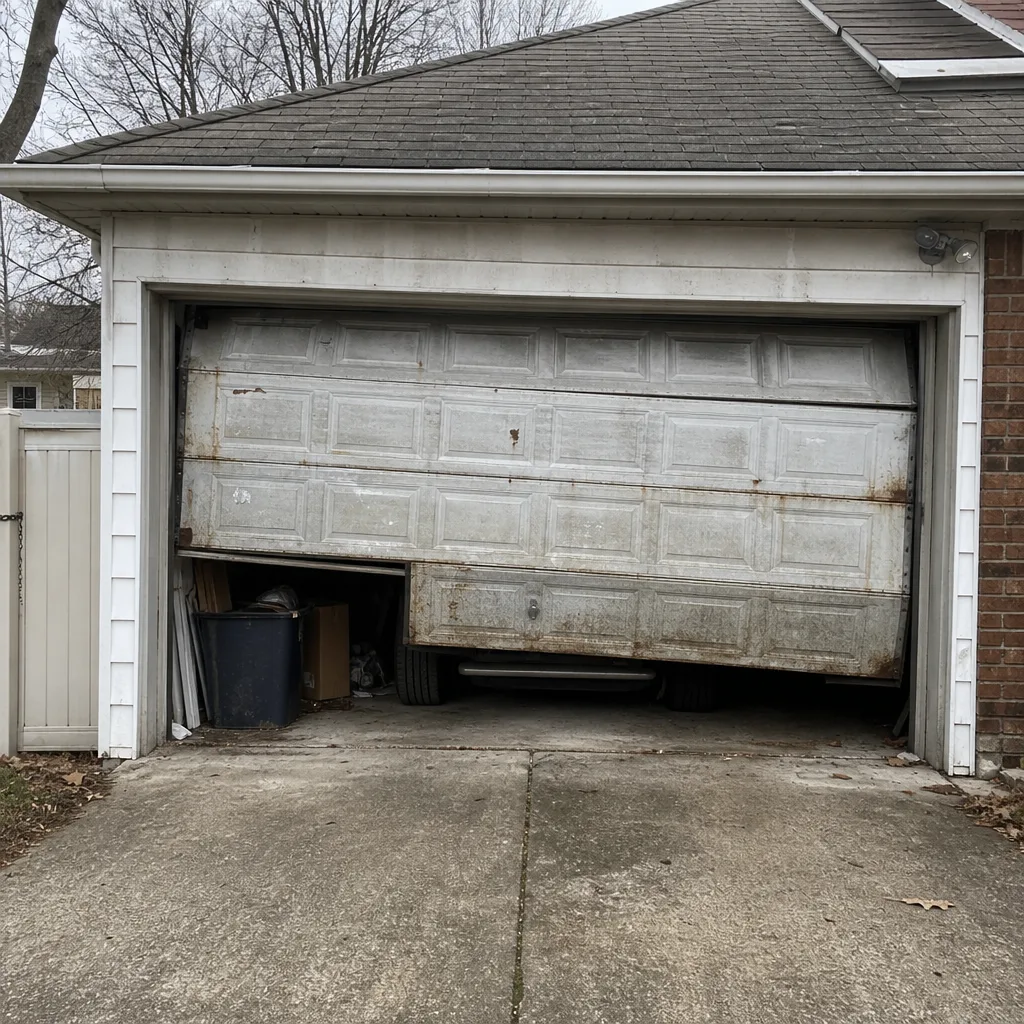 Before
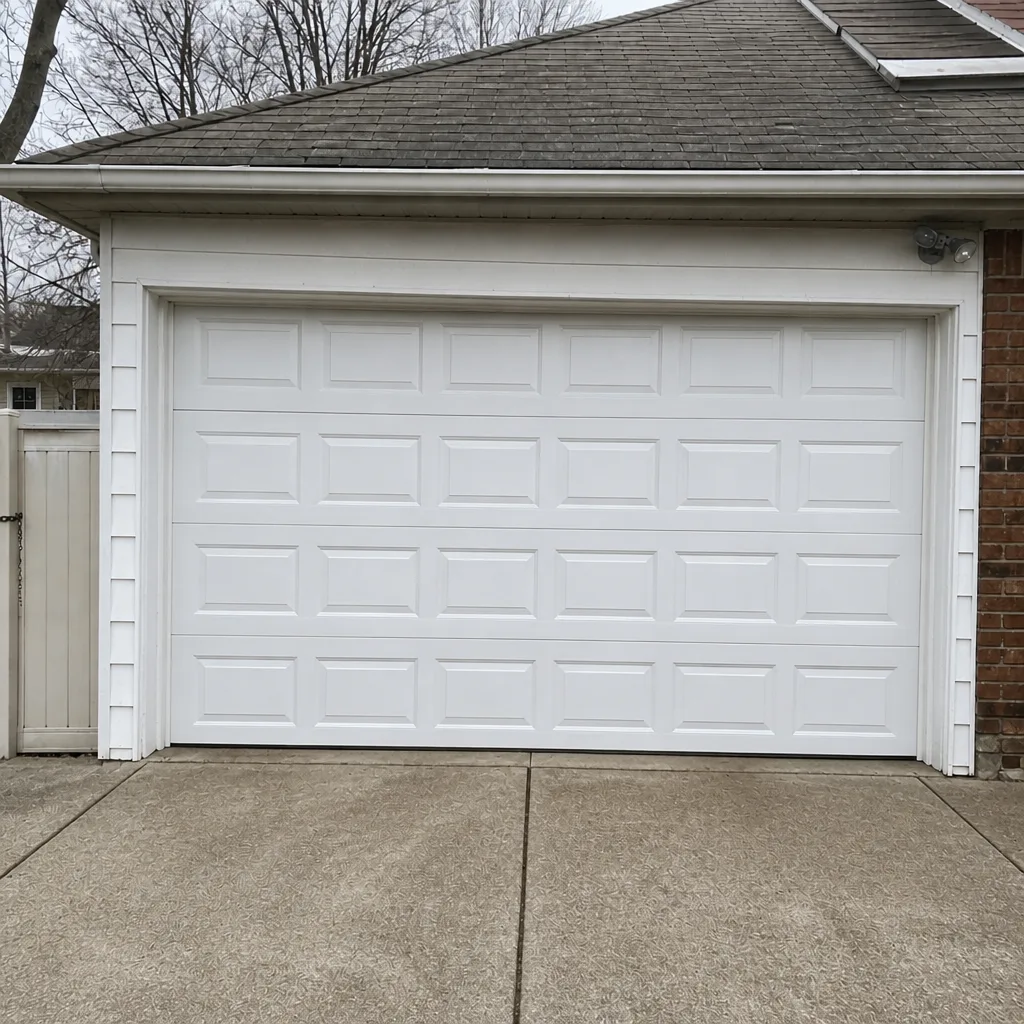 After
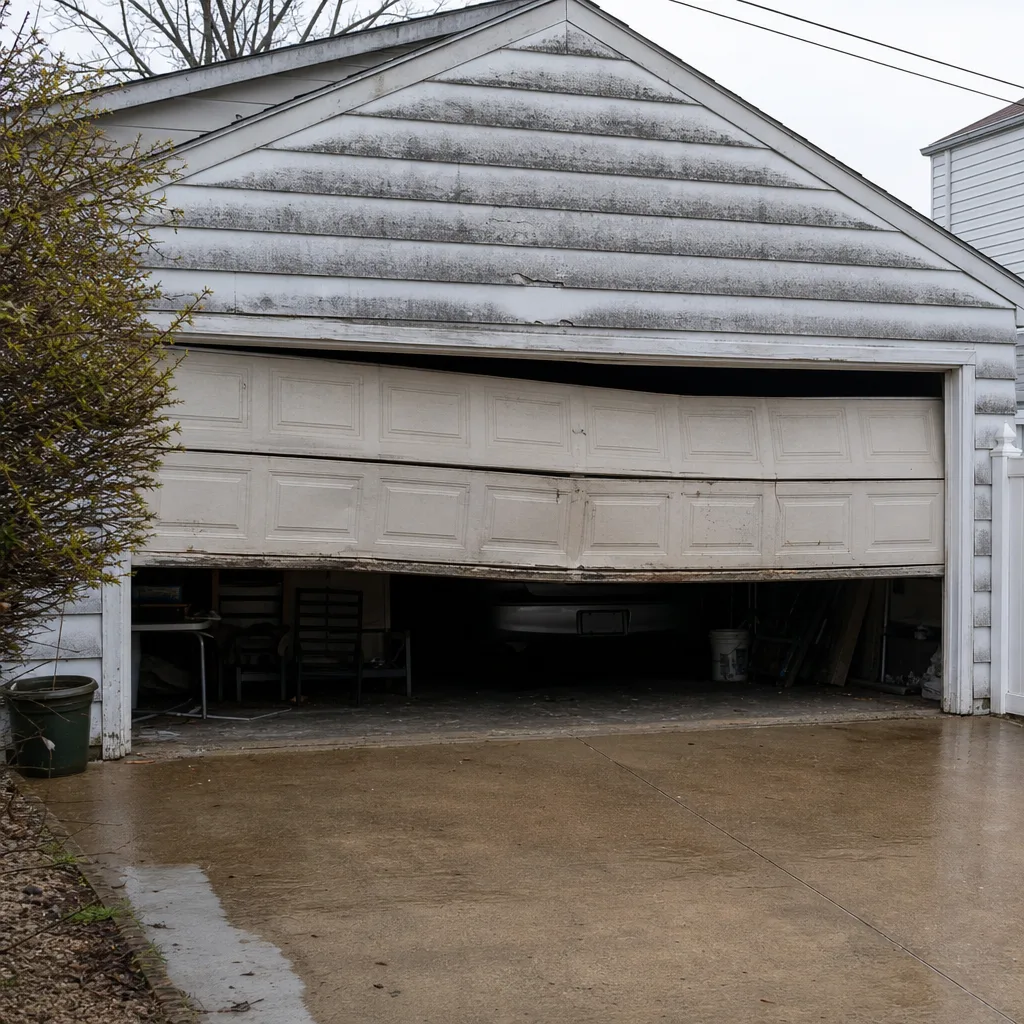 Before
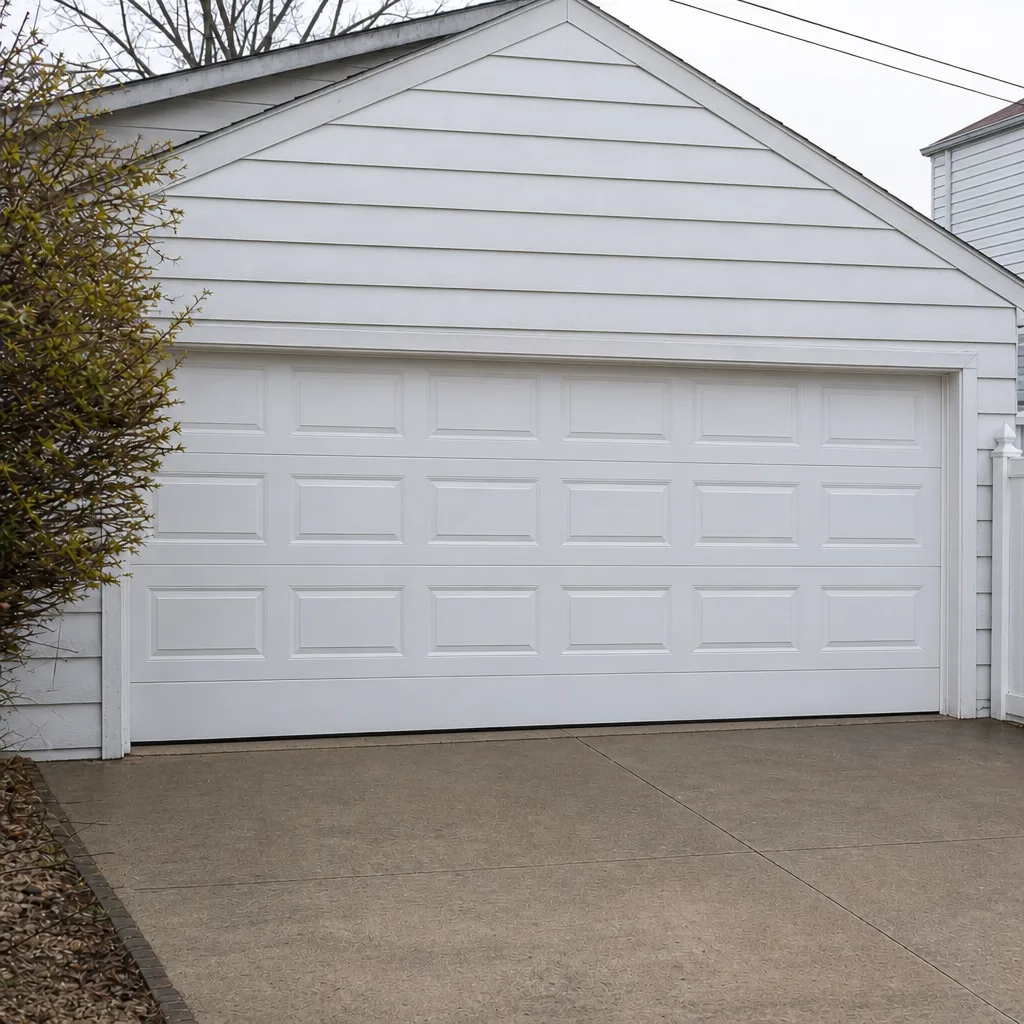 After
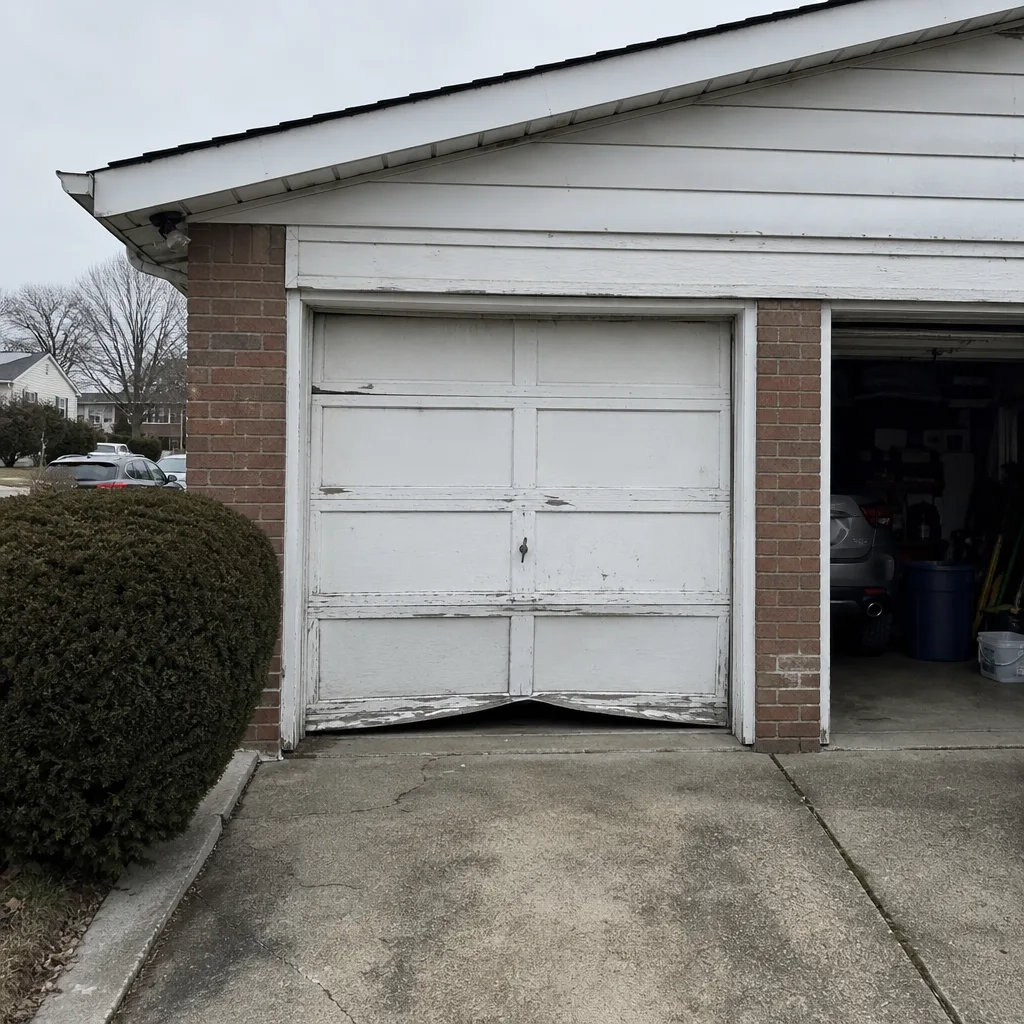 Before
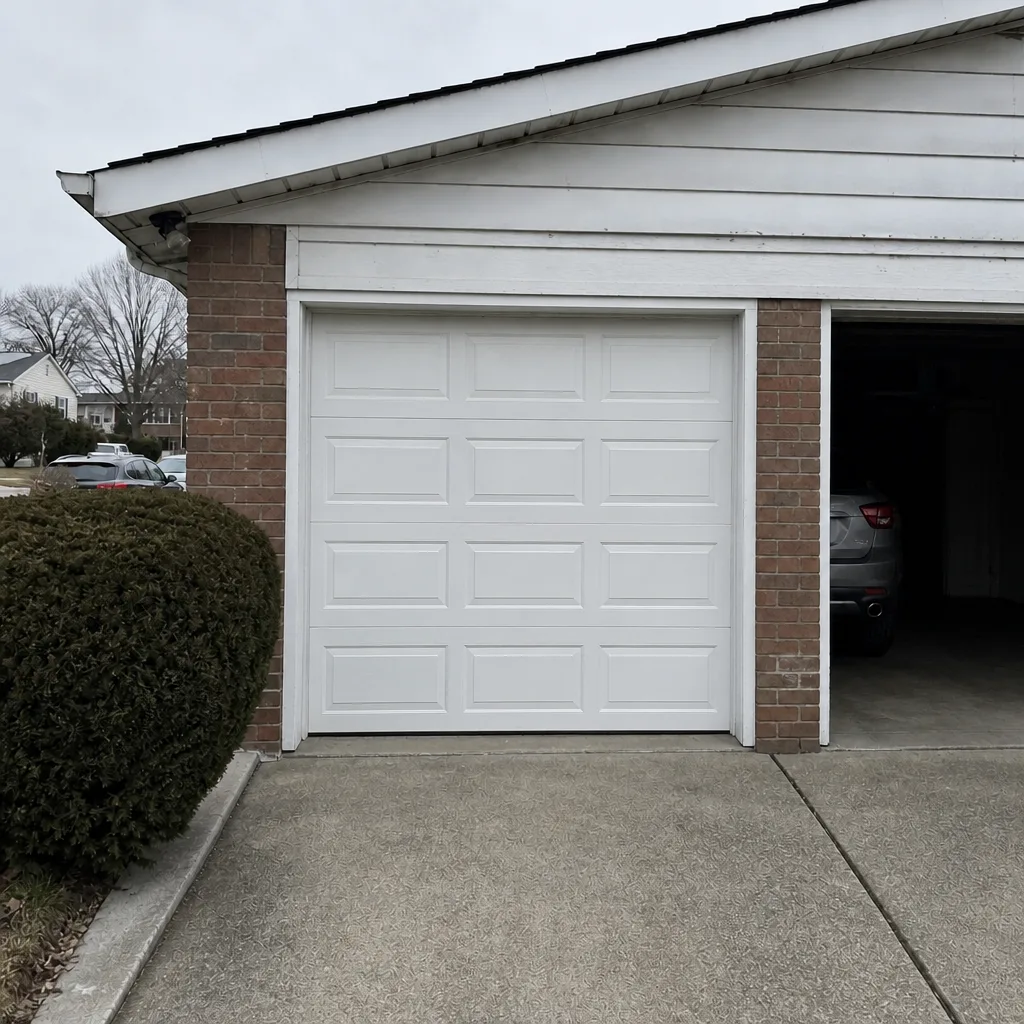 After
When to Call a Professional
Call a professional when the door is failing and you need a diagnosis, when you’re replacing the door and want the permit handled correctly, or when a spring has broken and the door is unsafe to operate. If your opener has stopped responding, if the door is off its tracks, if the panels are damaged, or if you’re planning a replacement in a village with a permit threshold you haven’t confirmed, we can help sort it out. Hempstead Garage Door Repair Pros offers free estimates in Hempstead – call (844) 443-3818. We work on your brand and quote the price in writing before any work starts, so you know what you’re agreeing to.
Frequently Asked Questions
In most cases, a same-size replacement of an existing door in the same opening is treated as like-for-like and often doesn’t require a full building permit, while changing the size, structure, or opening of the door usually does. The rule depends on whether your address is in the Town of Hempstead or an incorporated village, so confirm with your local building department before ordering a door. Call (844) 443-3818 for an exact quote and we can walk you through the scope for your property – estimates are free.
Yes, when the garage is attached to conditioned living space and the door is part of the building envelope, New York’s Energy Conservation Construction Code sets thermal expectations for the door. An insulated door with a documented R-value is what the code calls for, and the manufacturer’s spec sheet is the paperwork you present at inspection. We can recommend an insulated door from Clopay or Amarr for your opening, and the written estimate we give you states the price before work starts.
A like-for-like replacement is a new door that matches the old one in size, opening dimensions, and function, installed in the same location on the same structure. When those conditions hold, the job is often handled as a replacement of an existing component and exempt from full plan review under Nassau County building guidelines. Changing the door’s dimensions, type, or the number of doors breaks the like-for-like status and sends the job through the full permit path.
Unpermitted work often surfaces during a home sale, when the title search and the buyers’ attorney’s questions about property improvements come back to you. A permit that was pulled and never closed shows up as open, and work with no permit at all may require you to legalize it after the fact. Pulling the permit, keeping it closed, and saving the inspection record avoids the whole problem. If you’re planning a sale and want the door work done with the permit handled, call (844) 443-3818 for a free estimate.
You know a contractor pulls permits when you see the permit number in your name or theirs, issued by your municipality before work starts. Ask for the number, the copy, and confirmation from the building department that it’s open and matches the scope. If the permit was pulled from the wrong jurisdiction, or if the number never appears, the compliance risk sits with you. Call (844) 443-3818 and we’ll tell you up front whether your project needs a permit and who pulls it.
No, a spring replacement on an existing door typically doesn’t require a building permit, because it’s equipment service rather than a structural change. Spring work also isn’t part of the garage door inspection scope in most municipalities, which is why regular professional spring service matters for safety. Torsion springs under load are dangerous, so have both springs in a matched pair replaced together by a technician. Call (844) 443-3818 for a free estimate – the price is agreed in writing before we start.
The Bottom Line
Garage door permits in Hempstead are layered, and the layer that applies to you depends on your address and your scope. Confirm first whether you’re in the Town of Hempstead or an incorporated village, because the building department and the threshold are different. A like-for-like replacement of the same size door in the same opening is often the light path; anything that changes the structure or dimensions goes through full review. The energy code applies to insulated doors on attached garages regardless of the permit path. Pull the permit, keep it closed, and save the documentation – it costs little now and protects you at the sale. If you’d rather have it handled correctly from the start, Hempstead Garage Door Repair Pros offers free estimates in Hempstead – call (844) 443-3818 for a free estimate. Our technicians have up to 8 years of experience.
For a wider view of what we handle across the trade, see Hempstead Garage Door Repair Pros. To understand how the opener system fits alongside the door, read about garage door opener repair. For the door hardware itself, see garage door repair. And for the high-skill, safety-critical spring work that keeps the whole system safe, see garage door spring repair.
Written by the team at Hempstead Garage Door Repair Pros.