Last updated November 23, 2026
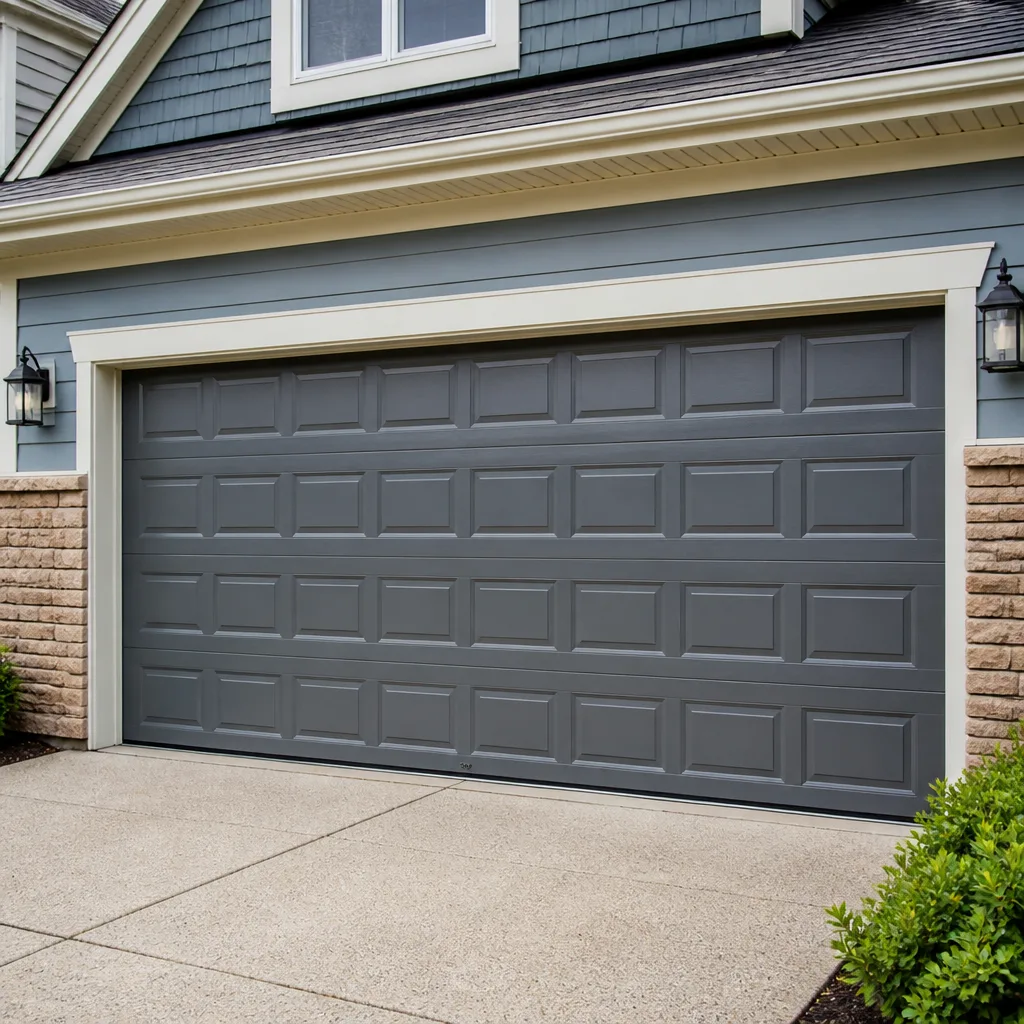 Raised-panel steel
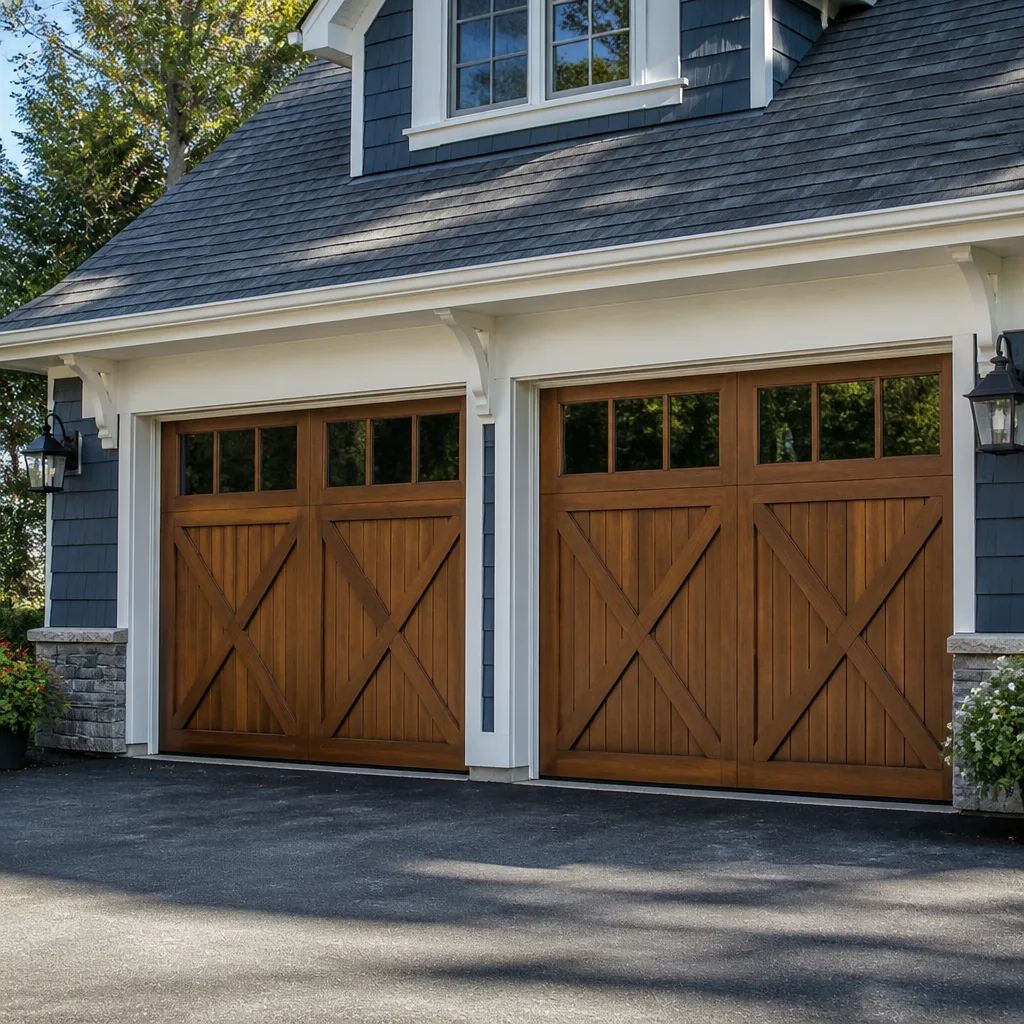 Carriage house
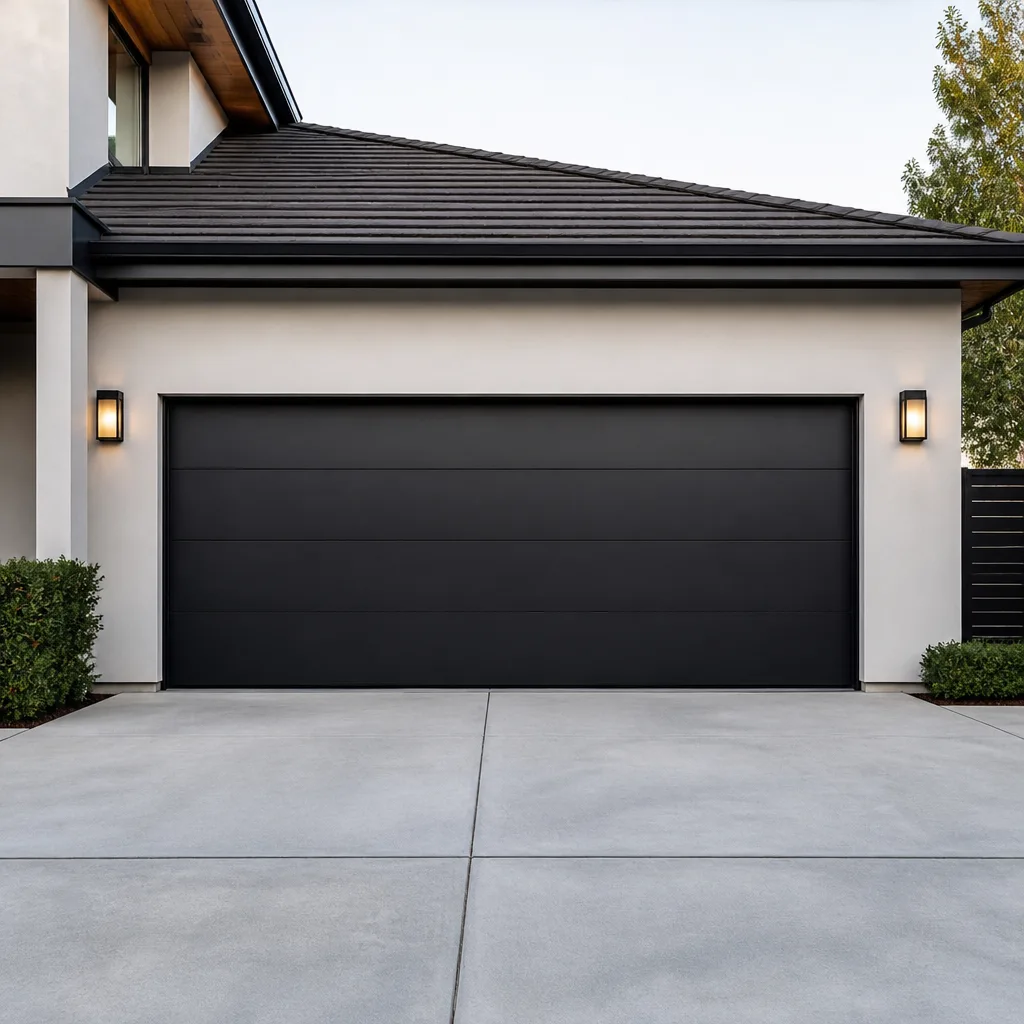 Modern flush
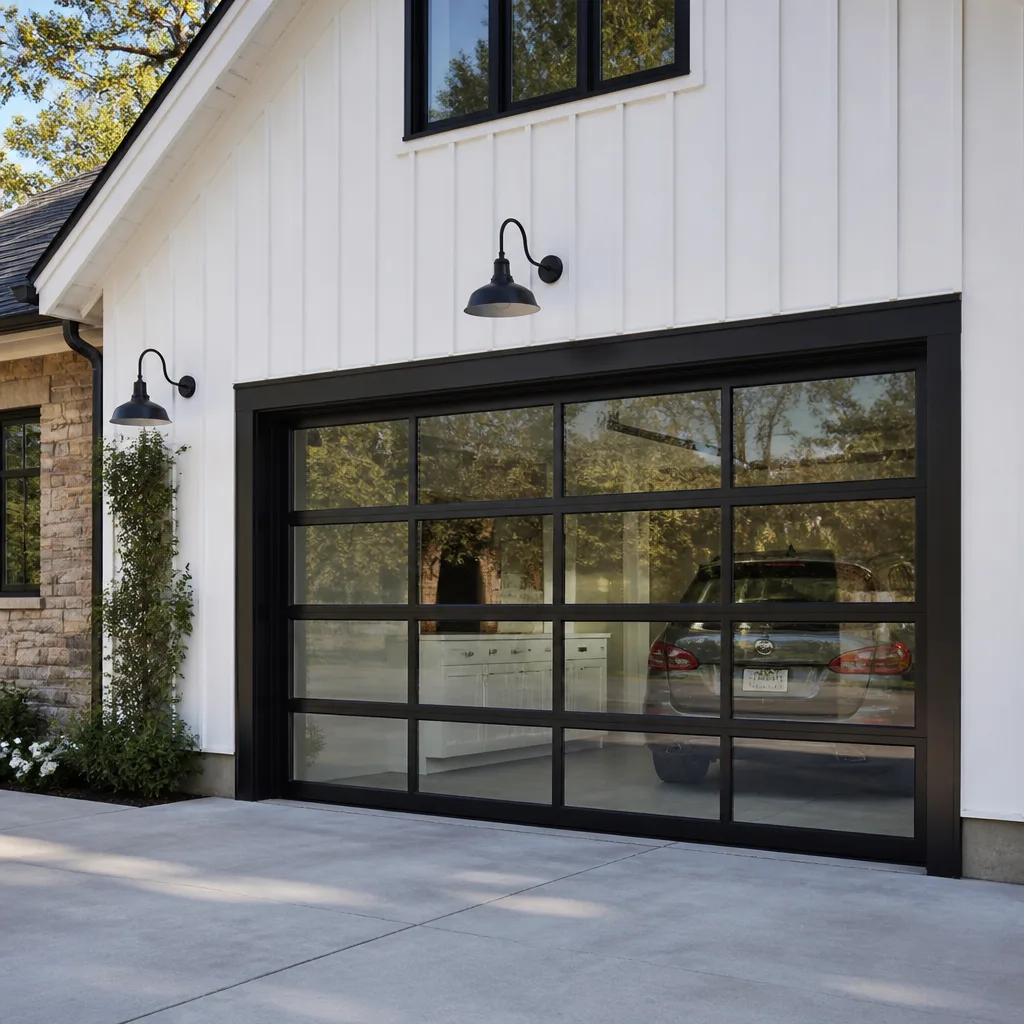 Full-view glass
 LiftMaster openers
 Chamberlain openers
Full 25-point door and opener safety check with every visit - springs, cables, rollers, tracks, and your LiftMaster or Chamberlain opener included
You get a price before we start. It does not change when the pro arrives.
Get your free estimateGarage Door Repair Maintenance Schedule: What to Do and When
The biggest myth in garage door care is that one annual tune-up covers you. It doesn’t, and the reason is the weather. In Hempstead, a door lives through a wet, humid summer and a cold winter that drops the mercury well below freezing, and each season attacks a different part of the system. The number-one reason doors bind and stall in January isn’t age or wear – it’s that nobody lubricated the springs and hinges before October cold turned the old grease stiff as putty. This guide lays out a month-by-month maintenance schedule built around Hempstead’s four real seasons, the right lubricants for each component, and a five-minute self-check that catches most failures early.
Quick Answer
A garage door in Hempstead needs a five-minute visual inspection every month, lubrication of springs, hinges, and rollers four times a year with a lithium- or silicone-based lubricant (never WD-40 on springs), a full hardware and weatherstripping audit each spring and fall, and a professional tune-up once a year. The seasonal timing matters more than the frequency: lubricate before the first hard freeze, inspect hardware after winter, and check seals before summer humidity and fall rain.
Styles & brands we work with
- Raised-panel steel
- Carriage house
- Modern flush
- Full-view glass
- LiftMaster openers
- Chamberlain openers
Table of Contents
- Why a Seasonal Schedule Beats One Annual Tune-Up in Hempstead
- The Five-Minute Monthly Self-Check (No Tools Needed)
- The Right Lubricant for Every Component (and the WD-40 Mistake)
- The Month-by-Month Maintenance Calendar
- Tracking Spring Cycle Life So You Replace on Schedule, Not After a Snap
- What a Professional Annual Tune-Up Should Actually Include
- Common Mistakes to Avoid
- Frequently Asked Questions
Why a Seasonal Schedule Beats One Annual Tune-Up in Hempstead
A single yearly service call treats every part of the door the same, but the parts don’t fail the same way. On Long Island, a garage door is a metal and rubber assembly sitting in an unheated space that swings from humid summer heat to hard winter cold. Metal expands in July and contracts in January. Rubber seals bake in August and stiffen in December. Grease that flows freely at 80°F turns tacky and thick below 40°F. That swing is what a seasonal schedule is built to manage.
Here’s how the seasons stack up for a door in Hempstead:
- Winter (December through February): Cold stiffens lubricant, contracts metal, and puts stress on springs that are already near the end of their cycle life. Doors that struggled all fall often fail outright on the coldest mornings.
- Spring (March through May): Freeze-thaw cycles work screws and bolts loose, and the hardware that held tight in winter may now be rattling. This is the season for a full tighten-and-inspect pass.
- Summer (June through August): Humidity swells wood door panels and softens rubber, and heat makes opener motors work harder. Seals crack, and tracks can shift as the ground and framing move.
- Fall (September through November): Leaves and grit collect in tracks, and dropping temperatures are your last warning before the cold sets in. Fall is when the pre-winter lubrication matters most.
When the schedule follows these shifts, the door stops surprising you. When it doesn’t, you get the January morning call – and usually a spring that snapped when it was least convenient. If your door has already stopped working, our garage door repair team can take a look and tell you what failed and why.
The Five-Minute Monthly Self-Check (No Tools Needed)
You don’t need a toolbox to catch most problems early. Once a month, walk out to the door and run through this quick check. It takes less time than brewing coffee, and in our experience it catches the large majority of issues before they turn into stuck doors, snapped cables, or a dead opener.
- Listen. Open and close the door and just listen. A well-running door is quiet – a hum from the opener and a soft roll. Grinding, squealing, or a rhythmic thump means something needs attention.
- Watch the balance. Disconnect the opener (most have a pull cord) and lift the door halfway by hand. It should stay put. If it drifts down on its own or feels very heavy, the spring tension is off.
- Look at the springs. With the door closed, look at the springs above the door. A torsion spring with a visible gap in the coil, or an extension spring that’s stretched out, is a sign it’s near failure. Don’t touch – just note it.
- Check the tracks by eye. Look for dents, bends, or debris – leaves, grit, small toys. Tracks should be straight and clear.
- Scan the rollers and hinges. Look for cracks in the nylon or metal rollers, or loose hinge screws. Wobble means wear.
- Test the safety reverse. Put a roll of paper towels or a block of wood on the ground under the door and close it. It should reverse on contact. This is a safety feature, not a convenience – test it monthly.
- Feel the weatherstripping. Run a hand along the bottom seal. It should be soft and make contact all the way across. Hard, cracked, or gapping seals let in cold, water, and pests.
This check is the backbone of the whole schedule. Everything else in this guide supports it.
The Right Lubricant for Every Component (and the WD-40 Mistake)
Lubrication is the single most important thing a homeowner can do, and it’s also where the most damage gets done. Spraying the wrong product on the wrong part is worse than doing nothing. The most common mistake we see: WD-40 on the springs. WD-40 is a solvent and light penetrating oil, not a long-term lubricant. It strips the existing grease, evaporates, and leaves the springs dry. Dry springs bind, corrode, and cycle harder – and by the time the cold hits, they’re more likely to fail.
Here’s the right product for each part:
- Torsion and extension springs: A lithium- or silicone-based grease, or a dedicated garage door spring lubricant. This goes on sparingly, worked into the coils.
- Hinges and pivot points: A silicone spray or lithium grease. A few drops at each hinge, then wipe off the excess.
- Rollers: Silicone spray on metal rollers. Nylon rollers usually need no lubricant – check your manufacturer’s guidance.
- Track: No grease. Clean tracks with a damp cloth only; grease attracts grit and turns the track into a grinding paste.
- Opener chain or screw drive: The lubricant your opener manufacturer specifies. Many LiftMaster and Chamberlain chain drives need a specific low-temperature grease for cold weather. Genie screw drives often need a different product. This is exactly the brand-specific detail we deal with on garage door opener repair calls.
Spring, hinge, and pivot lubrication should happen four times a year, with the most important pass in October before the cold sets in. Your hardware is what makes the garage door spring repair work last, so treat the grease as routine, not optional.
The Month-by-Month Maintenance Calendar
This is the schedule built for Hempstead’s climate. Adjust the exact dates slightly to the weather, but keep the order. It’s the order that does the work.
January and February: Cold-weather watch. Run the five-minute self-check twice this month. Watch for stiff operation and listen for the opener straining. Don’t add heavy grease in these months – use a light cold-rated lubricant only if the door is binding. If the door fails in a cold snap, an emergency call is often the right move because a broken spring leaves the door stuck and the house unsecured.
March and April: Post-winter hardware inspection. This is the big one after a cold winter. Walk the whole door and tighten every hinge screw, check the roller brackets, look at the bracket hardware, and inspect the cables for fraying. Look at the tracks for winter damage. This is also when to check the balance and call in a pro if the door feels heavy or unbalanced.
May and June: Pre-summer seal check. Inspect the bottom weatherseal and the side and top seals before the humid summer. Rubber that’s stiffened over winter can crack as it warms. Clean and lubricate hinges and rollers with silicone spray to prep for summer humidity, which can cause metal parts to sweat and corrode.
July and August: Humidity and heat checks. Wood doors can swell in the humidity, and rubber seals can soften and tear. Check the seals again and watch the opener motor for signs of strain in the heat. Look for rust forming on any exposed hardware.
September and October: Pre-winter lubrication and weatherstripping audit. This is the most important pass of the year. Lubricate springs, hinges, rollers, and pivot points with a proper cold-rated product. Replace any weathered or cracked seals. Tighten hardware loosened over summer. Look at the springs for any visible wear, because cold-weather failures are often pre-existing weaknesses. This is when you want a professional spring inspection in Hempstead if anything looks off.
November and December: Final prep and first-freeze watch. Do one last self-check, confirm the door operates smoothly as temperatures drop, and test the safety reverse. Have a professional tune-up scheduled for the end of fall so any worn parts are caught before winter.
Tracking Spring Cycle Life So You Replace on Schedule, Not After a Snap
Springs are the heart of a garage door – and the part most likely to fail on a cold morning. A standard torsion spring is rated for a set number of open-and-close cycles, typically around 10,000 cycles for a standard spring. That’s roughly seven years of use for a door opened four times a day. Because you can’t count cycles by eye, the practical answer is to plan for replacement on a reasonable interval and watch for warning signs.
Here’s how to think about spring life:
- Count your daily opens. A busy household opens and closes the door more often than they realize. Four opens a day is typical; more if the garage is the main entry point.
- Know your spring type. Torsion springs mounted above the door on a shaft and extension springs running along the sides fail in different ways. Torsion springs tend to give a visible gap when they break; extension springs can snap and retract with a force that’s dangerous.
- Watch for the warning signs. A door that feels heavier, moves unevenly, or operates louder than usual may have a spring losing tension.
- Replace both springs together. If one torsion spring breaks, the other is usually close behind. Replacing one at a time means a second failure is likely soon.
Important: do not attempt to replace or adjust a torsion spring yourself. The spring is under extreme tension, and releasing it wrong can cause serious injury. This is one of the few jobs that genuinely requires a trained professional. That’s why we treat spring repair as a dedicated service – and why our technicians understand the difference between an Amarr door’s spring setup and a Wayne Dalton system. If your door is showing spring warning signs, call a pro before it fails. Call (844) 443-3818 for a free estimate.
What a Professional Annual Tune-Up Should Actually Include
An annual professional tune-up is worth the time if it’s done right. The problem is that some technicians do a quick spray-and-go and call it a tune-up. Here’s what a proper tune-up should include, so you can tell whether the technician did the work:
- Balance test. Disconnect the opener and lift the door by hand to confirm it stays put at halfway. Adjust spring tension if needed.
- Full hardware tighten. Every hinge, bracket, and roller attachment checked and tightened.
- Lubrication with the right products. Springs greased with the proper product, hinges and rollers lubricated, tracks cleaned – not greased.
- Spring inspection. Both spring types inspected for wear, tension, and visible damage.
- Cable inspection. Cables checked for fraying, kinks, or loose ends. Cables are another high-tension part that should always be handled by a pro.
- Roller and track inspection. Worn rollers replaced if needed; tracks checked for alignment and straightened if bent.
- Weatherseal check. Bottom, side, and top seals inspected and replaced if worn.
- Opener test and adjustment. Opener force and travel limits adjusted, safety reverse tested, and remote or smart controls checked. For LiftMaster, Chamberlain, Genie, or Craftsman openers, the technician should know the model’s specific adjustment points.
We’re factory-familiar with eight major brands – LiftMaster, Chamberlain, Genie, Clopay, Amarr, Wayne Dalton, Craftsman, and Raynor – which means the technician already knows your door’s setup before touching it. Our technicians have up to 8 years of experience. A good tune-up catches small problems before they become failures.
Common Mistakes to Avoid
- Spraying WD-40 on the springs. WD-40 strips existing grease and evaporates, leaving springs dry and prone to failure. Use a proper lithium or silicone grease.
- Lubricating the tracks. Grease on the track attracts grit and creates a grinding paste. Clean tracks only.
- Waiting for the annual tune-up to catch everything. A once-a-year visit can’t catch a problem that develops in June. The monthly self-check is what keeps small issues from becoming failures.
- Skipping the pre-winter lubrication in October. This is the most important pass of the year in Hempstead’s climate. Old grease turns stiff in the cold – fresh cold-rated lubricant prevents the January binding failure.
- Replacing one spring when the other is worn. Springs wear at the same rate. Replacing one at a time means a second failure is likely soon.
- Ignoring the bottom weatherseal. A hardened, cracked seal lets in cold, water, and pests. Replace it before winter, not during a cold snap.
- Assuming a technician who works on doors knows your brand. Brand-specific knowledge matters – a technician familiar with Raynor and Craftsman equipment will diagnose opener adjustments differently than a generalist.
When to Call a Professional
Some maintenance you can handle yourself: the monthly self-check, replacing a weatherseal, and cleaning the tracks. But some situations call for a trained technician. Call a professional if your door won’t open or close, if you hear a loud snap or bang (a sign of a broken spring), if the door is visibly unbalanced or feels very heavy, if a cable is frayed or loose, if the opener reverses or stops unexpectedly, or if any spring shows visible wear or a gap. These are safety-critical issues. Hempstead Garage Door Repair Pros offers free estimates in Hempstead – call (844) 443-3818. We’re brand-familiar with Amarr, Wayne Dalton, Craftsman, and Raynor equipment, among others.
Frequently Asked Questions
A garage door in Hempstead should be serviced professionally once a year, with a five-minute self-check monthly and lubrication four times a year, including an important pre-winter pass in October.
Yes, you can safely apply lubricant to the springs – but never attempt to adjust, release, or replace a torsion spring yourself. The spring is under extreme tension and can cause serious injury. If a spring looks worn or broken, call a professional.
Use a lithium- or silicone-based grease, or a dedicated garage door spring lubricant. Never use WD-40 on springs – it strips grease and leaves the metal dry. A garage door professional in Hempstead will use the right product for your spring type.
Cold weather stiffens grease, contracts metal parts, and puts stress on springs already near the end of their life. A door that was fine all summer can bind or fail on the coldest morning if it wasn’t lubricated before the cold set in.
Watch for a door that feels heavier than usual, operates louder, or moves unevenly. A visible gap in a torsion spring or a stretched extension spring is a warning sign. Don’t wait for it to snap – call a pro for an inspection.
Yes. Hempstead’s four distinct seasons create specific stress: humid summers that soften seals and swell wood, freezing winters that stiffen lubricant, and spring thaw that loosens hardware. The schedule here is built around those shifts, not a generic annual tune-up.
The Bottom Line
The right schedule is the one built around Hempstead’s real weather. Do the five-minute self-check every month, lubricate springs, hinges, and rollers four times a year with the right products – never WD-40 on springs – and get a professional tune-up once a year. The October lubrication pass is the most important of the year: it’s what keeps a Hempstead door from failing in the January cold. If your door is showing warning signs, or you want a real professional tune-up that doesn’t skip steps, we can help. We’re the multi-brand specialist for repair, opener, spring, and installation work.
Call Hempstead Garage Door Repair Pros today at (844) 443-3818 for a free estimate. Estimates are free, and the price is quoted and agreed before any work starts.
Written by the team at Hempstead Garage Door Repair Pros.
See the difference
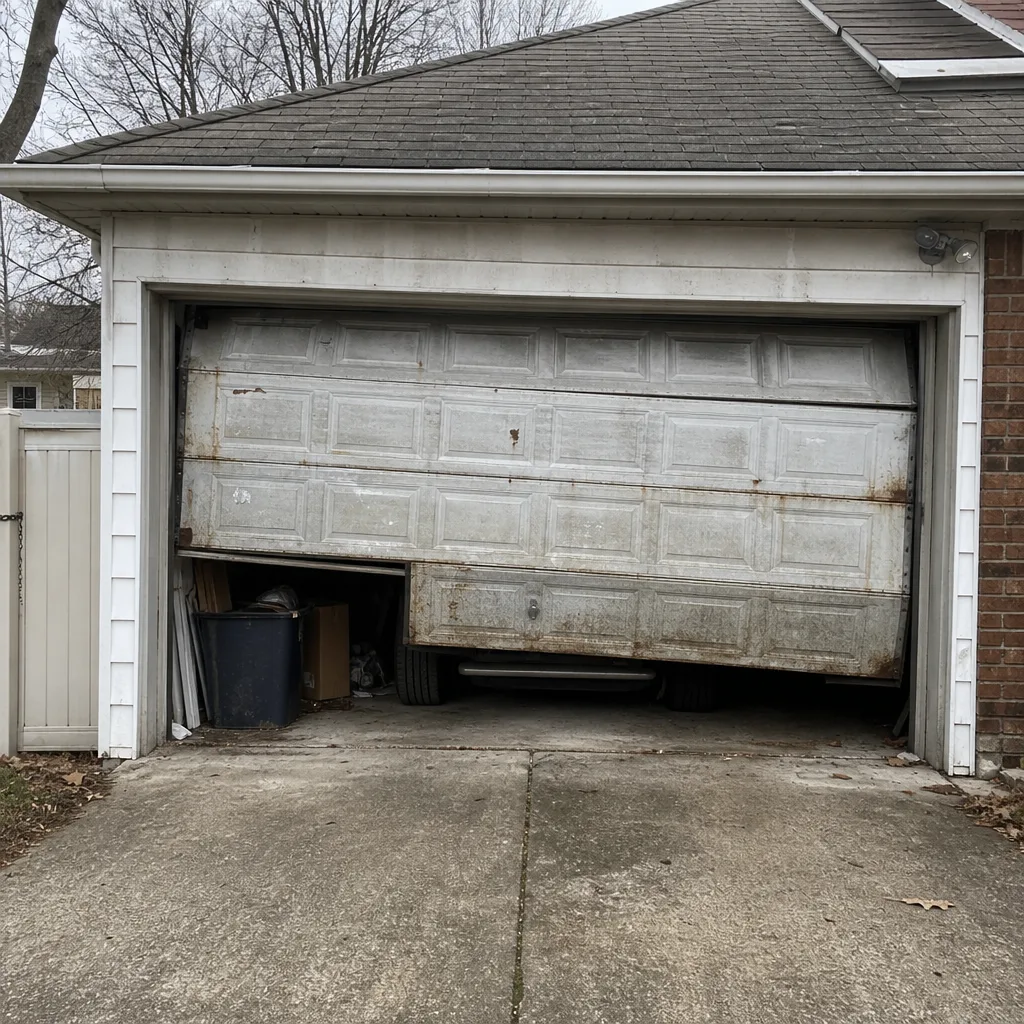 Before
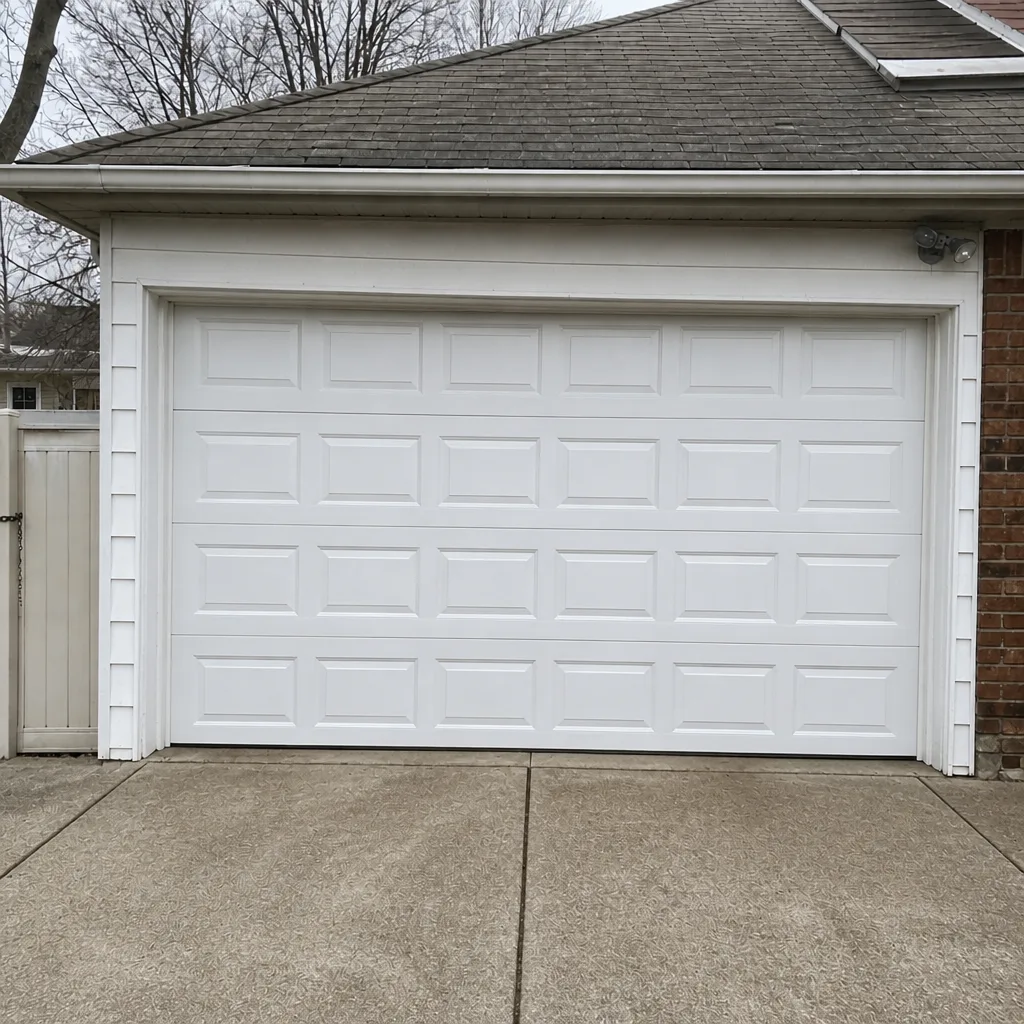 After
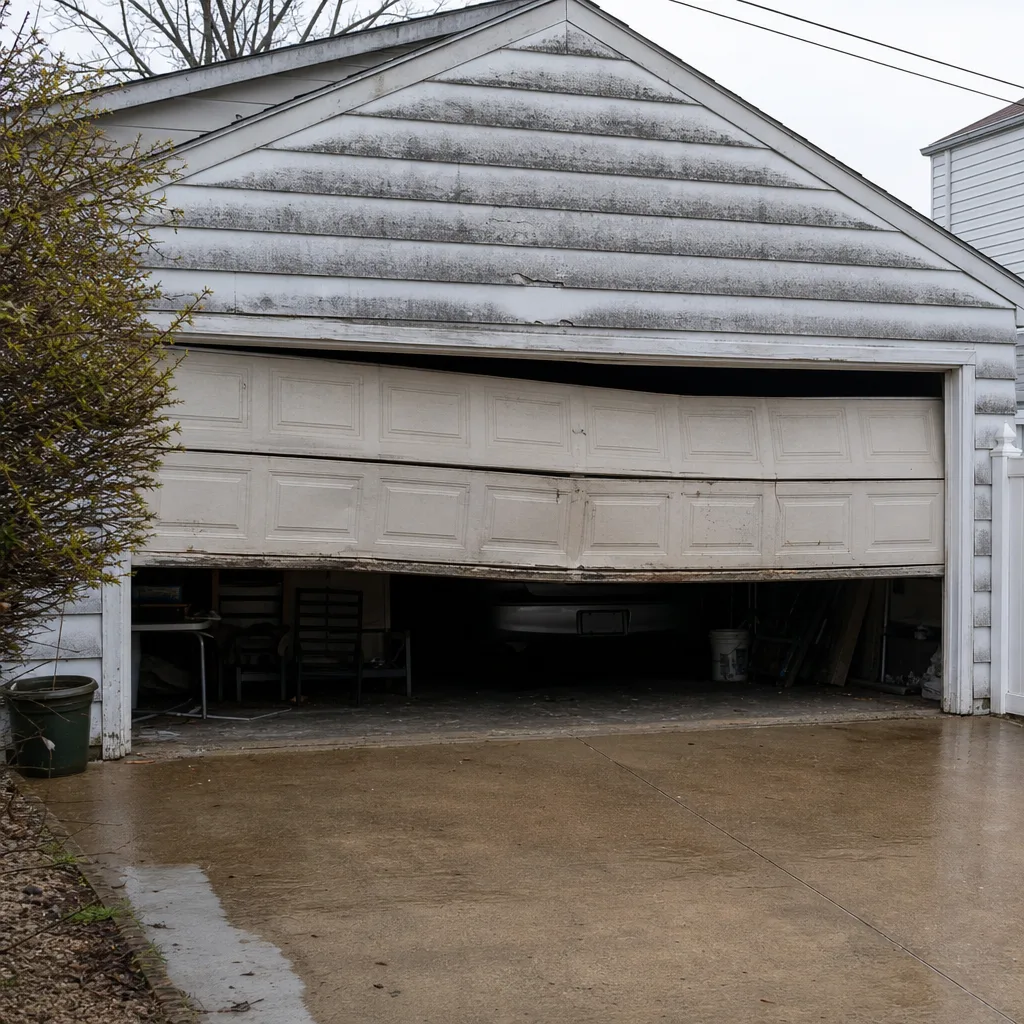 Before
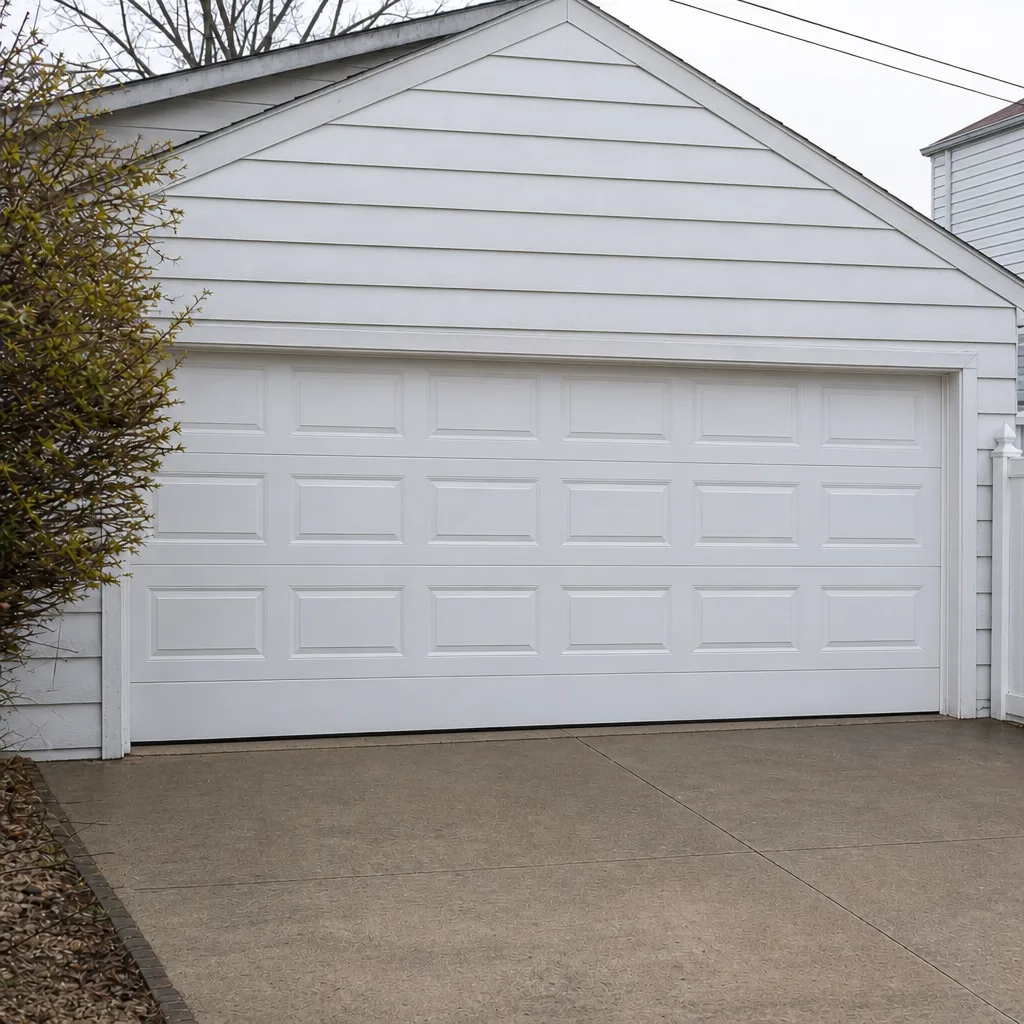 After
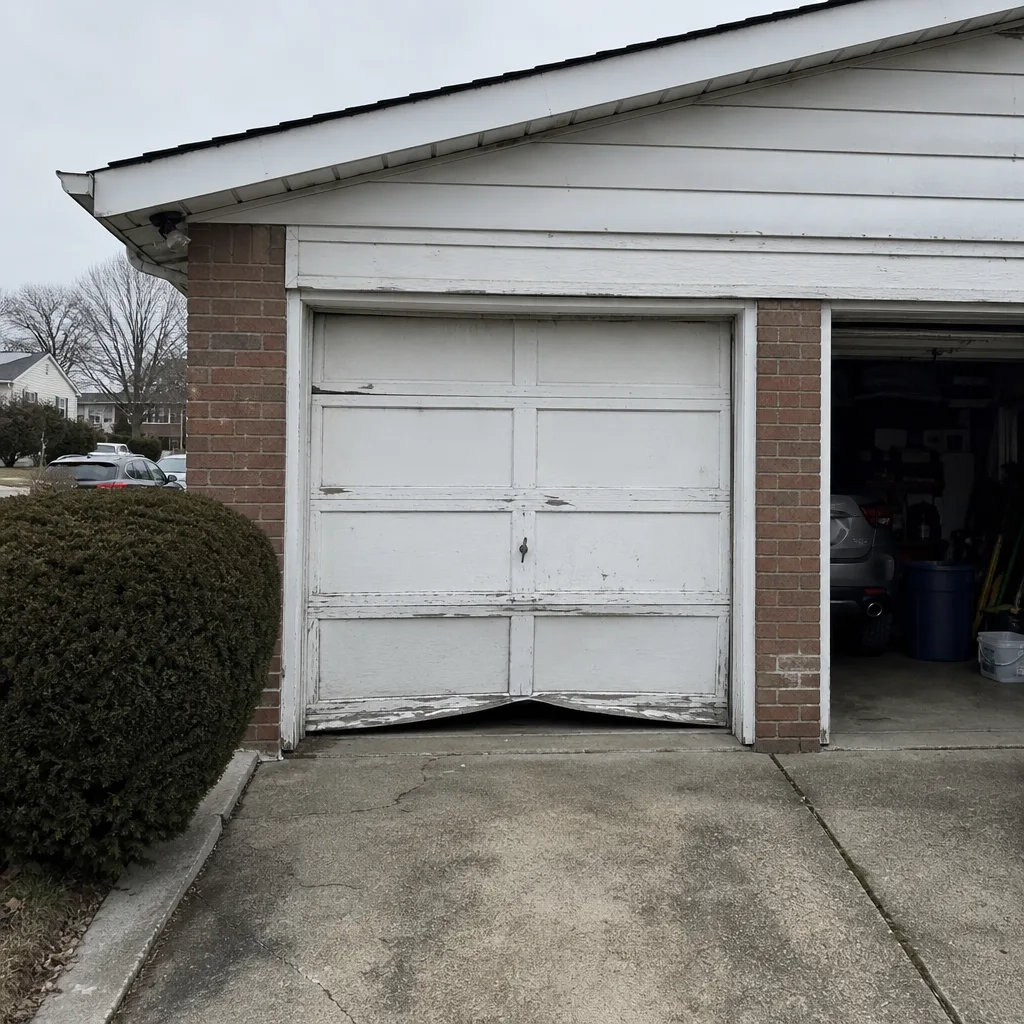 Before
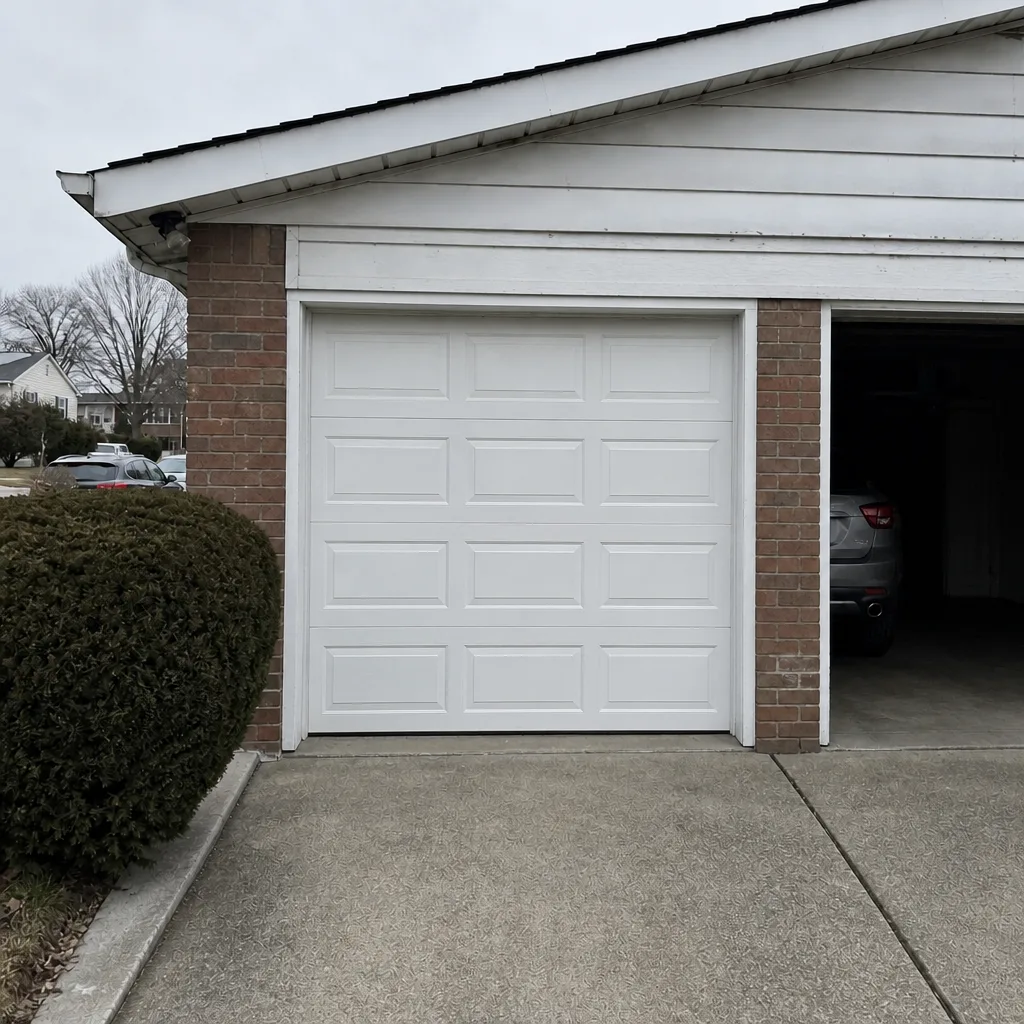 After