Last updated November 23, 2026
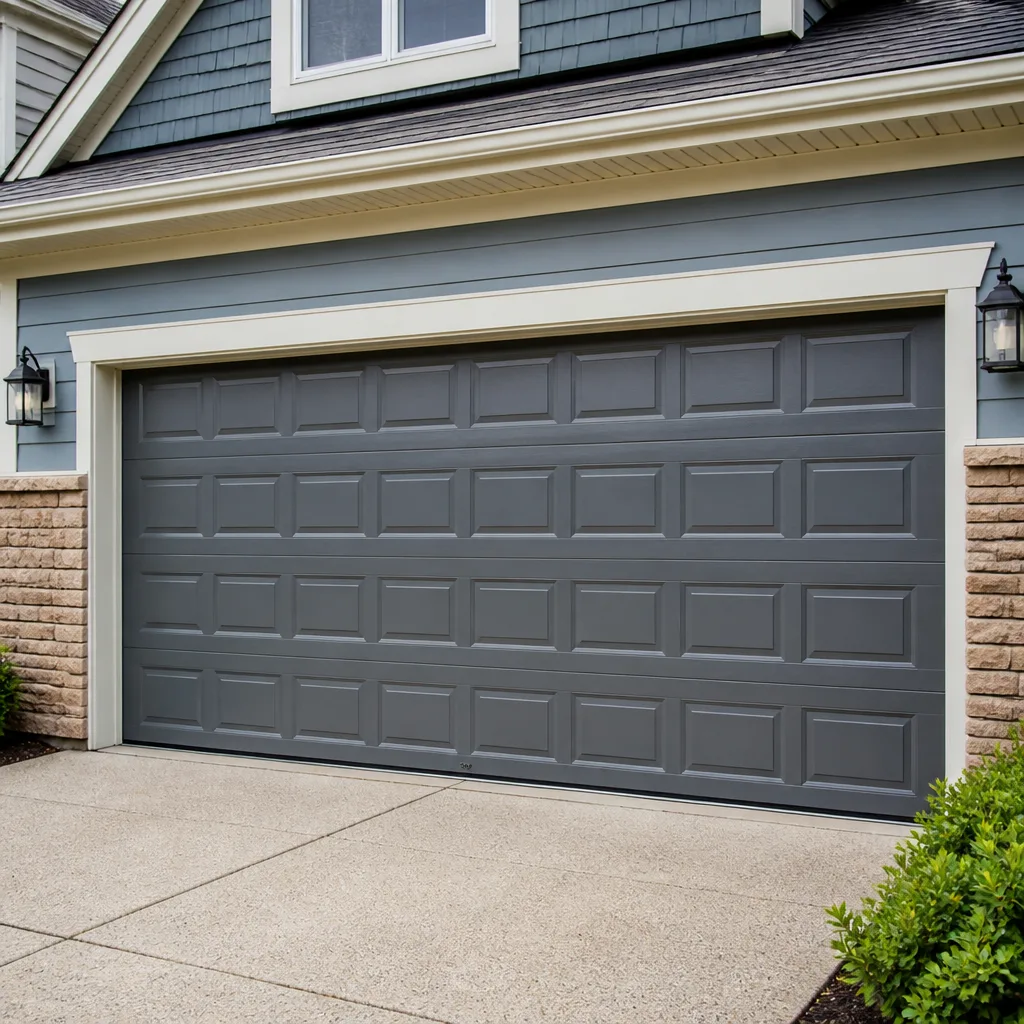 Raised-panel steel
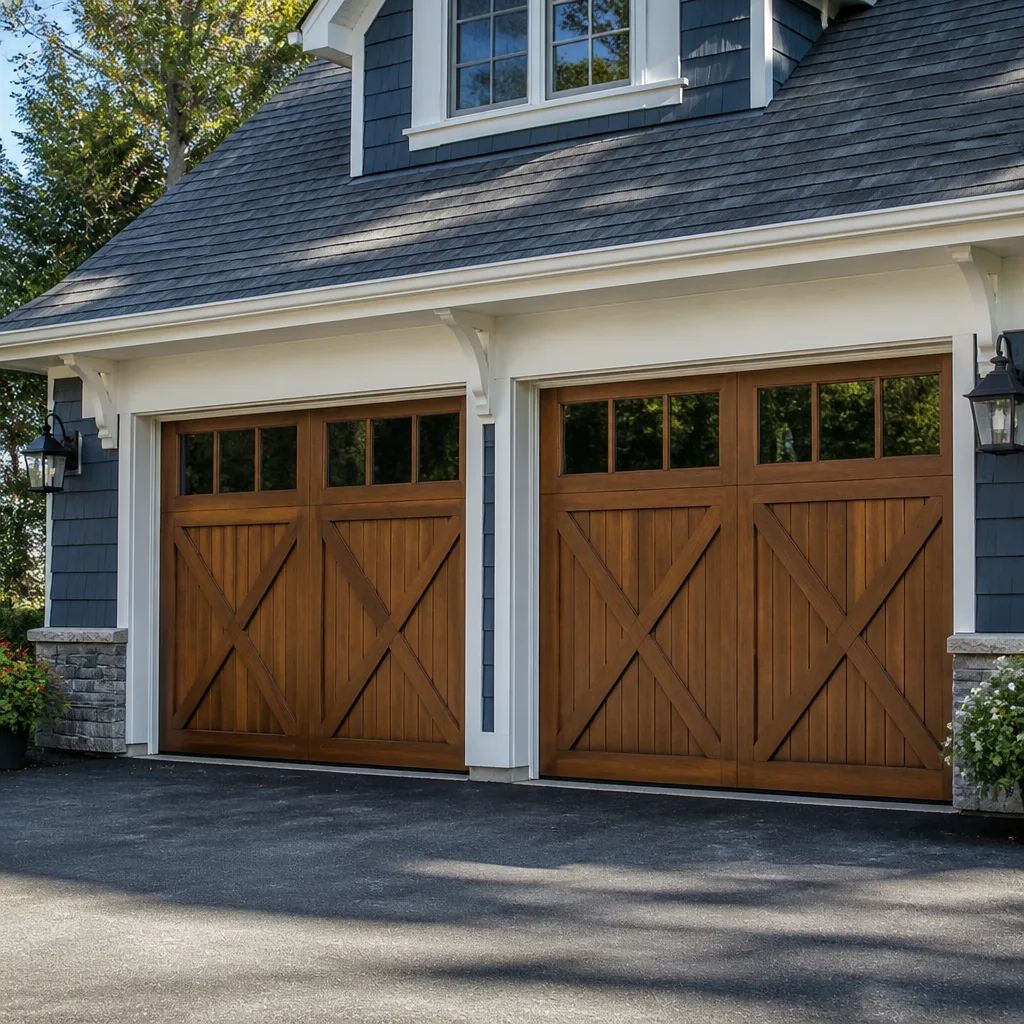 Carriage house
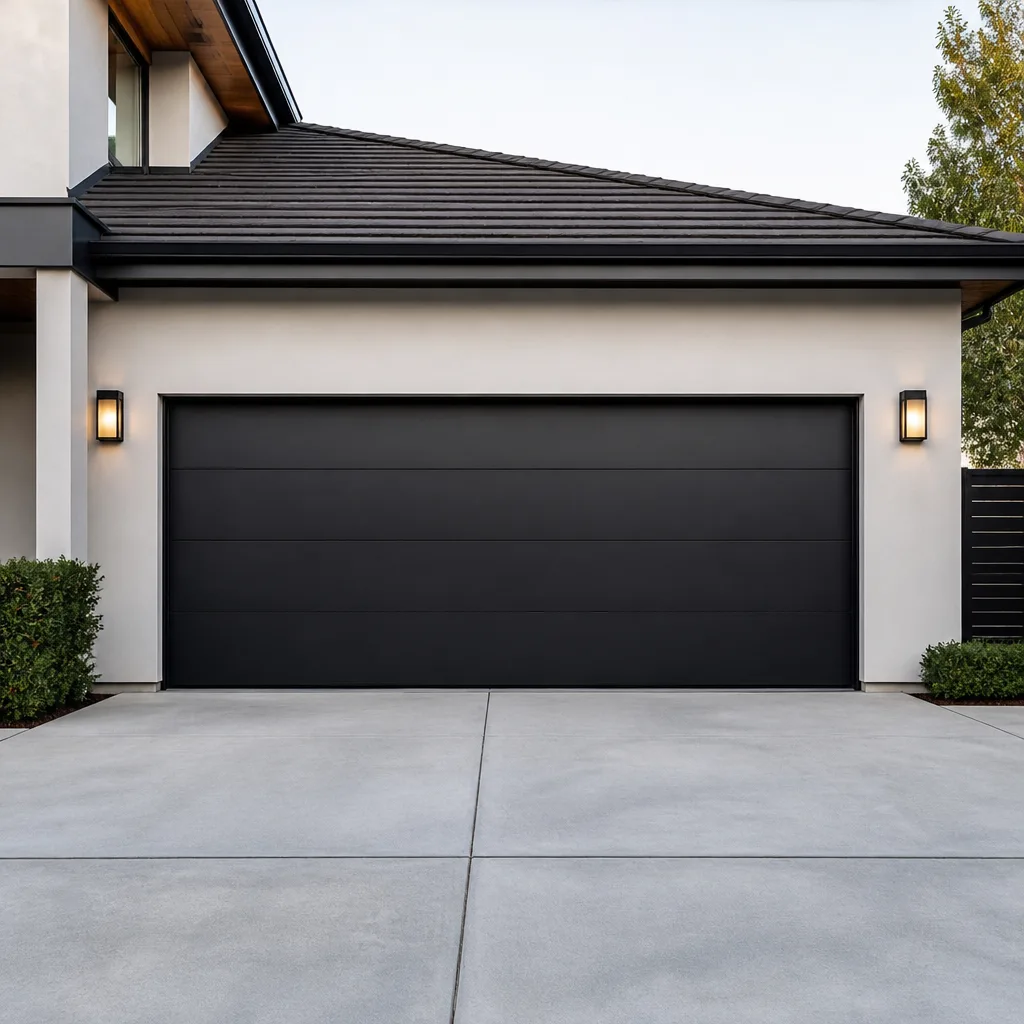 Modern flush
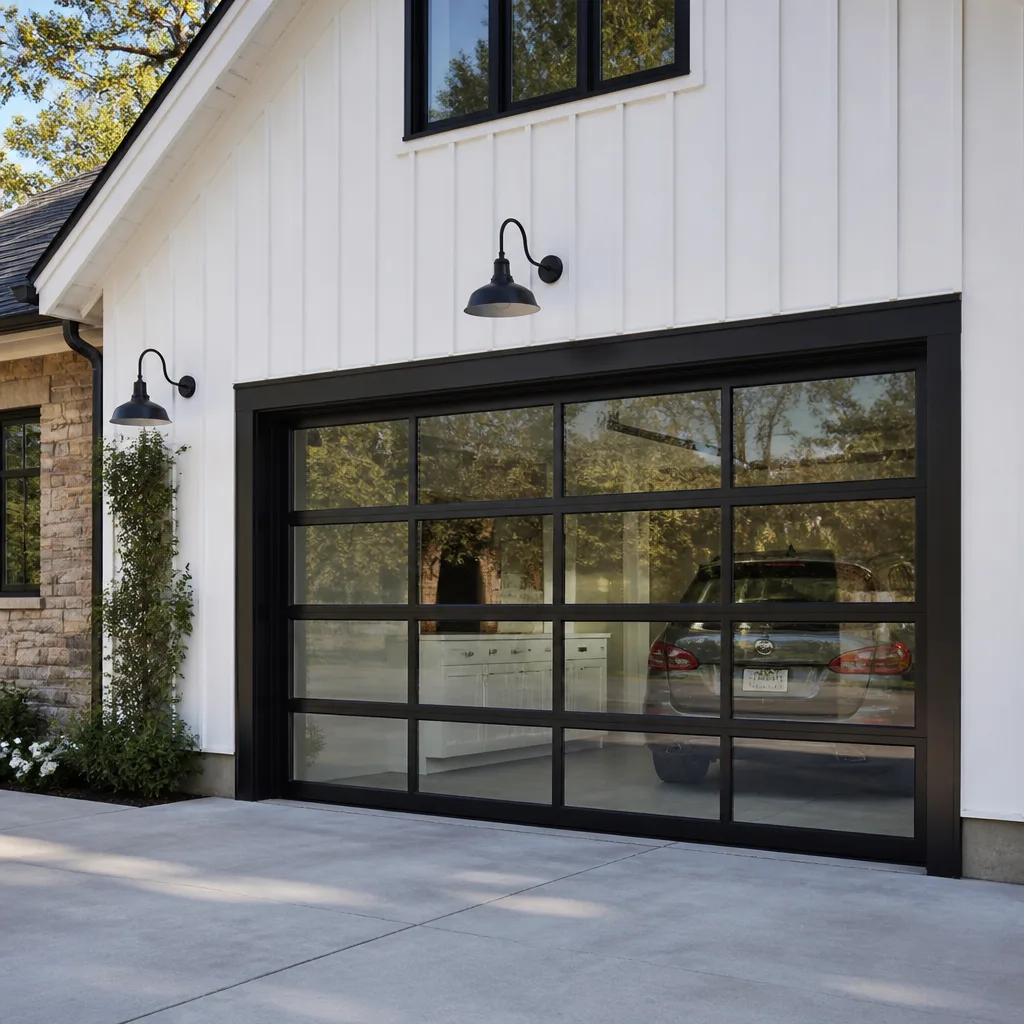 Full-view glass
 LiftMaster openers
 Chamberlain openers
Full 25-point door and opener safety check with every visit - springs, cables, rollers, tracks, and your LiftMaster or Chamberlain opener included
You get a price before we start. It does not change when the pro arrives.
Get your free estimateDIY vs Professional Garage Door: The Hempstead Homeowner’s Decision Guide
Most homeowners asking this question are already handy. They’ve swapped out outlets, patched drywall, maybe even replaced a water heater. So the honest framing isn’t “can you handle a garage door?” It’s narrower than that. Some garage door tasks reward a DIY approach and cost you nothing but an afternoon. Others carry a failure mode that a confident hobbyist can’t outrun with confidence alone. Torsion springs sit in that second category, and the reason has everything to do with stored energy and nothing to do with skill. This guide breaks the work down task by task, explains the insurance and parts-sourcing realities specific to Hempstead, and shows you how to run the real math on doing it yourself.
Quick Answer
You can safely handle balance testing, lubrication, visual inspections, and most light hardware adjustments on your own. Spring replacement, cable work, and opener electrical repair have consequences that don’t care how capable you are, and should go to a trained technician. In Hempstead, spring repair and full replacement are also where a licensed professional earns their cost back on parts and safety. Call (844) 443-3818 for a free estimate if you’re unsure where your specific job falls.
Styles & brands we work with
- Raised-panel steel
- Carriage house
- Modern flush
- Full-view glass
- LiftMaster openers
- Chamberlain openers
Table of Contents
- Why Spring work is the real dividing line
- The task-by-task breakdown: DIY, requires tools, or professional only
- What Hempstead homeowners need to know about insurance and permits
- Parts sourcing in Hempstead: retail vs. what a pro carries
- The real cost of DIY: tools, retail markup, and redo rate
- The one DIY task that saves you the most money with the least risk
- Openers, panels, and the middle ground of DIY
- When to stop and call a technician
Why Spring Work Is the Real Dividing Line
Walk into any hardware store and you’ll see threaded rods, clamps, and bolts sitting on the shelf with the implicit permission that they’re for you to buy and use. Torsion springs are different, and not because the tool is exotic. A torsion spring on a typical single-car door stores roughly the energy equivalent of a small car jack under full compression. When you wind it, you’re loading that energy deliberately. When the winding bar slips, that energy goes wherever it wants to go, and it doesn’t distinguish between a trained wrist and an untrained one.
This is where the conversation about “doing it yourself” quietly breaks down. Most DIY decisions rest on the question “do I have the skill?” Garage door springs break on a different question: “do I accept the failure mode?” A slipped winding bar on a wound torsion spring is a serious injury risk. It can break bones. It is why trained garage door technicians treat spring work with genuine caution rather than routine.
Extension springs, which sit alongside the track on some older doors, carry the same physics. A worn extension spring under tension that lets go can whip and do damage before you register what happened. That’s why we treat garage door spring repair as its own specialty and not a line item under general repair. The tools and training required are real, and the risk of getting it wrong is not a theoretical one.
What “stored energy” actually means in practice
When the door is down, the torsion spring is wound and holding tension. When the door is up, that energy has been released into the lift. The system is constantly transferring force, and every component (cable, drum, bracket, plate) is under load while the door is at rest. If the spring is fatigued, the load doesn’t disappear. It shifts. A homeowner working near the torsion bar without understanding where the load sits is working blind next to a spring under compression. There’s no safe shortcut around that.
This is also where brand familiarity matters. The torsion tube design, winding cone, and cable drum arrangement differ between manufacturers like Amarr and Wayne Dalton. A technician who has worked on your specific build isn’t learning the setup on your door.
The Task-by-Task Breakdown: DIY, Requires Tools, or Professional Only
Not all garage door work is created equal. Here’s how we’d break down the work into three tiers. Tier one you can do this weekend. Tier two needs tools most homeowners don’t own. Tier three has a failure mode that should keep it professional regardless of your skills.
Tier 1: Safe for a competent homeowner
- Balance testing (opening the door halfway and checking it holds)
- Lubrication of hinges, rollers, and tracks
- Visual inspection of cables for fraying, springs for gaps, and panels for cracks
- Tightening loose track bolts and bracket screws
- Cleaning the photo-eye sensors on the opener with a dry cloth
- Replacing batteries in remotes and testing wireless keypads
- Adjusting the opener’s force and travel limits per the manufacturer’s manual
Tier 2: Requires specific tools and know-how
- Roller replacement (needs a helper or door support to relieve tension safely)
- Track realignment after impact damage (needs straightening tools and door weight support)
- Opener logic board diagnostics on LiftMaster or Chamberlain units
- Panel replacement on modular doors where weight distribution has to be preserved
- Sensor wiring runs when the original line is failing
Tier 3: Professional only
- Torsion spring repair or replacement
- Extension spring replacement
- Cable replacement on either side
- Bottom bracket replacement
- Any work where you need to raise the door off the floor without springs holding
- Full door replacement, where changing the weight means a full spring-match calculation
Tier 2 is where a lot of homeowners start confidently and get stuck. Tier 3 is where a “let’s try it” attitude becomes the wrong tool for the job. If you’re not sure which tier your repair falls into, garage door repair calls start with a diagnosis so the answer isn’t a guess.
What Hempstead Homeowners Need to Know About Insurance and Permits
Insurance questions around garage doors get vague in most write-ups, so let’s be clear about what we can and can’t tell you. We can’t tell you what your specific policy says. What we can tell you is that homeowner policies generally expect that work affecting the structural integrity or safety systems of your home is done by someone licensed and insured, or done to code if you do it yourself. A garage door is one of the largest moving systems on a house and carries a hundred-plus pounds of tension at rest.
If an injury happens to a family member or a visitor because of a spring or cable failure after a DIY repair, the insurer’s handling of a claim can become complicated. The same holds if a door drops and damages a vehicle. We’re not telling you your insurer will deny a claim. We’re saying the safe ground is to ask them before, not after.
On permits
Most cities treat a same-size door or spring replacement as ordinary maintenance and don’t require a permit. Structural changes to the header, framing for a larger opening, or electrical work at the opener’s junction box are different stories. Ask the Town of Hempstead building department directly about your specific job. They’ll tell you whether you need a permit and what to file. It takes five minutes and removes the guessing.
The licensed-and-insured test
Any contractor doing garage door work in Hempstead should be licensed for the trade and carry liability insurance plus workers’ compensation for their employees. When we connect you with a technician, they carry the coverages their state requires. Ask for that before work begins, not after. If a company won’t show you the certificates, that’s your answer about whether to hire them.
Parts Sourcing in Hempstead: Retail vs. What a Pro Carries
This is where DIY estimates quietly go wrong. Many of the components on a garage door and opener aren’t sold through regular retail at all, and if they are, they’re not the same grade the manufacturer builds for professional installation. Here’s the reality of what’s on the shelf near you and what isn’t.
What’s easy to buy retail
- Standard nylon rollers (often lower quality than OEM)
- Lubricant (safe; buy the right type for garage doors)
- Photo-eye sensors (universal sets work on most openers, but not all)
- Remotes and keypads for LiftMaster, Chamberlain, Genie, and Craftsman (direct-fit models vary)
- Basic hinges and bracket bolts
What’s hard or impossible to buy retail
- Torsion springs sized to your specific door weight and cycle life
- Extension springs matched to the door’s balance point
- Cables and cable drums for specific manufacturers (Raynor and Amarr setups differ from generic kits)
- Opener logic boards and drive gears for brand-specific models
- Panel sections for doors where the model has been discontinued at retail
Cycle life is the part most homeowners don’t consider. A spring sold at retail may be rated for far fewer cycles than the one a professional installs. Two springs might look identical in the store but one will last years longer. That’s not a markup trick. It’s a specification difference, and it’s why the “buy the cheap one online” plan usually ends up costing more in the long run. When we work with a technician on a garage door opener repair job, the parts sourced match the model’s original spec so the fix holds.
The Real Cost of DIY: Tools, Retail Markup, and Redo Rate
Here’s how the actual math works out for the most common DIY attempts in Hempstead. We’re giving you typical ranges for each component so you can compare apples to apples. Your written estimate, from any company, is the number that actually sets the price.
Tool and part cost rundown
| Item | Typical DIY cost | Typical professional cost |
|---|---|---|
| Torsion spring pair, retail | $60 – $120 | $180 – $340 (one spring); pairs typically double |
| Winding bars (pair) | $30 – $60 | Included in service |
| Extension spring pair | $40 – $90 | $150 – $280 per spring |
| Rollers (set of 10) | $25 – $50 | $120 – $220 installed |
| Opener logic board (retail availability varies) | $80 – $180 | $200 – $400 installed |
| Spring install (if you supply the part) | n/a | Labor adjusts to one-spring pricing |
Add a compressor or power tools if you don’t own them, the trip to and from the hardware store, and whatever else went wrong. Then apply the redo rate. Somewhere between a fifth and a third of first-time DIY spring attempts end up needing a professional call anyway. The winding bar slips, the cable comes off the drum, or the new spring doesn’t balance the door. The 20 to 30 percent redo rate alone often swallows the savings.
Here’s the direct answer to the pricing question: the price is quoted and agreed before any work starts. That’s true whether you hire a technician or do it yourself. The difference is that a written estimate is fixed. Your DIY estimate is a guess.
Run this check before you decide
- Total the tools you don’t own, plus the parts at retail.
- Add your drive time and 2 hours for the actual attempt.
- Multiply the parts cost by 0.25 and add that back in as expected redo cost.
- Compare that total to a written estimate from a trained technician.
- If the DIY number is within 25 percent of the professional quote, hire it out. The remaining gap is buying risk, time, and safety.
If you’re still unsure, call us. We’ll walk you through what the estimate covers so the decision is grounded in real numbers, not internet averages.
The One DIY Task That Saves You the Most Money With the Least Risk
Here’s the good news buried in all this. The highest-value DIY habit isn’t repair at all. It’s a monthly two-minute balance test and a lubrication run. Both are completely safe, both prevent spring failures, and both add years to your door’s life. This is the single best thing a Hempstead homeowner can do for a garage door.
How to run the balance test safely
- Close the door fully and disconnect the opener by pulling the release cord.
- Lift the door by hand to about waist height and let go.
- A balanced door stays put. A door that settles slowly or drops indicates sprise tension or balance issues.
- Lift to chest height and repeat. A balanced door moves smoothly through both positions.
- If the door slams or fights you, stop. Don’t force it. Call for a diagnostic.
How to lubricate
- Use a garage-door-specific silicone or lithium lubricant, not WD-40 (which is a solvent, not a proper lube).
- Apply to hinges, rollers, and the pivot points on the door arms.
- Lightly coat the torsion spring coil (it reduces coil bind and friction).
- Wipe the tracks clean but don’t grease them; metal tracks and rollers work better dry.
- Run the door up and down a few times so the lubricant works in.
Five minutes a month, no tools, no risk, and you cut down on premature failures. This is the DIY move we’d recommend to every homeowner in Hempstead. It’s also what keeps a spring from surprising you at the worst possible moment.
Openers, Panels, and the Middle Ground of DIY
Openers live in a middle zone. Some problems are genuinely DIY-friendly, and some aren’t. A remote that stopped working is almost always a battery, keypad code, or logic reset, all of which the manual walks you through in ten minutes. A door that reverses on the way down might be a photo-eye alignment issue that a homeowner can fix. But when the opener’s logic board dies, or the motor’s drive gear strips, you’re into a component swap that’s more involved than it looks.
Brand matters here
LiftMaster and Chamberlain share a great deal of internal design; Genie and Craftsman share a different family. If you’re troubleshooting an opener on your own, matching the manual to the exact model saves the most time. A universal instruction set from the internet will get you close but not always right. The technicians we connect you with are factory-familiar with these brands so the diagnosis runs faster. That’s a real cost savings because the labor meter isn’t running while somebody looks up your model number.
Panel replacement
On a Clopay, Amarr, or Wayne Dalton sectional door, a single damaged panel is often replaceable without buying a whole door. That’s a strong case for professional work rather than DIY, because panel alignment affects the weight distribution of every spring in the system. Get the panel slightly off and the whole door starts to bind. The cost of getting a panel retrofit right the first time is almost always less than the cost of doing it twice.
Installation
New door installation is not a DIY project. We don’t say that as an upsell. Doors are measured to the opening, ordered with the correct spring balance, and installed with a temporary support so the first lift doesn’t kill somebody. Hempstead homes range across decades of construction, and openings are rarely uniform. Measure twice, order once, install by someone who does this every day.
When to Stop and Call a Technician
If you’ve read this far, you already know the answer for spring work. But there are a few less obvious scenarios where stopping early saves you a bigger problem. If the door is off its track and leaning, that’s a call. If the cable is visibly frayed or has come off the drum, that’s a call. If the opener starts and stops for no clear reason, or clicks without moving, that’s usually a board or capacitor failure and it’s a call. If any part of the door is visibly bent, and you can’t tell whether the frame is still square, that’s a call.
Hempstead Garage Door Repair Pros offers free estimates in Hempstead. Call (844) 443-3818. If it’s a repair needed right away because a car is trapped or the house is unsecured, our emergency response is a core offering. If it’s a replacement or a planned repair, we’ll schedule a measure and give you a written price before anything starts.
Common Mistakes to Avoid
- Trying to save money by reusing the same springs. Springs are cycle-rated. Once they’ve been through their tension cycles, a “reset” or repair attempt just delays the failure. Replace, don’t repair.
- Forgetting that pairs should be replaced together. A worn spring on one side and a new one on the other will fail unbalanced. The pair goes together or the door runs out of balance.
- Using WD-40 instead of lubricant. WD-40 is a solvent that weakens the very parts you’re trying to protect. The right lubricant costs a few dollars more and doubles the life of your rollers.
- Not asking about insurance before a Hempstead contractor starts work. Ask for the license and liability certificate upfront. Any company that pushes back on that question is telling you something.
- Assuming all torsion springs are the same. Cycle rating, wire gauge, and inside diameter each matter. A spring from a retail shelf might match visually and drop your door six months from now.
- Ignoring a door that reverses randomly. A door that reverses without obstruction is telling you the safety system is misreading. Before you replace the opener, check the photo-eye and the force settings.
- Winding a torsion spring yourself to save a call. This is the one we have to say out loud. The failure mode is not a broken part. It’s an injury. There’s no price break worth that risk.
See the difference
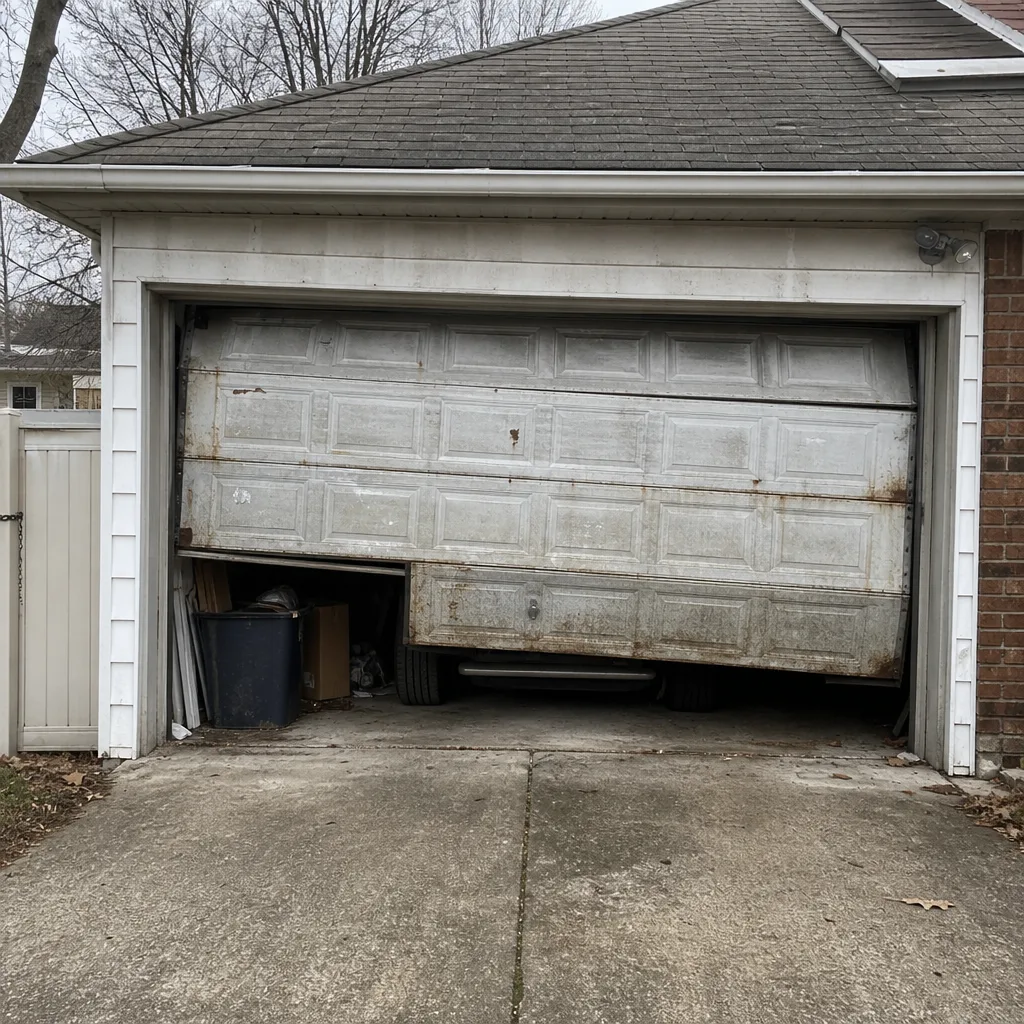 Before
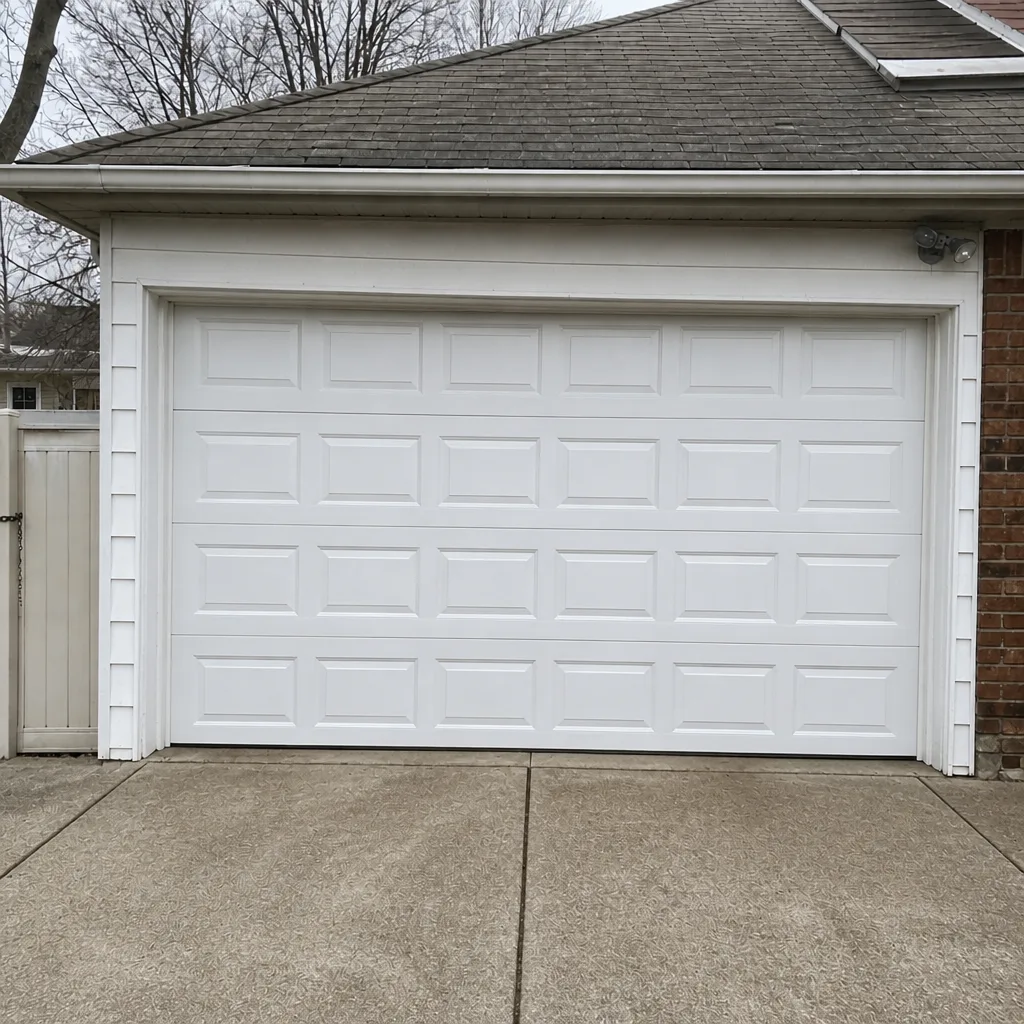 After
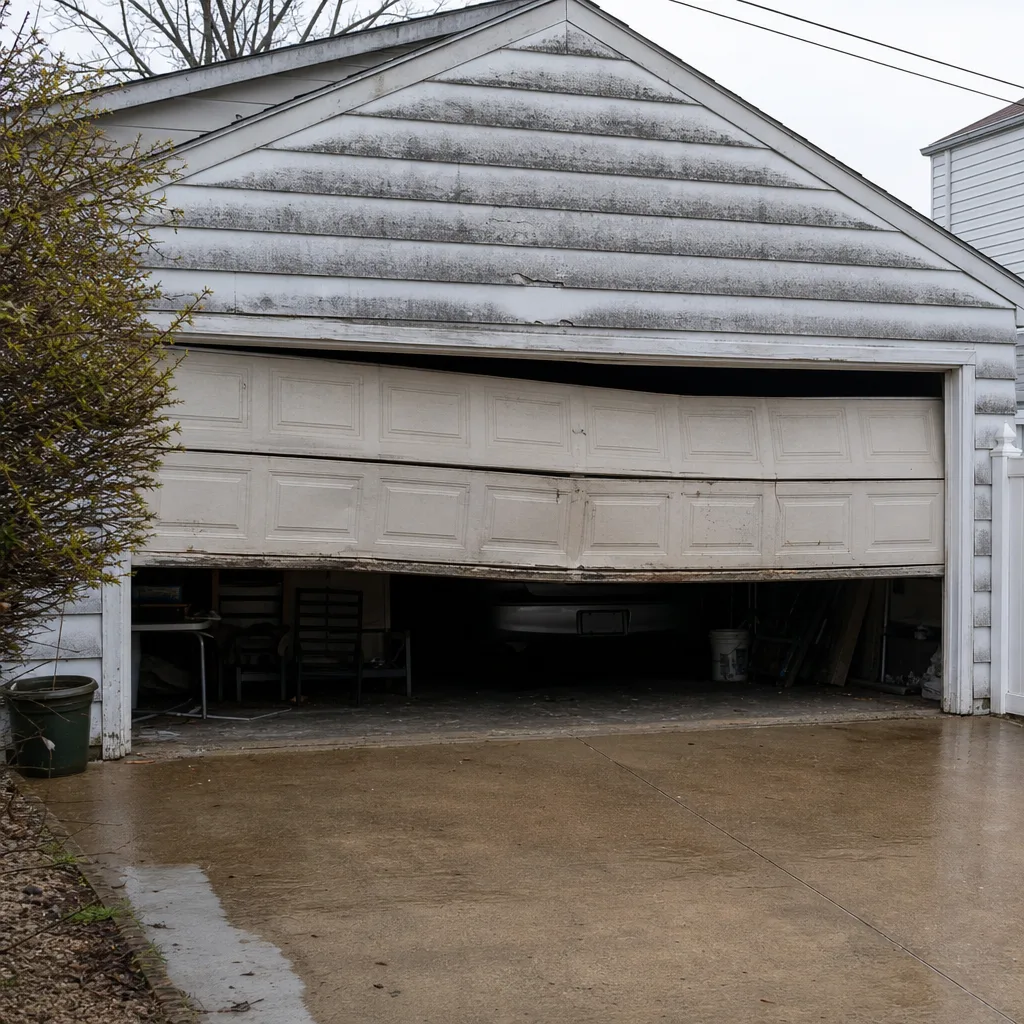 Before
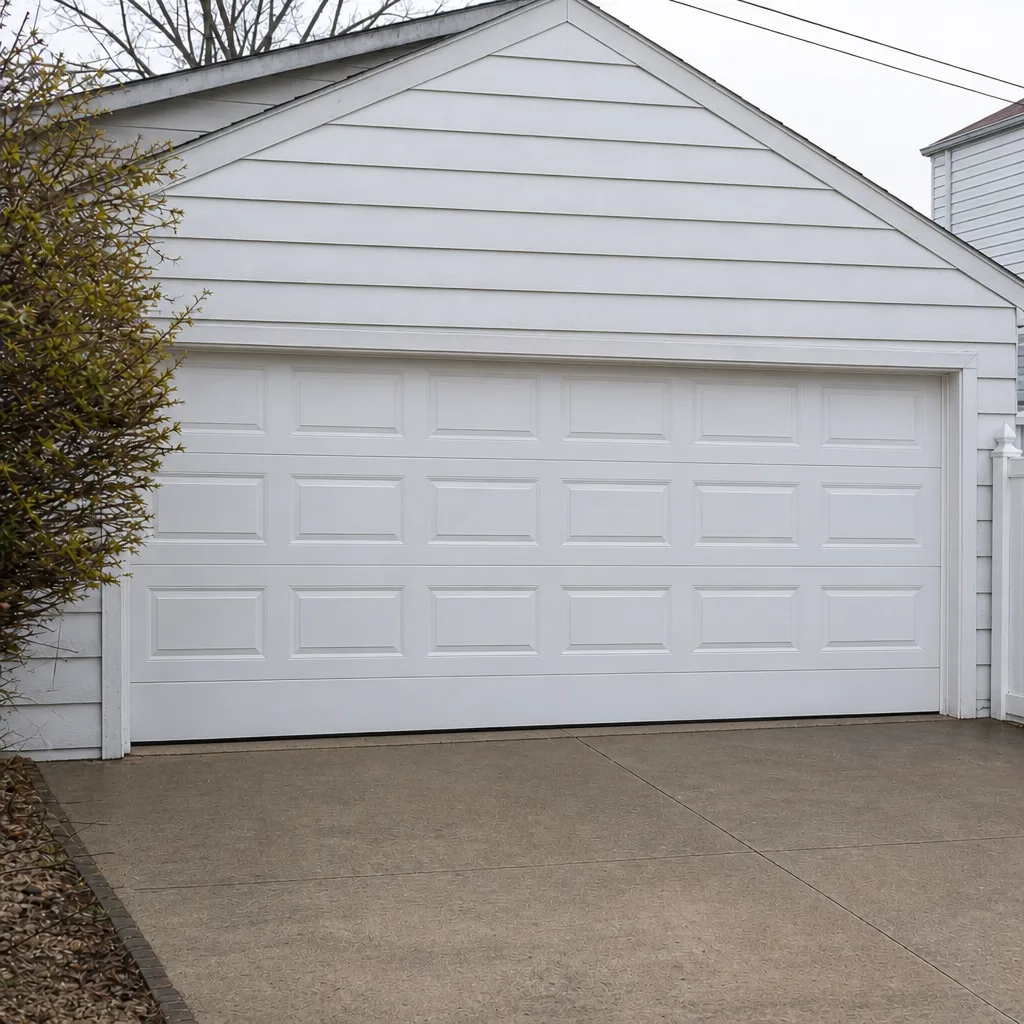 After
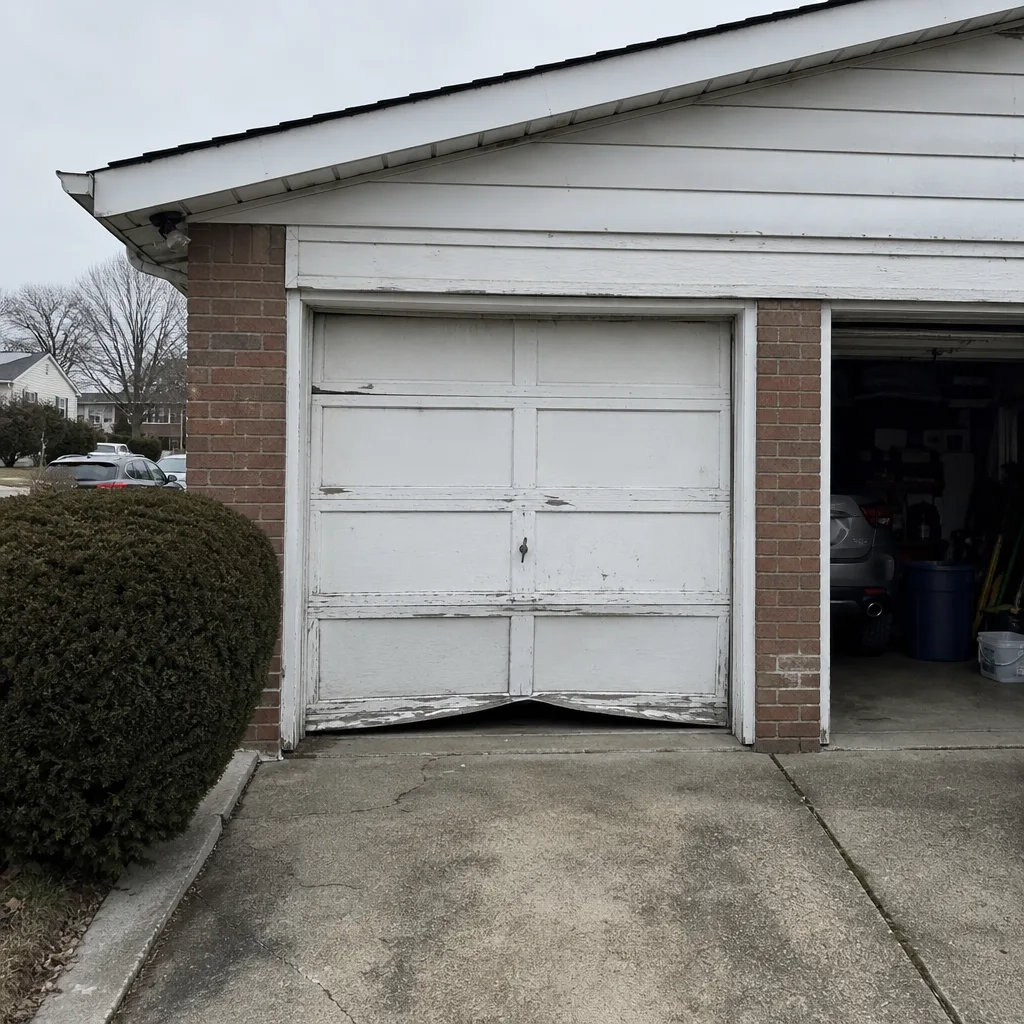 Before
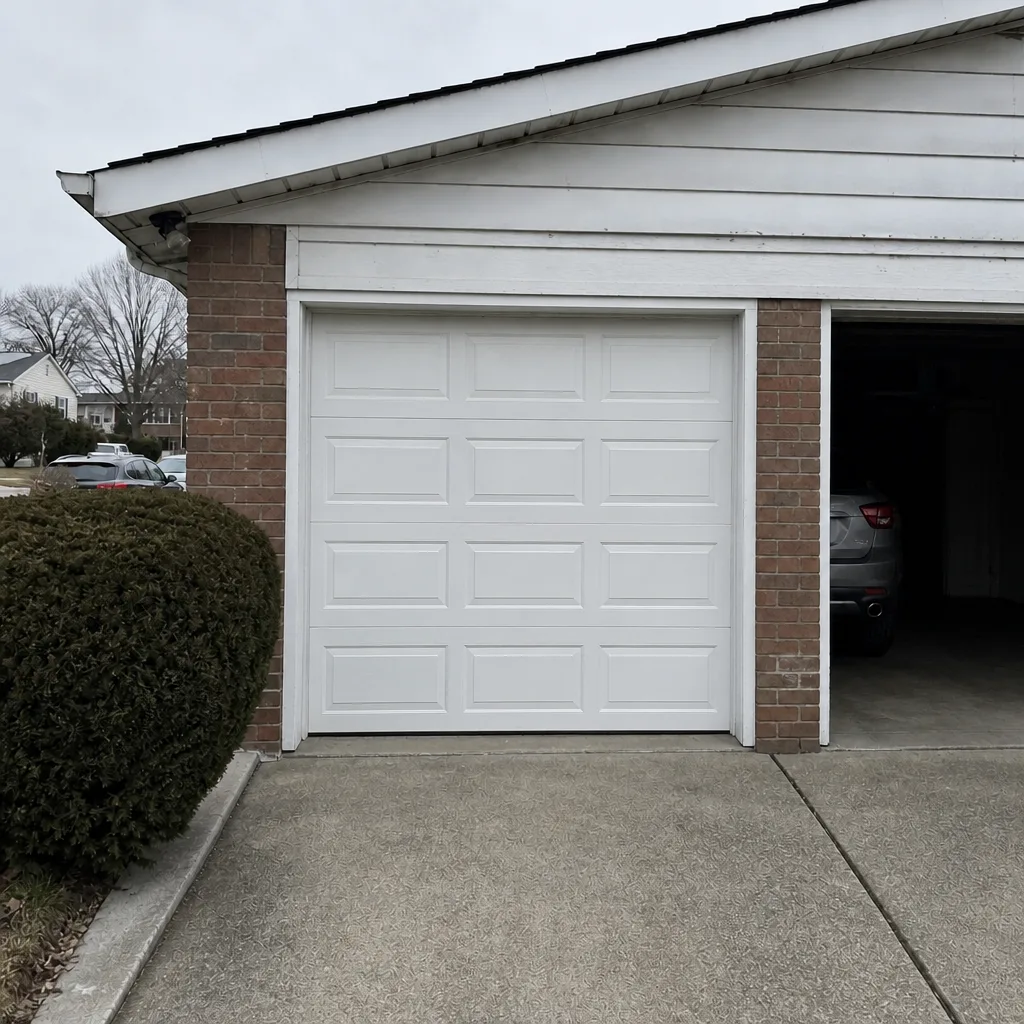 After
When to Call a Professional
Call when the repair requires you to be under tension, work near a wound spring, or support the door’s weight without the springs holding. Call when you’d need a specific tool you don’t own. Call when the diagnosis on a brand-specific opener is unclear. Call when the door’s balance is suddenly wrong, when cables are frayed, when tracks are bent, or when panels have been hit and the alignment looks off. And call when the door is failing at a time when your car or your home’s security is on the line. We’re the garage door specialists for Hempstead Garam doors only. That single-trade focus means every technician we work with does garage door work, not plumbing or HVAC on the side. For a free estimate, reach us at (844) 443-3818. Our technicians have up to 8 years of experience, and we’re factory-familiar with the brands most Hempstead homes already have installed.
Frequently Asked Questions
You can physically buy the tools and attempt it, but the risk of serious injury from a slipping winding bar makes it the one garage door task we strongly recommend against. The stored energy in a wound torsion spring is equivalent to a small car jack under full compression. Call (844) 443-3818 for a free estimate on spring replacement.
It depends on your policy, and we can’t tell you what your specific insurer will do. As a general rule, a claim involving a garage door failure after an unlicensed repair can trigger complications. Before doing structural or spring work yourself, call your insurer and ask. The safe route is hiring a licensed and insured technician.
Typical estimates run $180 – $340 for one torsion spring, and matched pairs are usually replaced together at roughly double that. The written estimate you receive sets the final price, and the price is quoted and agreed before any work starts. Call (844) 443-3818 for a free estimate on your door.
Monthly balance testing and lubrication of hinges, rollers, and the spring coil. Both are completely safe when the door is disconnected from the opener and you’re never near a wound spring. They also prevent premature failure and extend the door’s life.
You can handle battery, remote, and photo-eye issues on your own. When the logic board, drive gear, or motor fails, that’s a component-level repair with brand-specific parts. Opener repairs on LiftMaster, Chamberlain, Genie, Craftsman, and other major brands run faster and cleaner with a technician. Call (844) 443-3818 to book a diagnostic.
Only if we find something not covered in the original quote, and we’ll tell you before we touch anything. The written estimate is the number you pay. That’s true across our repair, opener, and installation work. Call (844) 443-3818 for a free estimate and a clear written price.
Anything that doesn’t put you near a wound spring, a cable under tension, or the door’s weight. Balance testing, lubrication, visual inspection, and photo-eye cleaning are the safe DIY set. Anything Tier 3 (springs, cables, bottom brackets, full installation) is professional-only.
The Bottom Line
The DIY vs professional question for garage doors doesn’t come down to skill level. It comes down to which tasks have a failure mode that punishes confidence. Balance testing, lubrication, and basic sensor cleaning are genuinely useful DIY habits, and we’d recommend them to every Hempstead homeowner. Spring work, cable work, and installation carry a physics problem you can’t outrun with handiness. The real math on DIY includes tools, retail parts, and a redo rate of 20 to 30 percent on first attempts. The written estimate from a trained technician doesn’t leave those variables open. When you want a straight answer on your specific door, we’re the multi-brand specialists in Hempstead for LiftMaster, Chamberlain, Genie, Clopay, Amarr, Wayne Dalton, Craftsman, and Raynor systems. One call, full fix. Call (844) 443-3818 for a free estimate and a written price before any work begins.
Written by the team at Hempstead Garage Door Repair Pros.