Last updated November 23, 2026
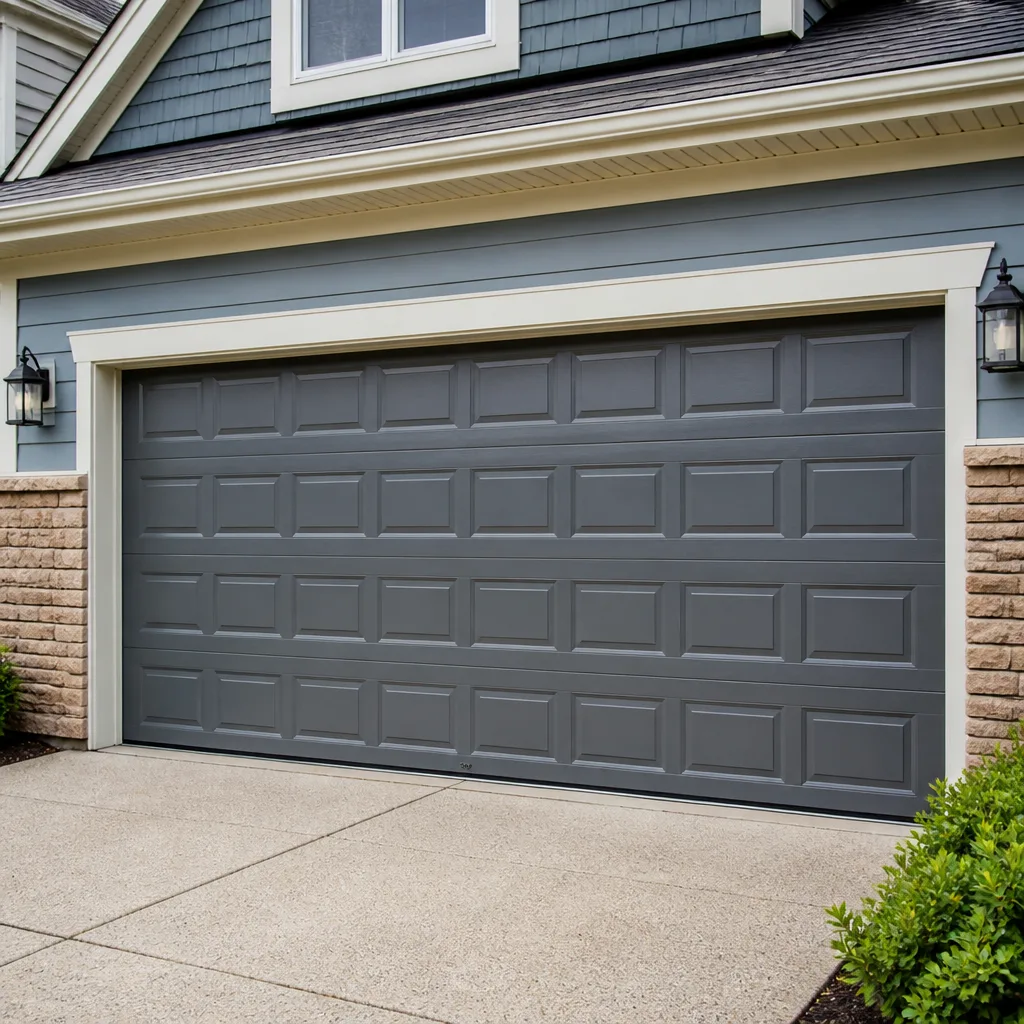 Raised-panel steel
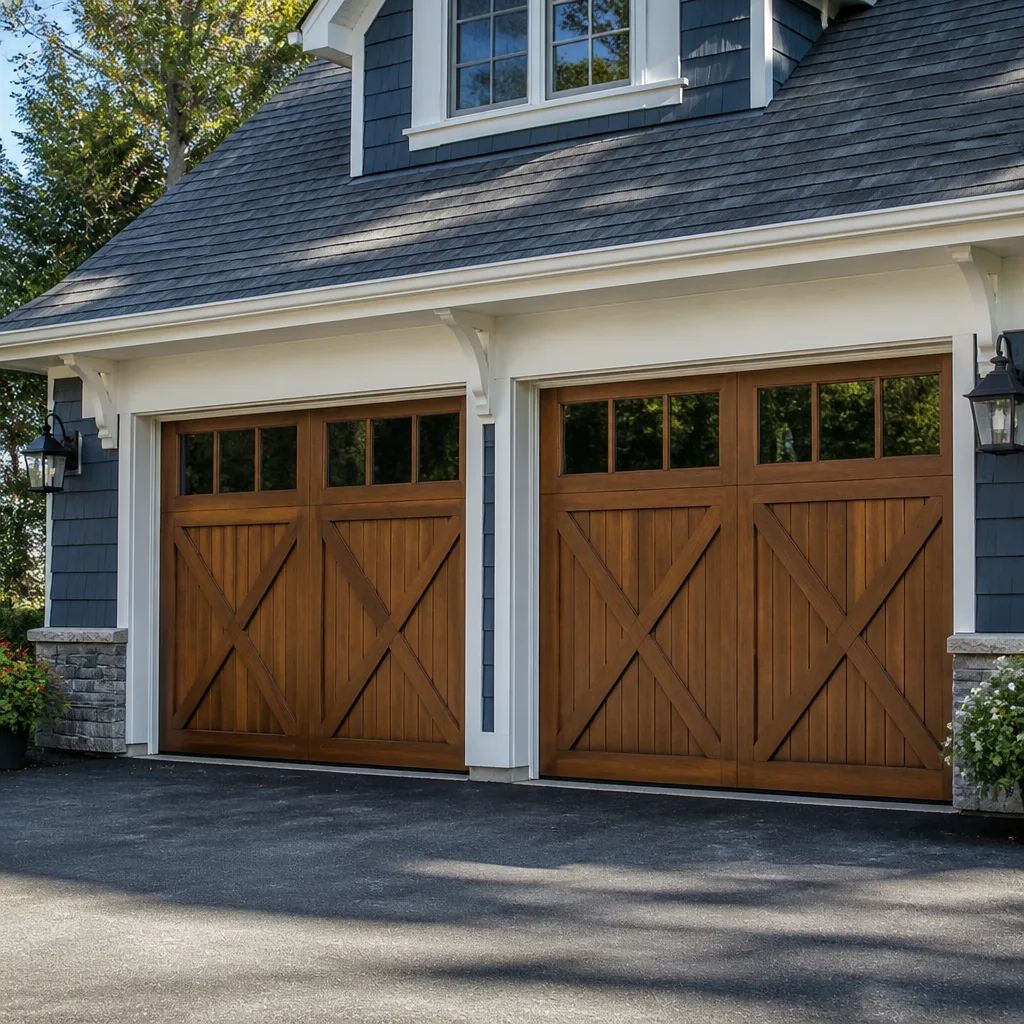 Carriage house
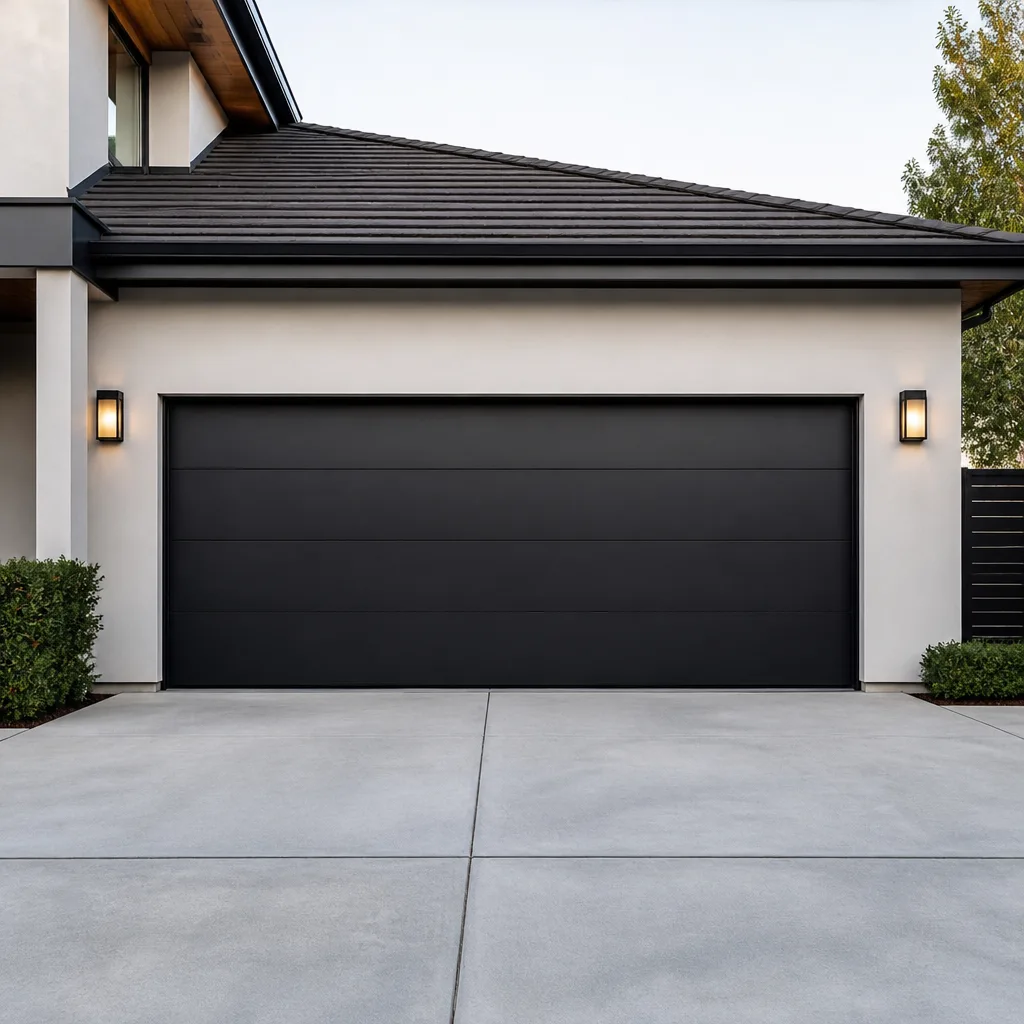 Modern flush
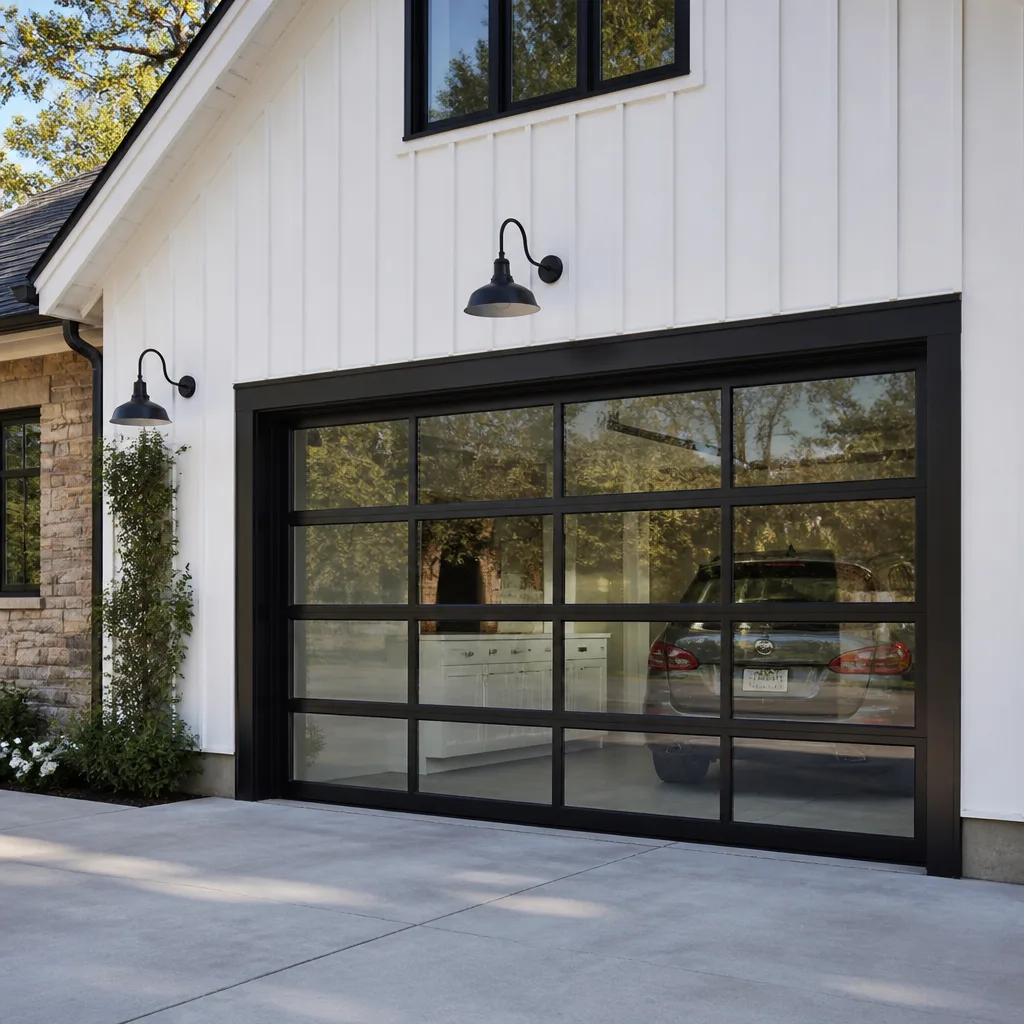 Full-view glass
 LiftMaster openers
 Chamberlain openers
Full 25-point door and opener safety check with every visit - springs, cables, rollers, tracks, and your LiftMaster or Chamberlain opener included
You get a price before we start. It does not change when the pro arrives.
Get your free estimateSeasonal Garage Door Care for Hempstead: Year-Round Homeowner’s Guide
Most garage door failures in Hempstead happen in January and August. Not because those months are hard on hardware, but because the maintenance that should have happened in October and March got skipped. A garage door doesn’t break all at once. It wears in a rhythm set by the seasons, and the two weeks on either side of the first hard freeze and the first humid stretch are when you can catch almost every failure before it happens. This guide walks through what each season actually does to your springs, seals, tracks, and opener, and gives you a month-by-month list that’s honest about what matters and what’s just filler.
Quick Answer
In Hempstead, garage doors need the most attention twice a year: in October, before freeze-thaw cycles stress your weatherstripping, bottom seal, and torsion springs, and in March or early April, after a winter of repeated freeze cycles. Late summer humidity is the second stress window, swelling wood panels and straining openers. Year-round care means checking the door monthly, lubricating moving parts twice a year, and having a professional inspect springs and opener force settings annually.
Styles & brands we work with
- Raised-panel steel
- Carriage house
- Modern flush
- Full-view glass
- LiftMaster openers
- Chamberlain openers
Table of Contents
- Why Hempstead’s Seasons Hit Your Garage Door Differently
- Freeze-Thaw Cycles: What Happens to Seals and Springs
- The August Humidity Problem
- Month-by-Month Maintenance Task List
- Spring Startup Checklist After a Hempstead Winter
- Preparing Your Door for a Nor’easter
- Winter Prep: October Before the Freeze
- What to Leave Alone
Why Hempstead’s Seasons Hit Your Garage Door Differently
Hempstead sits on Long Island’s interior, far enough from the ocean that salt air isn’t a factor, but close enough that nor’easters still swing through with real force. What matters more is that Hempstead gets four genuinely distinct seasons with substantial temperature swings. A garage door in Hempstead experiences more thermal movement in one year than a door in a mild climate experiences in five. Every material in your door – steel, aluminum, wood, vinyl weatherstripping, rubber seals, torsion spring steel – expands and contracts at a slightly different rate.
The result is a cycle of stress that no single product can completely absorb. Steel tracks shift a fraction of an inch. Weatherstripping hardens. Torsion springs lose tension. The wood panels on older Hempstead homes absorb moisture in July and release it in February. Door hardware was designed with this in mind, but the design assumes the hardware gets periodic attention.
What we’ve seen in our work across Hempstead is that doors that get inspected twice a year – once in October and once in March – need significantly fewer repairs overall. Not because the inspections somehow prevent wear, but because small problems get caught before they compound. A slightly misaligned track is a five-minute adjustment. The same misalignment after three months of use becomes a bent track, a strained opener, and a worn roller. That’s a much bigger job.
Freeze-Thaw Cycles: What Happens to Seals and Springs
Freeze-thaw cycles are the main seasonal stressor in Hempstead. Through January, February, and into March, temperatures regularly cross the freezing line, sometimes several times in a single week. Each crossing does something specific to your door’s components.
Bottom seals. The rubber or vinyl seal at the bottom of your door sits directly on the concrete floor. When moisture collects under the door and freezes, the seal is crushed against ice. Repeated cycles harden the material, crack it, and eventually cause it to pull away from the door’s bottom edge. Once the seal fails, water gets underneath during rain and cold air gets in year-round.
Weatherstripping. The vinyl or rubber strips around the door’s perimeter are thinner than the bottom seal but more exposed. Freeze-thaw dries them out and makes them brittle. If yours cracks over the winter, it’s usually because it was already on its way out before the first freeze.
Torsion springs. These springs hold the door’s weight and store the energy that lifts it. Cold steel becomes slightly less ductile and slightly more prone to micro-cracking under load. A torsion spring that’s nearing the end of its service life is much more likely to snap in February than in June. That’s not superstition – it’s how cold metal behaves under repeated cycling. For homeowners who want a professional inspection before the cold hits, our garage door spring repair service covers both torsion and extension spring systems, and we can usually identify a marginal spring before it fails.
The right time to intervene is October. If your bottom seal is showing cracks, replace it before freeze. If your weatherstripping is brittle, replace it. If your springs are old enough that you can’t remember when they were last checked, get them looked at. Springfield, Roosevelt, Hempstead Village, and other nearby neighborhoods all see the same pattern – a batch of seal and spring failures in the first cold snap.
The August Humidity Problem
Late summer is Hempstead’s quieter garage door failure season, which makes it more dangerous in a way. Doors don’t break in August the way they break in February. Instead, they swell, bind, and strain. The damage happens slowly enough that many homeowners don’t notice until something gives out.
Here’s what high humidity does to a garage door:
- Wood panels swell. Older doors and wood-composite panels absorb moisture from the air. The panels expand a fraction of an inch, and that’s enough to throw the door slightly out of square. It binds against the frame during travel.
- Tracks shift. Wood framing in the garage absorbs moisture and moves. Tracks attached to that framing follow. A track that was perfectly plumb in May is slightly out of alignment by August.
- Rollers drag. Steel rollers in worn bearings rust more easily when humidity is high. Steel rollers on nylon bearings get noisier. Either way, the door is harder to move, and the opener is doing more work.
- Openers strain. Force limits and travel limits are set based on how the door moved when the opener was installed. When the door becomes harder to move, the opener works harder to lift it. On a LiftMaster or Chamberlain unit with force detection, the opener may refuse to close the door at all because it interprets the extra force as an obstruction. On older Craftsman and Genie openers, the motor just runs hotter until it fails.
The fix isn’t complicated. In July or August, lubricate the rollers, hinges, and springs. Check that the door raises and lowers smoothly by hand (with the opener disconnected). Run the safety reverse test. If the door binds at any point, adjust the tracks before the opener has to work around it. Our garage door opener repair team sees a lot of August opener failures that trace back to a door that’s been straining for weeks.
Month-by-Month Maintenance Task List
Most seasonal maintenance lists are padded. Here’s what’s actually worth doing in Hempstead, and what’s filler you can skip.
January
What matters: listen for new noises. If the door sounds different, it probably is different. Cold metal on cold metal is louder, but a grinding or popping sound is a sign something is binding.
What’s filler: don’t run the door up and down repeatedly “to keep it moving.” That does nothing.
February
What matters: check the bottom seal after any ice storm. Ice that builds under the door can tear the seal. Clear the threshold of any snow or ice packed against the door.
What’s filler: don’t apply lubricant in sub-freezing temps. It thickens and attracts dirt.
March
What matters: this is your major spring inspection month. Test the door balance. Look at the springs for any sign of gaps, cracks, or sagging. This is when you want a professional inspection if you haven’t had one since the previous year. See the spring startup checklist below for the full list.
What’s filler: don’t power wash the door. It drives water into seals.
April
What matters: replace weatherstripping if the winter cracked it. Lubricate the full door system for the warm season. Check the tracks for alignment by running the door by hand.
What’s filler: paint touch-ups are cosmetic, not functional.
May and June
What matters: run the safety reverse test (place a 2×4 flat under the door, close the door, and confirm it reverses on contact). Check the photo-eye alignment. Verify that remotes and keypads still work.
What’s filler: most months, nothing else needs doing.
July and August
What matters: lubricate the door again. If you have a wood or wood-composite door, watch for swelling and binding. If the door is noticeably harder to open than it was in April, get it looked at.
What’s filler: don’t run the opener force calibration “just in case.” Adjusting force limits when nothing’s wrong can actually mask real problems.
September
What matters: nor’easter prep. Check the door’s perimeter seal, anchor bolts, and track security. See the nor’easter section below.
What’s filler: don’t over-tighten bolts. If they were properly torqued, they’re still properly torqued.
October
What matters: this is your other major inspection month. Replace bottom seals and weatherstripping before the freeze. Have torsion springs professionally checked. Tighten any loose hinges. Lubricate the entire system one more time. This is the single most valuable maintenance week of the year for a Hempstead garage door.
What’s filler: don’t apply a “winter formula” lubricant unless the manufacturer specifies one. Standard garage door lube is fine.
November and December
What matters: test the door’s balance one more time before the freeze really sets in. Make sure the safety reverse still functions. Then leave it alone unless something seems off.
What’s filler: nothing.
Spring Startup Checklist After a Hempstead Winter
Once the winter has passed with its repeated freeze-thaw cycles, the door has taken real stress. This is the checklist that catches the damage before it becomes an emergency in April or May.
- Test the door balance. Disconnect the opener (pull the emergency release handle). Lift the door halfway and let go. A properly balanced door stays where you left it. If it drops, the springs have lost tension or the door is out of balance.
- Inspect the torsion spring (visually only). Look at the coil. A healthy torsion spring is a clean, continuous spiral. Gaps, cracks, or a visible split mean it needs attention. Do not touch, adjust, or attempt to wind the spring yourself – torsion springs are under extreme tension and can cause serious injury. This is a professional-only component.
- Look at the extension springs (if your door has them). Extension springs run along the horizontal tracks. Check that the safety cables running through them are intact. If a cable is broken or missing, don’t operate the door until a professional replaces it.
- Check the bottom seal for cracks. Squeeze it gently. If it feels hard, cracked, or no longer meets the concrete floor evenly, it needs replacing.
- Inspect the weatherstripping around the frame. Look for gaps, peeling, or brittleness. This is cheap to replace and it’s the front-line defense against moisture intrusion all year.
- Roll the door by hand and listen. With the opener disconnected, raise and lower the door slowly. It should move smoothly and quietly. Grinding, popping, or unusual resistance means something needs adjustment.
- Check track alignment visually. Stand inside the garage and look at each vertical track. The two should look parallel and plumb. Any visible bend or outward lean means the track needs realigning.
- Test the opener’s safety reverse. Reconnect the opener. Place a flat piece of wood under the door and close it. The door should reverse on contact. If it doesn’t, adjust the opener’s force or call for service.
- Check the photo-eye sensors. Break the beam with your foot. The door should reverse. If it doesn’t, the sensors need adjustment or replacement.
- Verify the opener’s LED indicators. On LiftMaster, Chamberlain, and Craftsman units, blinking LEDs often indicate specific fault codes. A solid light usually means the system is operating normally.
Most of these checks take fifteen minutes. If you find two or more issues, that’s usually a sign the door needs a professional inspection before the summer heat stresses it further.
Preparing Your Door for a Nor’easter
Hempstead catches its share of nor’easters through the fall and early winter. High winds, driving rain, and rapid temperature drops do a specific kind of damage to a garage door. The prep work is modest, but it needs to happen before the storm, not during.
What to check:
- Perimeter weatherstripping. A cracked or peeling strip is the first thing to fail in wind-driven rain. Replace any weatherstripping that isn’t making solid contact with the door when closed.
- Bottom seal contact. The seal should sit flush against the concrete. If you can see light underneath when the door is down, it’s not sealing properly and wind will push water through.
- Track anchor bolts. The vertical tracks are bolted to the garage framing. Check that the bolts are snug. Don’t over-tighten – if a bolt feels loose, hand-tighten it and have a professional check the track alignment afterward.
- Panel condition. Loose or delaminating panels are wind-entry points. If a panel is visibly separating from the door structure, have it addressed before the storm.
- Opener disengagement. Know where the manual release handle is. If the power goes out during a storm and you need to operate the door by hand, you’ll want to find the handle without a flashlight hunt.
What to leave alone: don’t adjust the opener’s force settings before a storm. Don’t re-torque every bolt on the door. Don’t try to “storm-proof” the door beyond what it was designed for. A garage door is engineered to flex slightly in wind, and over-tightening hardware can cause problems of its own.
If a storm does cause panel damage or track damage, our garage door repair service covers the full range – panels, tracks, rollers, hinges, and opener components. Repairing a storm-damaged door isn’t a DIY job for the same reason repairing any garage door isn’t – the springs are under tension, and the geometry of the system has to be exact.
Winter Prep: October Before the Freeze
October is the second half of the year’s most important maintenance window. Everything you do here sets up the door for the freeze-thaw cycle ahead.
Start with the seal and weatherstripping. If the bottom seal shows any cracks, replace it now. If the perimeter weatherstripping is brittle or peeling, replace it now. Both are cheap, and both prevent much bigger problems once the first freeze arrives. Cold air infiltrating through a bad seal can cause condensation on the inside of the door, which drives further problems.
Next, get the springs inspected. A torsion spring that’s been in service for years is a prime candidate for failure in the first really cold week of December or January. A spring that’s already been making noise or that has visibly lost tension is worth replacing before it snaps. Not because a broken spring in July is easier to fix than a broken spring in January – it isn’t – but because a broken spring in January often leaves a car trapped inside the garage, which turns a mechanical problem into a scheduling one.
Lubricate everything one more time. Rollers, hinges, springs, and the opener’s drive system. Use garage door lubricant, not general-purpose oil or WD-40 – general oils attract dust and turn into grinding paste by the end of winter.
Finally, tighten any loose hinges and check that the opener’s force settings are correct for the cold weather ahead. Cold components move slightly harder, and an opener that’s already at its force limit will struggle. If the opener is a modern LiftMaster or Chamberlain unit with automatic force detection, it handles this itself. Older units may need adjustment, and a repair technician should handle that. If you’re in doubt, call us at (844) 443-3818 for a free estimate before the cold hits.
What to Leave Alone
Some of the most useful maintenance advice is about what not to do. Garage doors have several components that genuinely shouldn’t be touched by anyone other than a trained technician.
Torsion springs. These are the coiled springs mounted on the shaft above the door. They’re under extreme tension. Winding or unwinding them requires specialized tools and specific knowledge – an error can cause serious injury. Never attempt to adjust, replace, or even “check the tension” on a torsion spring yourself. Same applies to extension springs, which are under less tension but still dangerous if they snap.
Opener force calibration. Modern openers set their own force limits by running a learning cycle. Older openers have screw adjustments for up and down force. If your opener is having trouble, the solution is usually to fix the door, not to increase the force setting. Increasing force masks the problem and strains the motor.
Track alignment under tension. If a track needs realignment, the door needs to be partially disassembled to do it safely. Bending tracks with the door in place is a common DIY mistake that leads to more damage than it fixes.
Cable replacement. The cables running along the door’s sides are under the same tension as the springs. Replacing them is a professional job, not a homeowner one.
What you can safely do yourself: replace weatherstripping and bottom seals, lubricate moving parts, tighten visible bolts snugly (not aggressively), test the safety reverse, and inspect visually. Anything involving springs, cables, or force adjustments should go to a trained technician.
How a Professional Seasonal Inspection Works
A professional inspection in Hempstead should be a fairly thorough walkthrough, not a quick visual check. When we do seasonal inspections, here’s roughly what’s covered:
- Balance test. Door disconnected from opener, tested at multiple positions.
- Spring inspection. Both torsion and extension. Visual assessment of condition, plus measuring tension where relevant.
- Track and roller check. Verify alignment and check roller bearing condition. Look for worn or flat-spotted rollers.
- Hinge and hardware check. Loose hinges are a common source of door noise. Tighten where needed.
- Seal and weatherstripping assessment. Recommend replacement where needed.
- Opener diagnostic. Force settings, travel limits, safety reverse function, photo-eye alignment.
- Panel and door structure check. Look for dents, delamination, or loose panels.
- Written report. What’s fine, what’s marginal, what should be replaced.
Our technicians have up to 8 years of experience and are factory-familiar with the major brands we service – LiftMaster, Chamberlain, Genie, Clopay, Amarr, Wayne Dalton, Craftsman, and Raynor. If your door or opener is one of these, we’ve seen the specific failure modes it has. That matters because a Wayne Dalton door’s winter failure pattern is different from a Clopay’s, and a Craftsman opener’s force-detection behavior is different from a Genie’s. Brand familiarity speeds up diagnosis, and it also means we’re less likely to recommend a fix that doesn’t fit your equipment.
We handle Hempstead Garage Door Repair Pros services across the full range – repair, opener repair, spring repair, and new installation. If you do reach the point where a door needs to be replaced rather than repaired, we can handle that too, and the door gets measured and scheduled rather than rushed. A new installation isn’t a same-day service – the door is ordered to spec and installed after it arrives. The advantage of a single-call approach is that you’re not coordinating between a repair company and an installer who might blame each other for a problem.
See the difference
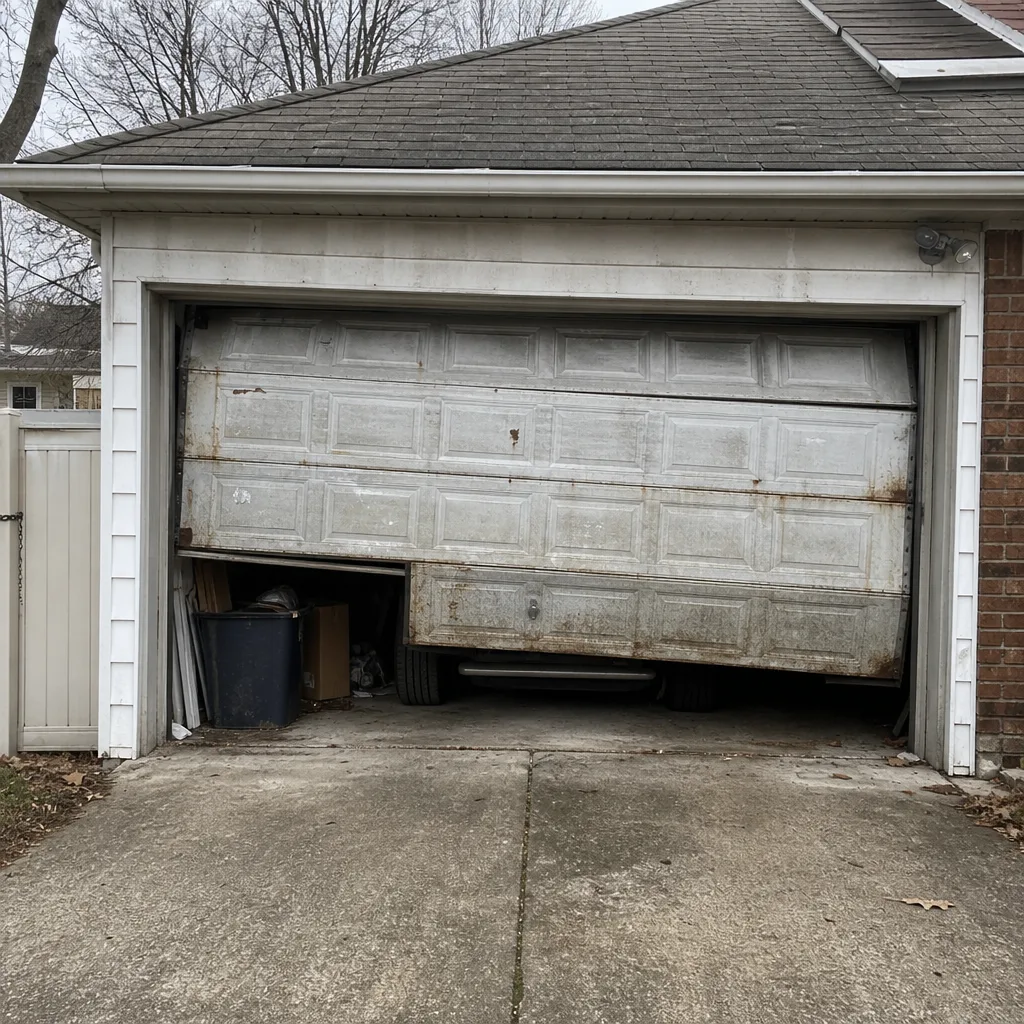 Before
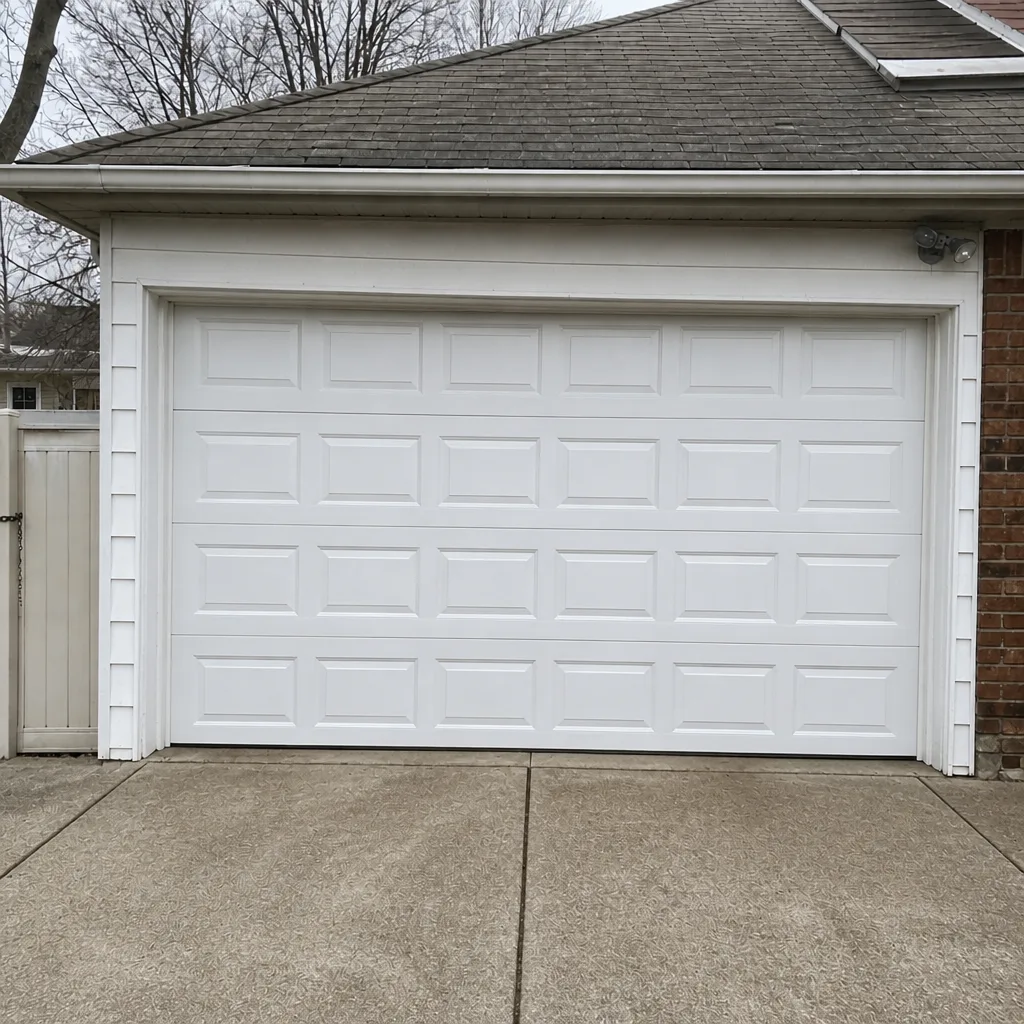 After
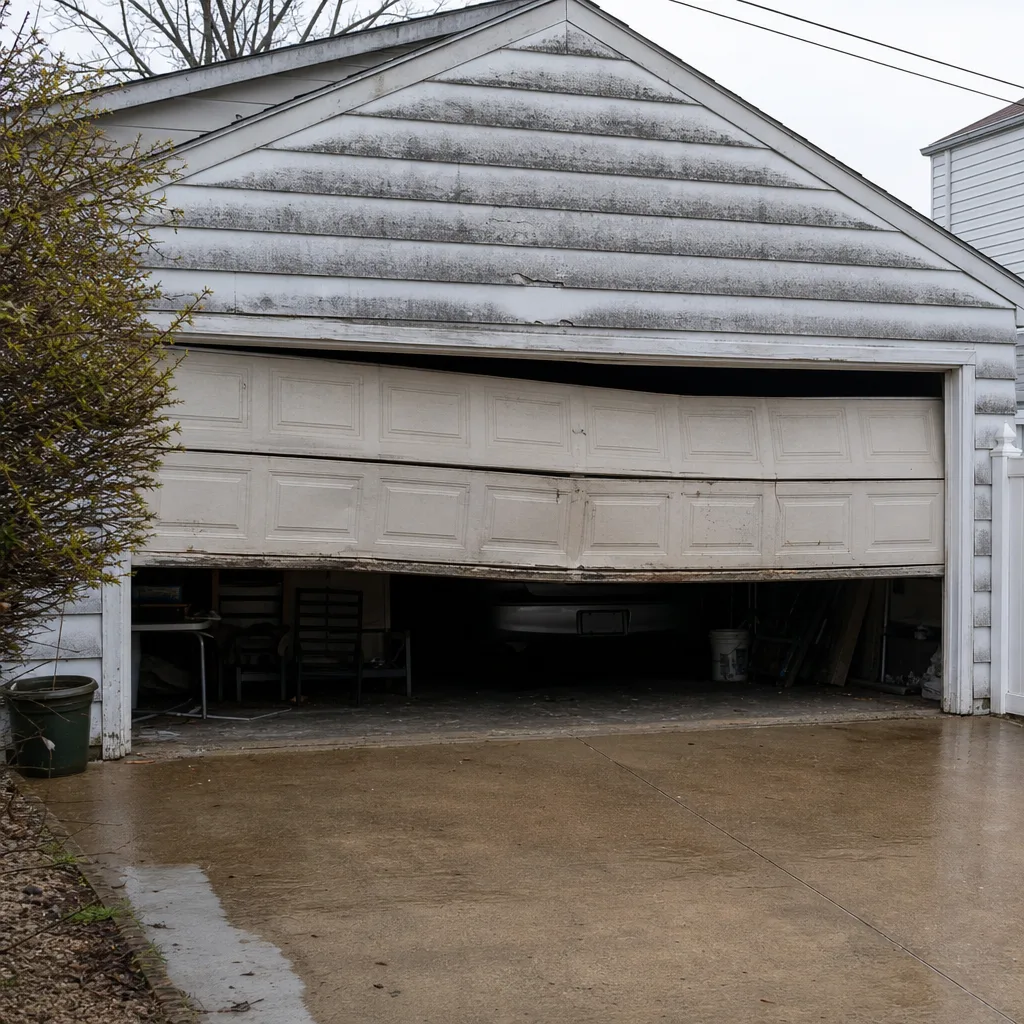 Before
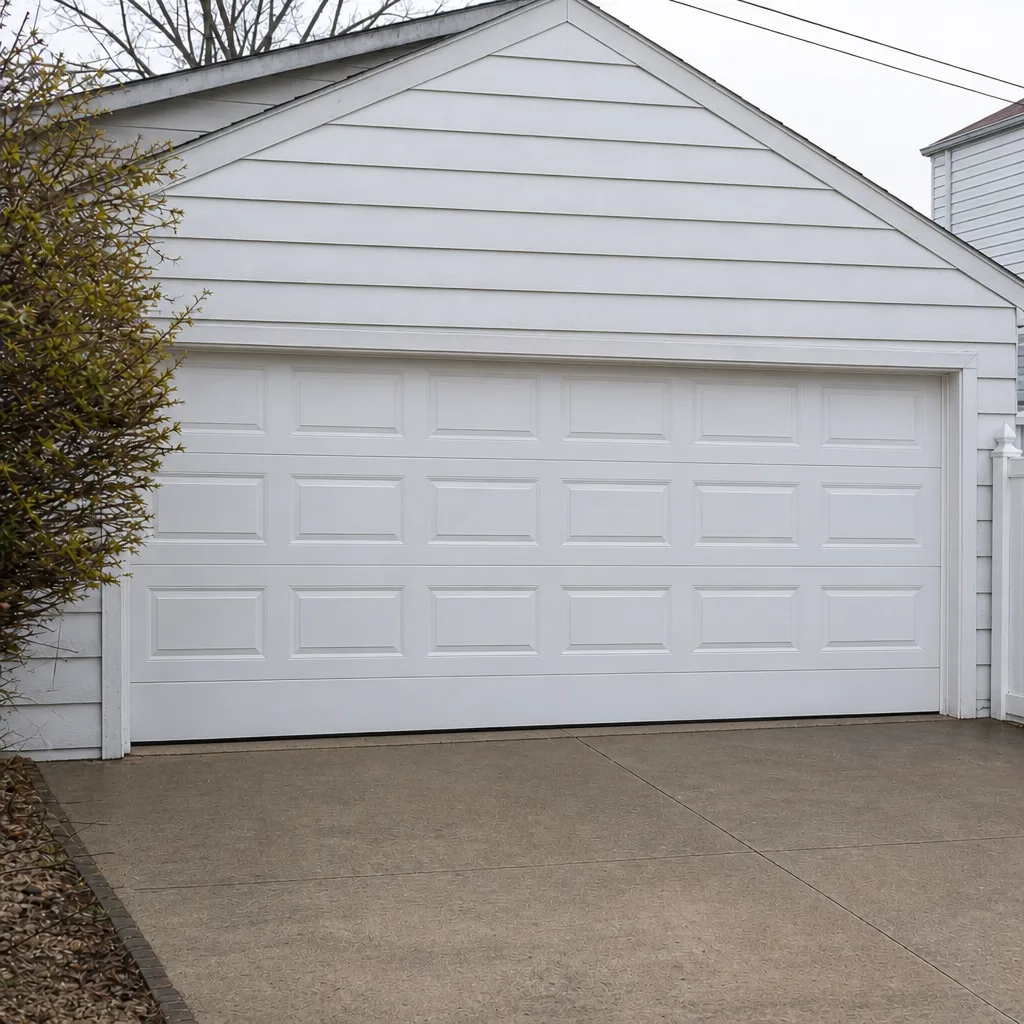 After
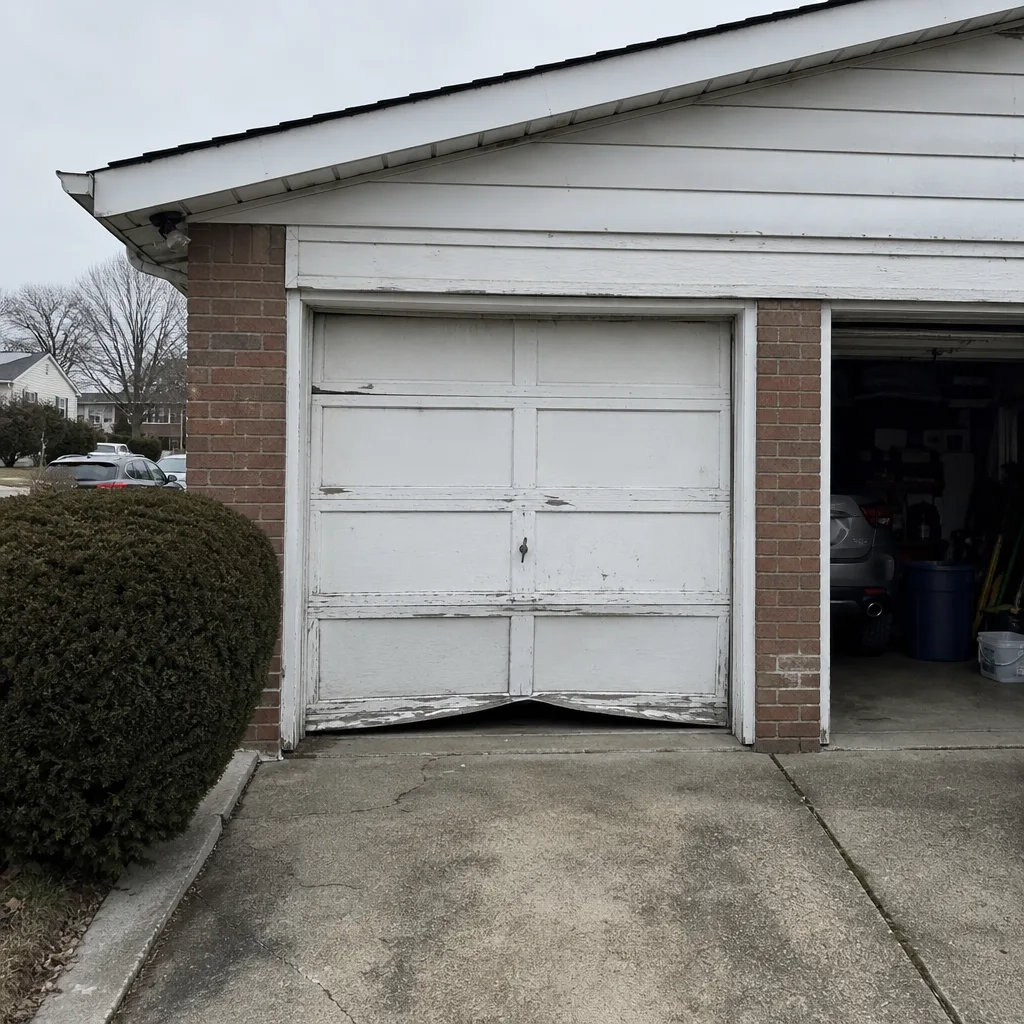 Before
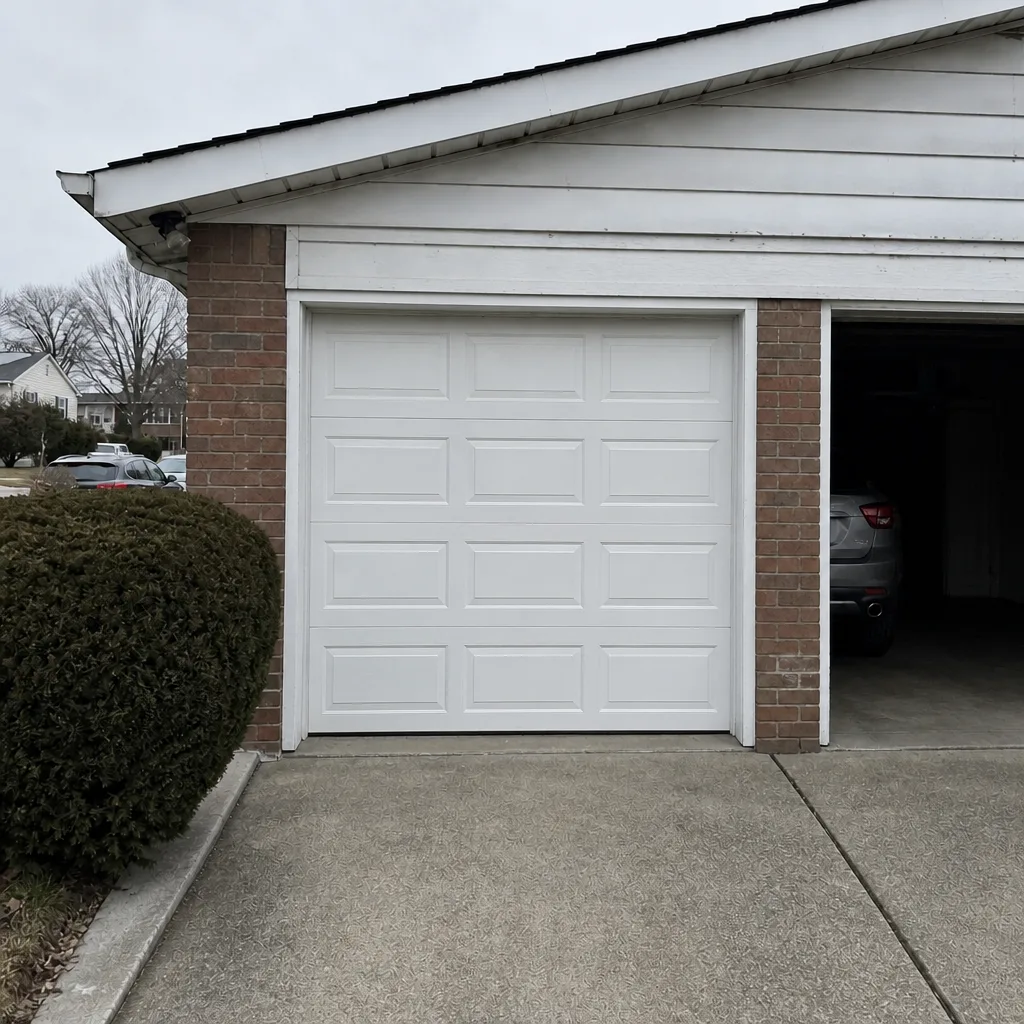 After
Common Mistakes to Avoid
- Skipping October because “it’s not broken yet.” The whole point of October maintenance is to catch problems before the cold makes them worse. A door that works fine in September is exactly what an October inspection should be looking at.
- Applying lubricant in the wrong season or the wrong place. Heavy lubricant in February thickens and becomes a problem. Light lubricant in August dries out too quickly. Use garage-door-specific lubricant and apply it spring and fall, not winter.
- Adjusted opener force rather than fixing the door. When the door is binding, the right move is to fix the binding, not to increase the opener’s force setting. Increasing force doesn’t solve the original problem and it wears out the opener motor faster.
- Ignoring bottom seal deterioration for a whole winter. A small crack becomes a wide gap after one freeze-thaw season. Water gets in, the track rusts, and the door starts binding. Replacing that seal in October costs a fraction of what the compounding damage costs.
- Running the door through ice or packed snow. Ice buildup under the door can tear the seal on the way down. Before running the door after a storm, look at the threshold and clear any ice.
- Replacing springs without addressing the reason they failed. Springs fail from cycle count and wear, but also from doors that are out of balance or tracks that are misaligned. Replacing a spring on a door with misaligned tracks just sends the new spring down the same path to failure.
- Using WD-40 or petroleum oil on garage door hardware. These attract dust and eventually gum up the rollers and hinges. Use proper garage door lubricant, which is silicone- or lithium-based, or the manufacturer’s recommended product.
- Attempting spring work or cable work yourself. This is the biggest mistake homeowners make. Torsion and extension springs are under extreme tension. There is no clever DIY approach that makes this safe. Call a professional.
When to Call a Professional
Most of the seasonal work in this guide is homeowner-friendly. There are specific scenarios where it’s time to call.
Call a professional if: the door won’t close or reverse properly; you hear a loud pop and the door stops opening; you notice a visible gap or crack in a torsion spring; the door has visible track damage after a storm; the opener is making grinding or humming sounds without movement; your door is out of balance and stays partially open when you release it; or you find any broken spring or cable. Also call if you’re simply not sure – a professional inspection is cheap compared to the cost of a missed problem.
Hempstead Garage Door Repair Pros offers free estimates in Hempstead – call (844) 443-3818. We serve the full range of Hempstead neighborhoods and the surrounding communities, and the local pro we connect you with is state-licensed and insured as required. Prices are quoted and agreed before any work starts, and the written estimate sets the final price.
Frequently Asked Questions
Twice a year is the right cadence: once in October, before the freeze, and once in March, after the winter. Between those inspections, do monthly visual checks and lubricate the door twice a year. If your door is older or your opener has had problems, an extra check in July or August catches the humidity issues before they compound.
Cold steel is less ductile than warm steel, and it’s more prone to micro-cracking under the repeated cycling of daily use. Combined with the general thermal movement of a garage door system in a Hempstead winter, a spring that’s already near the end of its service life has a higher failure probability in cold weather. It’s not that cold causes the break – it’s that cold accelerates the failure of a spring that was already going to fail. Call (844) 443-3818 for an exact quote on replacement – estimates are free.
Yes, perimeter weatherstripping is one of the few garage door components most homeowners can replace themselves. The strips are typically held in with nails or screws along the door frame, and the replacement slides into or attaches to the same channel. Bottom seals are also homeowner-replicable on most doors. Anything involving springs, cables, or the opener should not be a DIY job.
They overlap, but they’re not the same. A seasonal inspection covers the door’s full system condition – springs, tracks, opener, balance, seals. A nor’easter prep is a narrower check focused on wind and water intrusion: perimeter seals, bottom seal contact, track anchor bolts, and panel condition. Think of the seasonal inspection as the broad physical, and the nor’easter prep as the targeted one before storm season.
Usually, yes. A well-maintained door in good condition can go through a winter without maintenance. The bigger risk is a door that already has marginal conditions – a bottom seal with a crack, a spring near end of life, an opener near its force limit. For those doors, skipping October maintenance tends to mean a bigger repair in January. It’s cheaper and simpler to fix it in October.
Not much. Disconnect the opener, test the door by hand to confirm it’s moving smoothly, and lower it fully. If you’re leaving for an extended period, ask a neighbor to run the door once a week so the springs don’t sit in one position for too long. On return, test the balance before you reconnect the opener. If something feels off, call for a check before daily use resumes. Call (844) 443-3818 for an exact quote on any inspection – estimates are free.
Pricing is per job by estimate, and the local pro provides a written quote before any work starts. Cost depends on the door and opener configuration and on what repairs the inspection recommends. The written estimate sets the final price. Call (844) 443-3818 for a free estimate – we can give you the exact number for your door.
We’re factory-familiar with LiftMaster, Chamberlain, Genie, Clopay, Amarr, Wayne Dalton, Craftsman, and Raynor. That covers most openers and doors installed on Long Island. If you’re not sure of your brand, the technician can identify it on arrival.
The local pro we connect you with is state-licensed and insured as required. Our technicians have up to 8 years of experience working specifically on garage doors and openers – we’re a single-trade specialist, not a general handyman service. That matters for one simple reason: every technician on every job is a garage door technician, not someone who also does plumbing. Call (844) 443-3818 for a free estimate.
We offer emergency garage door service as a core offering. Same-day service is available for repair and emergency calls. If a spring has snapped or your opener has died and left a car trapped inside, call (844) 443-3818 and we’ll get a technician scheduled. Installation and new door work is not same-day – that work requires measurement, ordering the door, and scheduling installation.
The Bottom Line
Hempstead garage doors don’t need continuous attention, they need the right attention at the right time. October is the make-or-break month – replace the seal, check the springs, lubricate everything. March is the recovery month – run the full startup checklist and fix what winter stressed. Late summer humidity is quieter but real, and it’s worth a July check. The rest of the year is quiet observation. Get those two main windows right and you avoid most of what fails in January and August. Our technicians have up to 8 years of experience working specifically on garage doors and openers, and we’re ready when the seasonal work exceeds what you’d rather handle yourself.
For seasonal inspections, garage door repair, opener repair, spring replacement, or full installation, contact us for a free estimate. The price is quoted and agreed before any work starts, and the written estimate sets the final price. Reach out today to schedule your October or March inspection, or call immediately if something isn’t working as it should.
Ready to get your garage door on a solid seasonal schedule? Call Hempstead Garage Door Repair Pros at (844) 443-3818 for a free estimate today. We work on your brand, we handle the full scope in a single call, and we’ll tell you exactly what your door needs – no more, no less.
Written by the team at Hempstead Garage Door Repair Pros.