Last updated November 23, 2026
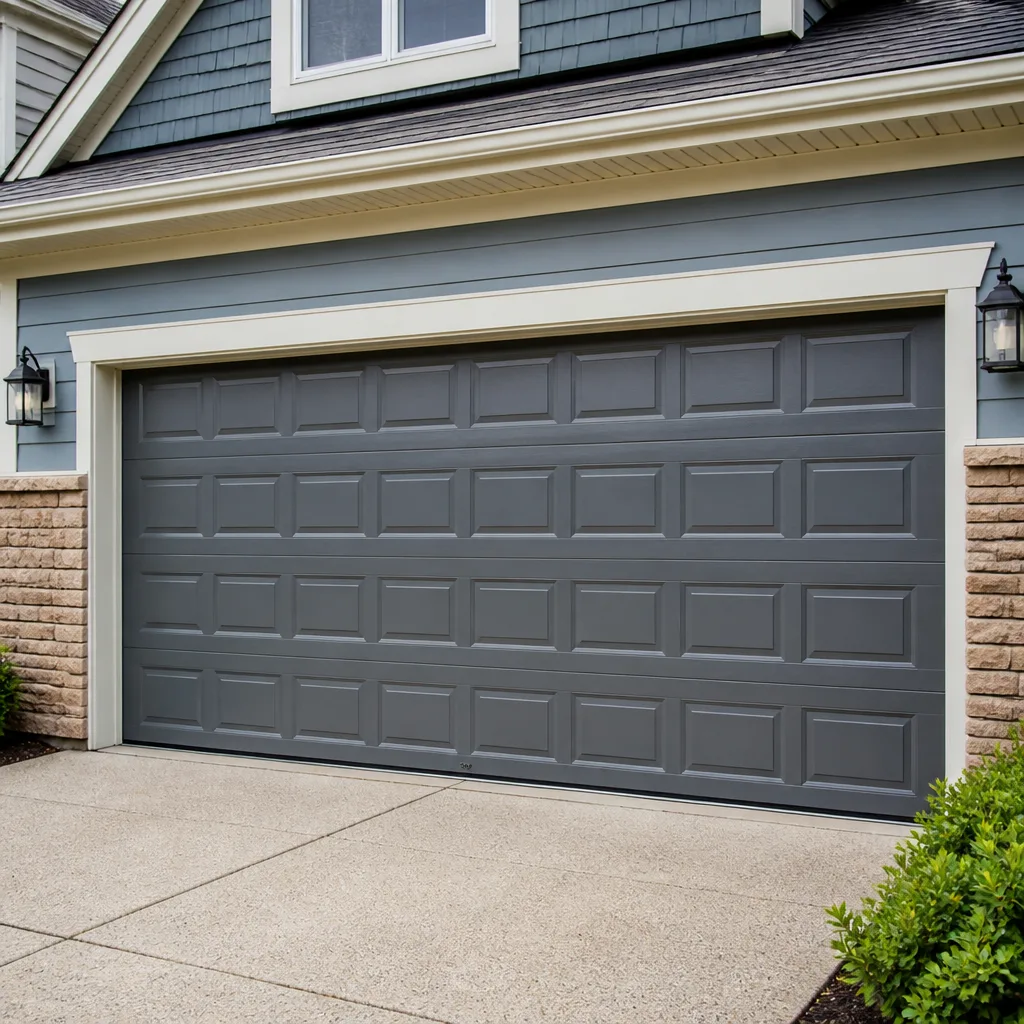 Raised-panel steel
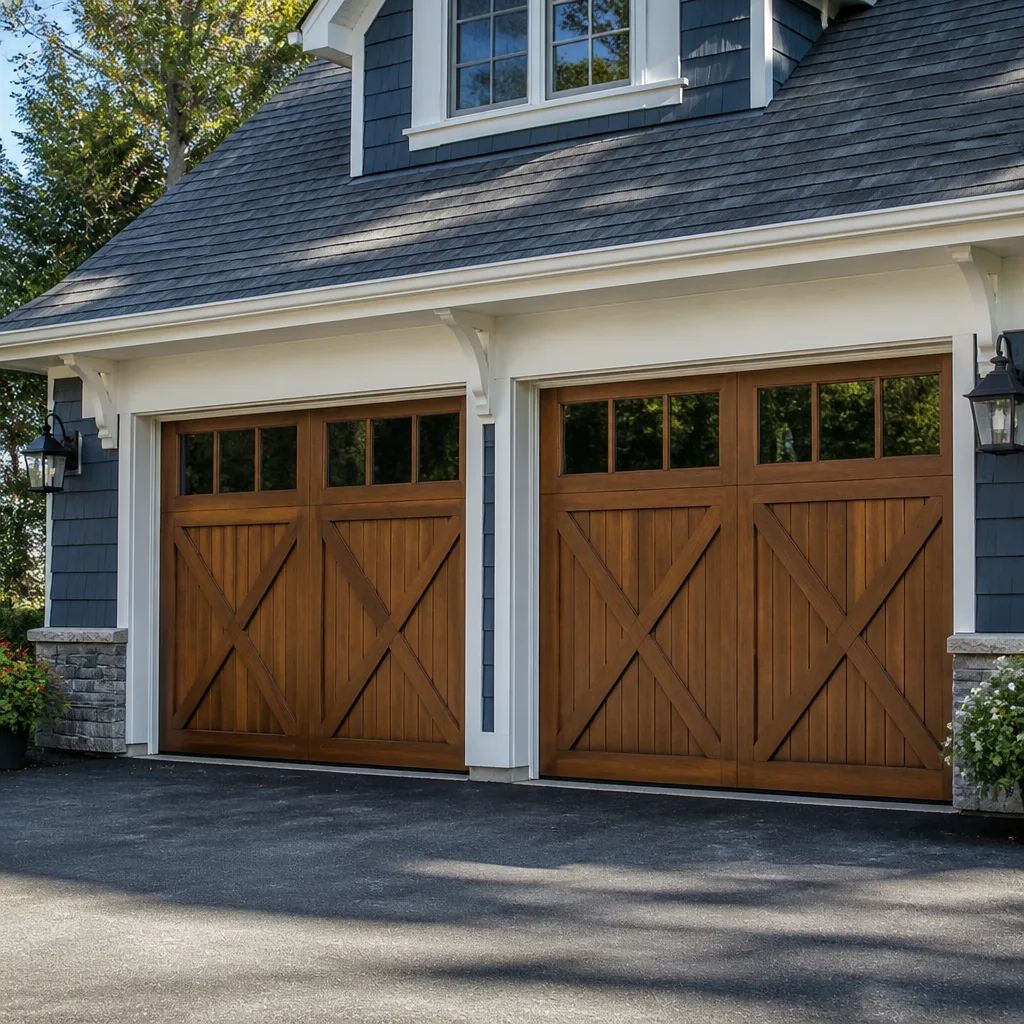 Carriage house
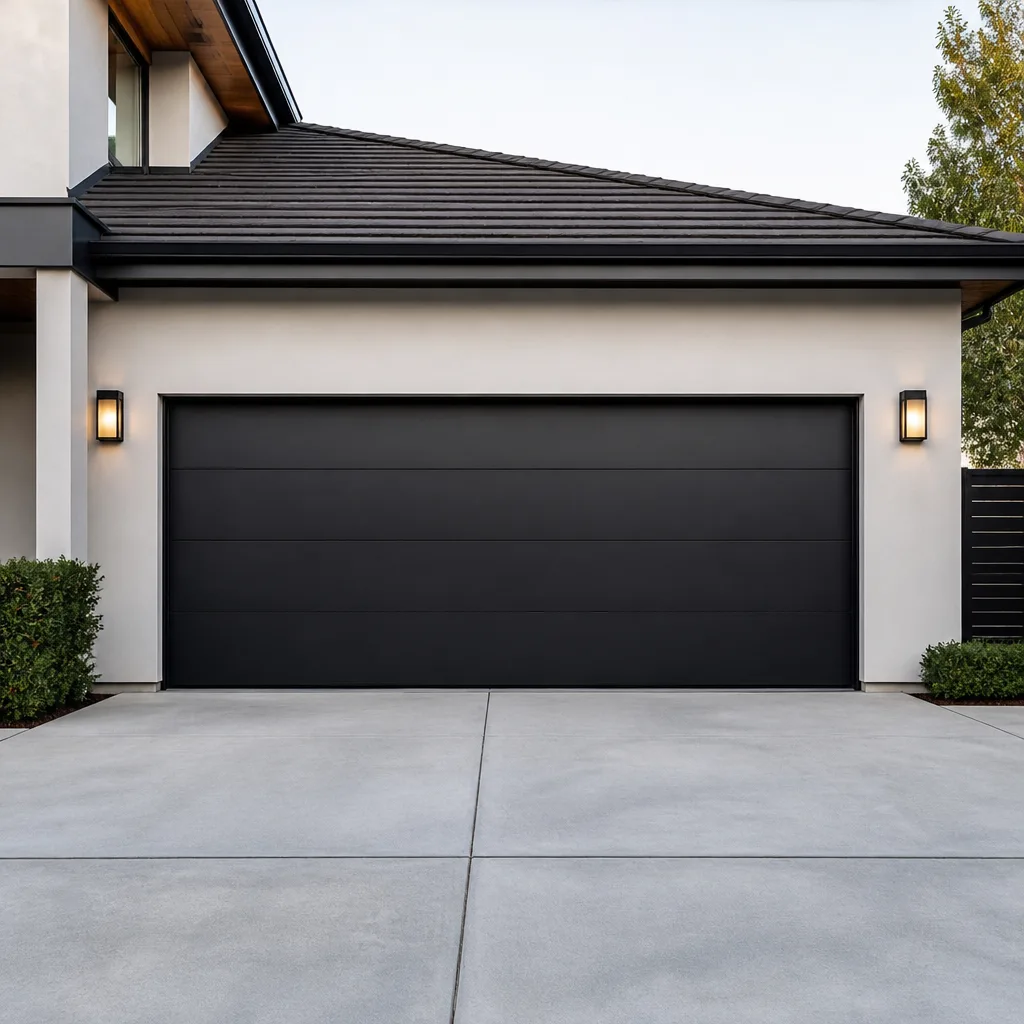 Modern flush
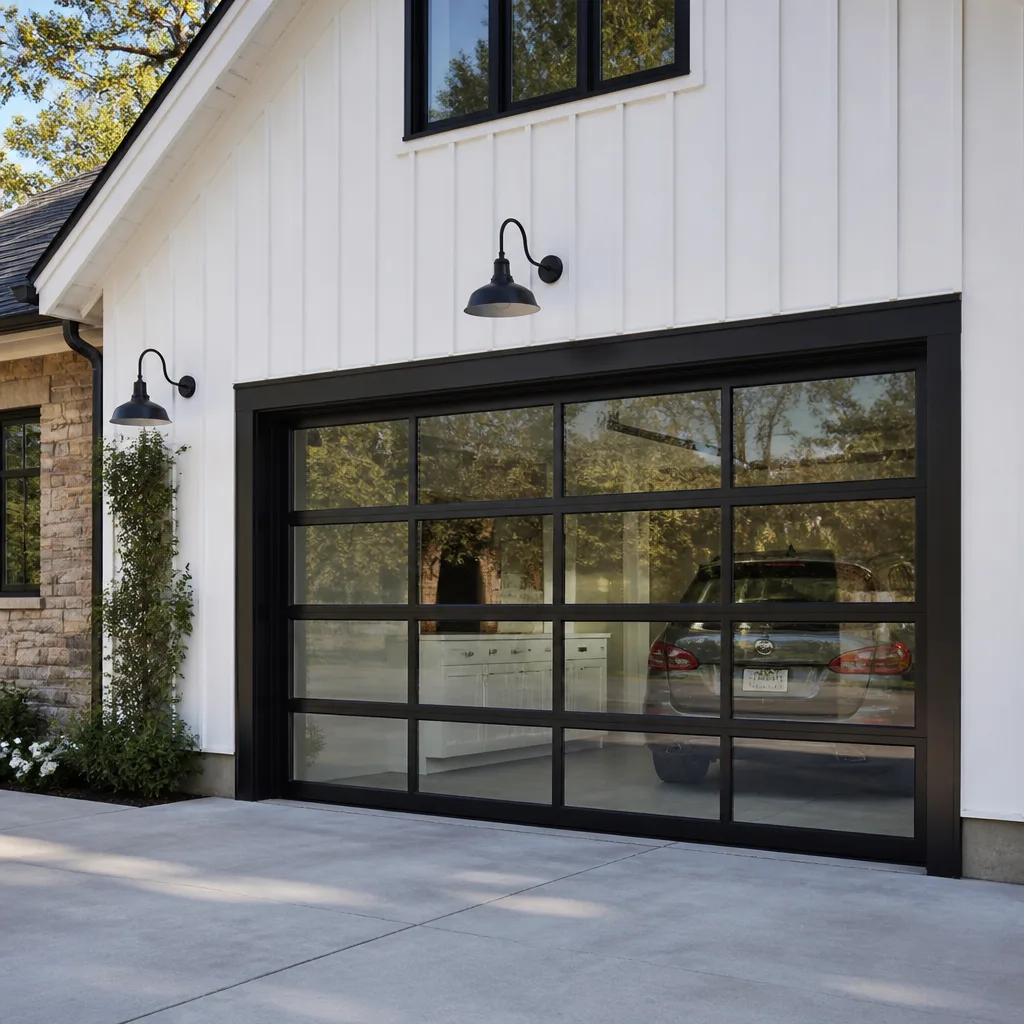 Full-view glass
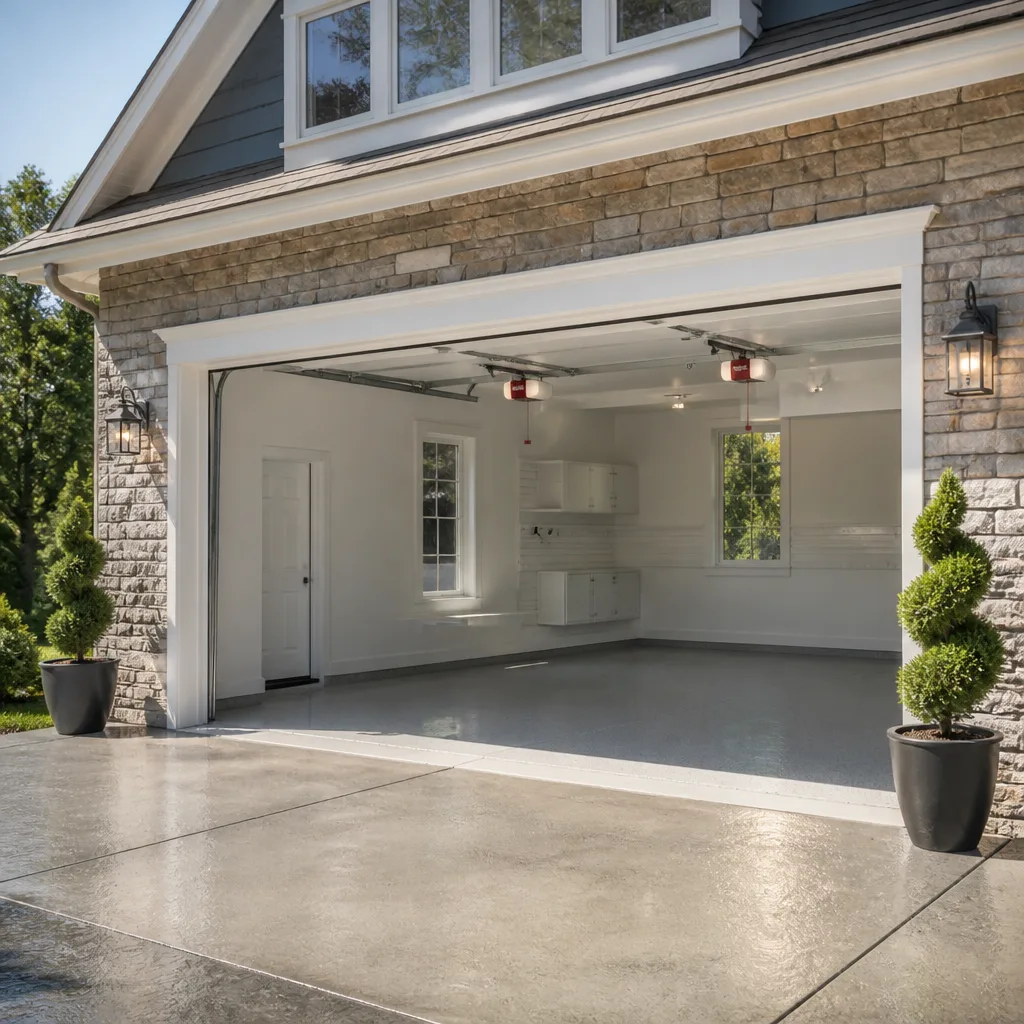 LiftMaster openers
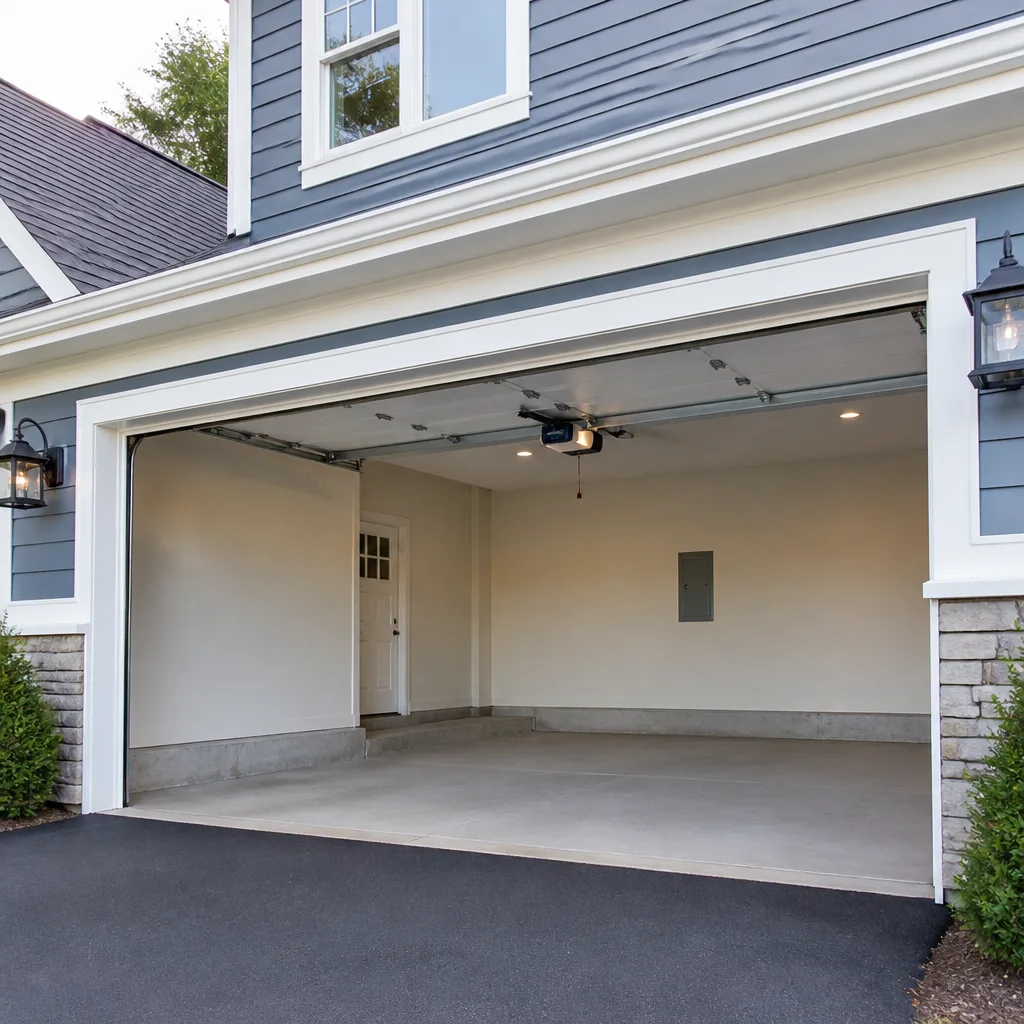 Chamberlain openers
Full 25-point door and opener safety check with every visit - springs, cables, rollers, tracks, and your LiftMaster or Chamberlain opener included
You get a price before we start. It does not change when the pro arrives.
Get your free estimateChoosing the Right Garage Door Brand: A Buyer’s Guide for Hempstead
We’ve replaced 16-gauge doors from nationally advertised brands that corroded in four years and 24-gauge doors from second-tier manufacturers that are still running clean after a decade. The difference wasn’t the logo stamped on the panel. It was galvanized hardware and factory-applied weather coating. Buying a garage door in Hempstead means buying a steel-and-hardware system that has to survive humid summers, freeze-thaw swings, and years of driveway splash. Brand reputation is real, but it rides on the specs underneath it. This guide walks through steel gauge, corrosion treatment, opener compatibility, warranty terms, and the two brands we see fail most in Hempstead’s climate. You’ll finish knowing exactly what to ask for before you sign.
Quick Answer
The best garage door brand in Hempstead is the one whose panel gauge matches your use, whose hardware carries a real corrosion treatment, and whose warranty covers parts you can actually source in Nassau County. Steel gauge (24-gauge versus 16-gauge), spring system type, and corrosion treatment on hinges, rollers and tracks matter more than the name on the panel. Clopay, Amarr, Wayne Dalton, and Raynor all make doors that hold up when the specs are right; matching the door to a LiftMaster, Chamberlain, or Genie opener is the other half of the decision.
Styles & brands we work with
- Raised-panel steel
- Carriage house
- Modern flush
- Full-view glass
- LiftMaster openers
- Chamberlain openers
Table of Contents
- Why Brand Is the Wrong Place to Start
- What Steel Gauge Actually Means for Hempstead Doors
- Corrosion Treatment: What to Look For on the Spec Sheet
- Opener Compatibility: LiftMaster, Chamberlain, Genie and Your Door
- Warranty Terms That Actually Matter
- The Two Brands We See Fail Most in Hempstead – and Why
- Spring Systems: The Part Brand Doesn’t Cover
- How to Build Your Shortlist in Five Steps
Why Brand Is the Wrong Place to Start
Brand is a shortcut for quality, not a guarantee of it. Manufacturers build door lines at several price points, and the same company name can sit on a builder-grade 25-gauge door and a heavy 16-gauge insulated door. If you shop by logo alone, you’re picking a family, not a product. In Hempstead, where humidity runs high through summer and winter brings freeze-thaw cycling on driveways and door tracks, the floor-grade spec sheet is what determines how long the door lasts.
Start with three questions instead of a brand. First, how thick is the steel? Second, what protects the metal from moisture once it’s installed? Third, if a hinge, roller or cable fails, is a replacement part stocked and serviceable locally in Nassau County? The brands that win on all three are rarely the ones with the loudest advertising.
The marketing side isn’t useless, though. Brand recognition usually reflects a network of trained installers and a parts pipeline. That’s why garage door repair on a well-supported brand tends to move faster than repair on an orphaned door line, because parts are available and techs have seen the specific failure modes before. When we look at a branded door in Hempstead, the advantages we see are usually about serviceability, not panel durability. And serviceability is worth something when you’re the one waiting on a truck.
What Steel Gauge Actually Means for Hempstead Doors
Steel gauge is the thickness of the metal skin on the door panel. Lower gauge numbers mean thicker steel. A 16-gauge door is considerably sturdier than a 24-gauge door, and that difference shows up in dent resistance and long-term stability under temperature swings.
In a typical Hempstead summer, a south-facing garage door can heat up and expand. In January, it contracts again. This happens across hundreds of cycles over the door’s life. Thin steel works harder during those cycles: it flexes, panel seams crack, and factory coatings micro-fracture faster. Thicker steel holds its shape longer. That’s why we see heavier doors stay level and clean through temperature swings that leave thinner doors looking tired.
Gauge by Use Case
- Builder-grade 25-gauge or 24-gauge: cheapest, light, most dent-prone; fine for a rental property where replacement cost drives the decision.
- 24-gauge or 23-gauge insulated: the working middle of the market; adequate where the door isn’t hit and doesn’t face the worst weather.
- 16-gauge or heavier: what you want if the door faces the street, lives near a driveway where a car can bump it, or you want the panels to still line up in year ten.
Gauge alone doesn’t decide durability, though. You also need to check the interior structure: whether it’s a solid core, a strutted panel, or a hollow steel facing. A 24-gauge door with proper struts will outperform a poorly braced 16-gauge door on wind loads. Ask for the spec sheet, not just the nameplate. That’s the difference between garage door repair that’s routine and repair that’s unavoidable.
Corrosion Treatment: What to Look For on the Spec Sheet
Corrosion is the quiet killer of garage doors in Hempstead. It doesn’t happen overnight. It shows up as pitting along the bottom panel, brown streaks below hinge points, seized rollers, and stiff torsion bars. By the time a homeowner calls us about a door that “won’t go up smoothly,” the failure is often corrosion-driven rather than mechanical.
What matters isn’t how the door looks out of the box. It’s how the hardware is finished. This is where brands separate. Look for these on the spec sheet:
- Galvanized or zinc-plated hinges and tracks. This is the baseline. Painted steel hardware rusts quickly in humid conditions.
- Factory-applied baked-on paint or powder coat. A coating baked on at the factory bonds to the metal. Spray-applied finishes don’t.
- Stainless or coated fasteners. A door with zinc hardware and untreated screws will show rust at the screws first.
- Bottom weather seal with drainage channels. Moisture sitting against the bottom panel is what kills doors in a place with frequent rain and snow melt.
- Warranty language on hardware. A manufacturer willing to warranty hinges and rollers separately from panels is telling you something.
Some manufacturers use their own branded names for the corrosion treatment. That’s not a red flag; the finish name matters less than the base metal underneath. A door with galvanized hinges and baked-on coating from a mid-tier brand will outlast a premium-name door with painted hardware every time. We’ve seen exactly that in Hempstead, more than once.
Opener Compatibility: LiftMaster, Chamberlain, Genie and Your Door
Garage door openers and garage doors aren’t one system. They’re two systems that have to work together. The question every Hempstead homeowner should answer before buying a door is: which opener will drive it, and will that opener handle the door’s weight and balance?
Most residential openers in Nassau County come from three families: LiftMaster, Chamberlain, and Genie. All three can run most modern sectional doors, but compatibility issues show up in specific areas:
- Door weight and opener horsepower. A heavy 16-gauge insulated door may need a stronger opener than a builder-grade door. A Genie or Chamberlain rated for a lighter door will strain if paired with a heavier one.
- Safety sensor compatibility. LiftMaster and Chamberlain share many components because they’re part of the same corporate family. If you’re mixing brands with a Genie opener, sensor wiring can be fiddlier and cost more in labor.
- Smart-home integration. LiftMaster’s myQ platform is more tightly integrated with certain door lines. Chamberlain runs on the same platform. Genie has its own smart-control ecosystem. Mixing a Genie opener with a door prepped for a different controller sometimes means separate remotes and separate apps.
- High-lift and low-headroom installations. The opener has to be matched to the door’s travel, not just its weight. Some garage configurations in Hempstead’s older housing stock are tight on headroom and need specific opener models.
If you already have an opener you like, tell the installer before ordering the door. If you’re buying both fresh, choose the door first and let the opener follow. Our garage door opener repair calls often start with an incompatible pairing that a buyer was never warned about.
Warranty Terms That Actually Matter
A warranty isn’t a guarantee. It’s a set of promises with conditions attached. The ones that matter in Hempstead are those covering parts most likely to fail here: hardware, springs, and the finish. Panel warranty terms sound impressive but are rarely the reason a door comes down.
Here’s what to look for in any manufacturer’s warranty packet:
- Years on panels vs. years on hardware. A 20-year panel warranty paired with a 1-year hardware warranty tells you where the manufacturer expects wear.
- Finish and corrosion coverage. Some brands cover paint bubbling and rust perforation for several years; others specifically exclude it. “Excludes corrosion from normal weathering” is the clause that usually gets invoked.
- Parts availability. A warranty is only useful if the parts exist. The best brands with the cleanest paperwork are the ones whose rollers, hinges and spring kits are stocked with local suppliers in Nassau County. Brands that require factory ordering can push a repair into weeks rather than days.
- Labor terms. Most manufacturer warranties cover parts only. Installation labor falls to whoever installed the door, and the terms of that labor coverage are set by the installer, not the brand.
Read the exclusions page first, not the headline number. That’s where the answer to “will this warranty actually help me?” usually lives. And keep your paperwork; a warranty is only useful if you can prove what was installed and when.
The Two Brands We See Fail Most in Hempstead – and Why
We work on all eight major brands: LiftMaster, Chamberlain, Genie, Clopay, Amarr, Wayne Dalton, Craftsman, and Raynor. Our opinions here aren’t brand loyalty; they’re what fails on our calls. Two patterns stand out in Hempstead, and both involve doors from well-known manufacturers.
Clopay-style builder-grade steel doors in humid, freeze-thaw conditions. Clopay makes some genuinely solid doors at the high end, but the builder-grade 25-gauge units sold at big-box prices use lightweight hardware and ungalvanized hinge plates. In Hempstead, where humidity is high through the summer and the driveway is often wet from rain or snow melt, these hinges rust through in a handful of years. The panels themselves are usually fine. The hardware underneath is what gives out. If you buy Clopay, buy their heavier panel lines, not the entry-level.
Amarr doors with sealed bearing plates and painted steel springs. Amarr builds a well-regarded door, but some of their mid-tier lines use painted steel springs and hinges that fail faster under salt-free but persistently damp conditions. Combined with our temperature swings, the springs fatigue faster than the panel warranty suggests. It’s not the door’s fault; it’s the spec mismatch. Order Amarr with galvanized hardware and stainless spring ends, and the failure mode disappears.
Neither of these is a knock on the manufacturer. Both are examples of a common buyer mistake: paying for a brand name and getting a hardware package designed for a dryer climate. The fix is in the spec sheet.
Spring Systems: The Part Brand Doesn’t Cover
No door brand manufactures its own springs. Torsion springs and extension springs are supplied by spring manufacturers and matched to the door’s weight at installation. This is why spring failure is so common and why brand loyalty offers no protection when the spring goes.
In Hempstead, springs get worked hard by temperature swings. A properly sized torsion spring rated for the door’s actual weight, installed with the right cycle rating, lasts. An undersized spring on a heavier door will fail prematurely no matter whose name is on the panel. When you order a door, ask specifically:
- What cycle rating are the springs being supplied?
- How is the spring matched to the actual door weight?
- Are spring hardware (drums, cables, bearing plates) galvanized or stainless?
- What happens on warranty if a spring fails inside the warranty period?
Springs are also the most dangerous part of any garage door system. Torsion springs carry enough stored energy to cause serious injury, and adjusting them is not a homeowner task. When one lets go, or when the door starts struggling to lift, call a trained technician rather than feel around for the problem yourself. Our garage door spring repair team handles these as a dedicated service because they’re a category of repair, not an afterthought. We aren’t a general handyman shop; we’re garage door techs who work on springs, openers, panels and full installs on every call.
How to Build Your Shortlist in Five Steps
You don’t have to pick a brand and hope. Work this order and the right door usually surfaces on its own.
- Match the door to how you use the garage. A daily-driver door needs heavier gauge and better hardware than an occasional-access door. Insulation, window placement and gauge all follow this decision.
- Read the spec sheet, not the brochure. Look for the exact gauge, the hardware finish (galvanized or stainless), the spring cycle rating, and the finish coating. If the spec sheet doesn’t state these, ask.
- Confirm parts availability in Nassau County. A door whose parts are stocked locally is a door that gets repaired fast. A door whose parts are special-ordered is a door that gets repaired eventually. Ask the installer to name the manufacturers they can source from quickly.
- Pair the door with the opener before ordering. Confirm the opener model can handle the door’s weight and travel. If you’re keeping an existing LiftMaster, Chamberlain or Genie opener, say so up front.
- Get the warranty in writing and read the exclusions. Panels covered for 20 years means very little if hardware drops out at year two. Look for coverage that addresses corrosion and springs.
At the end of this, you’ll usually have two or three candidates. Any of them will work if the specs are right. That’s the point: once the numbers line up, the brand on the panel stops being the deciding factor.
Common Mistakes to Avoid
- Buying on brand name alone. A well-known logo on a builder-grade 25-gauge door doesn’t make the door durable. Look at the spec sheet the way you’d look at a tire rating.
- Skipping the corrosion question. In Hempstead’s humid summers and freeze-thaw winters, painted steel hardware is the first thing to go. Ask what finish is on the hinges and tracks before you sign.
- Picking the opener after the door is ordered. Opener compatibility is easier to solve before the door ships than after. Confirm the opener can handle the weight and travel.
- Reading the panel warranty and not the hardware warranty. A 20-year panel warranty with a 1-year hardware warranty tells you exactly where the manufacturer expects wear.
- Assuming springs come with the brand. No door manufacturer makes its own springs. Ask about cycle rating and galvanizing as separate line items.
- Ignoring parts availability in Nassau County. A brand that requires factory-ordered hinges takes weeks to repair. Ask the installer which brands they can source reliably for fast turnaround.
- Forgetting that the garage is the biggest opening in the house. In Hempstead, that opening faces rain, wind and temperature swings year-round. Buy a door built to close that gap properly, not the cheapest one that fits the frame.
See the difference
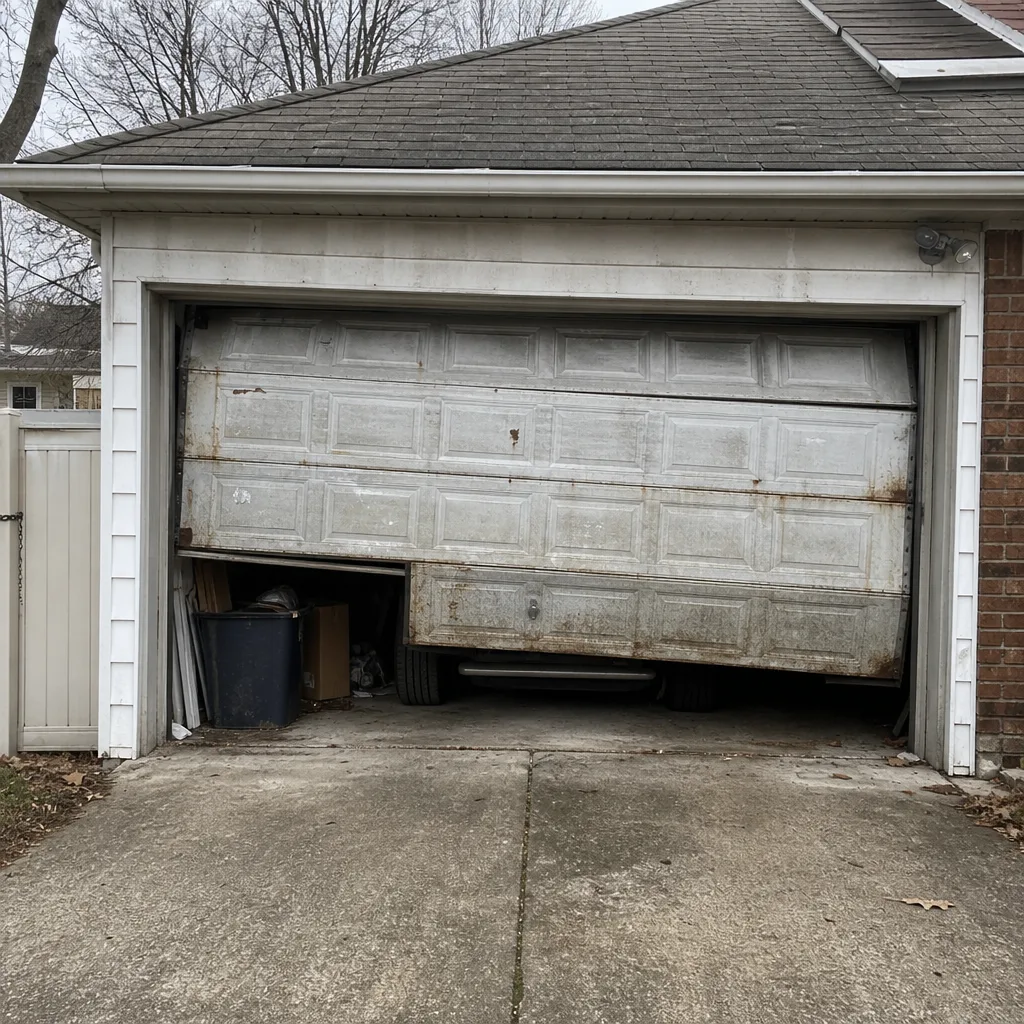 Before
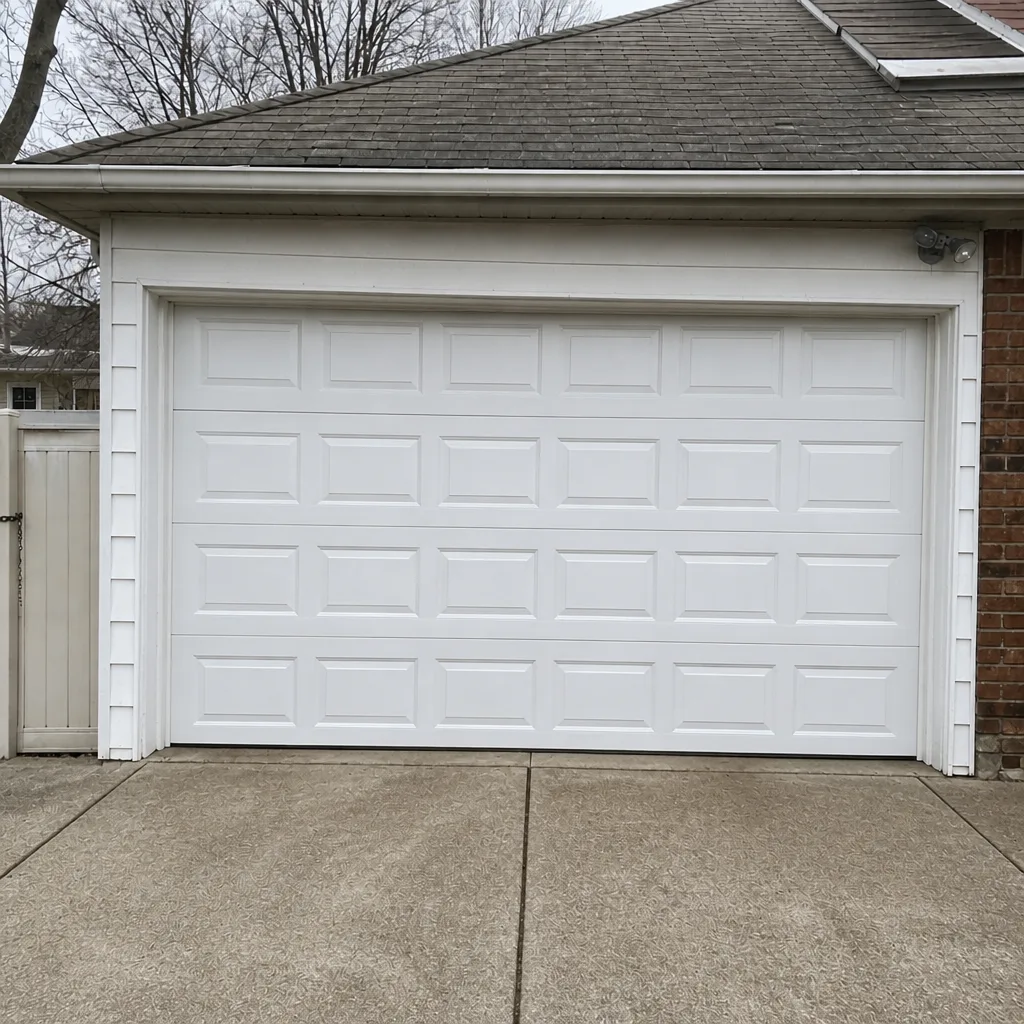 After
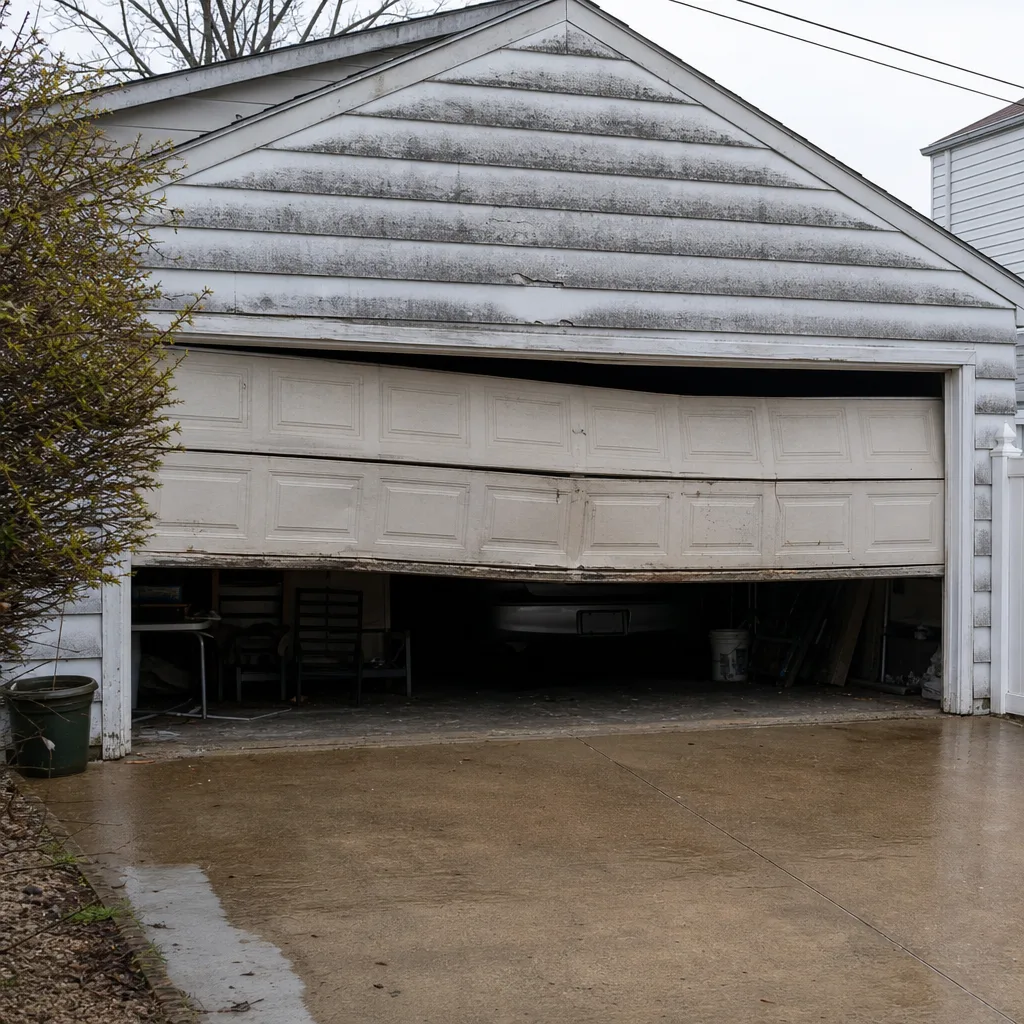 Before
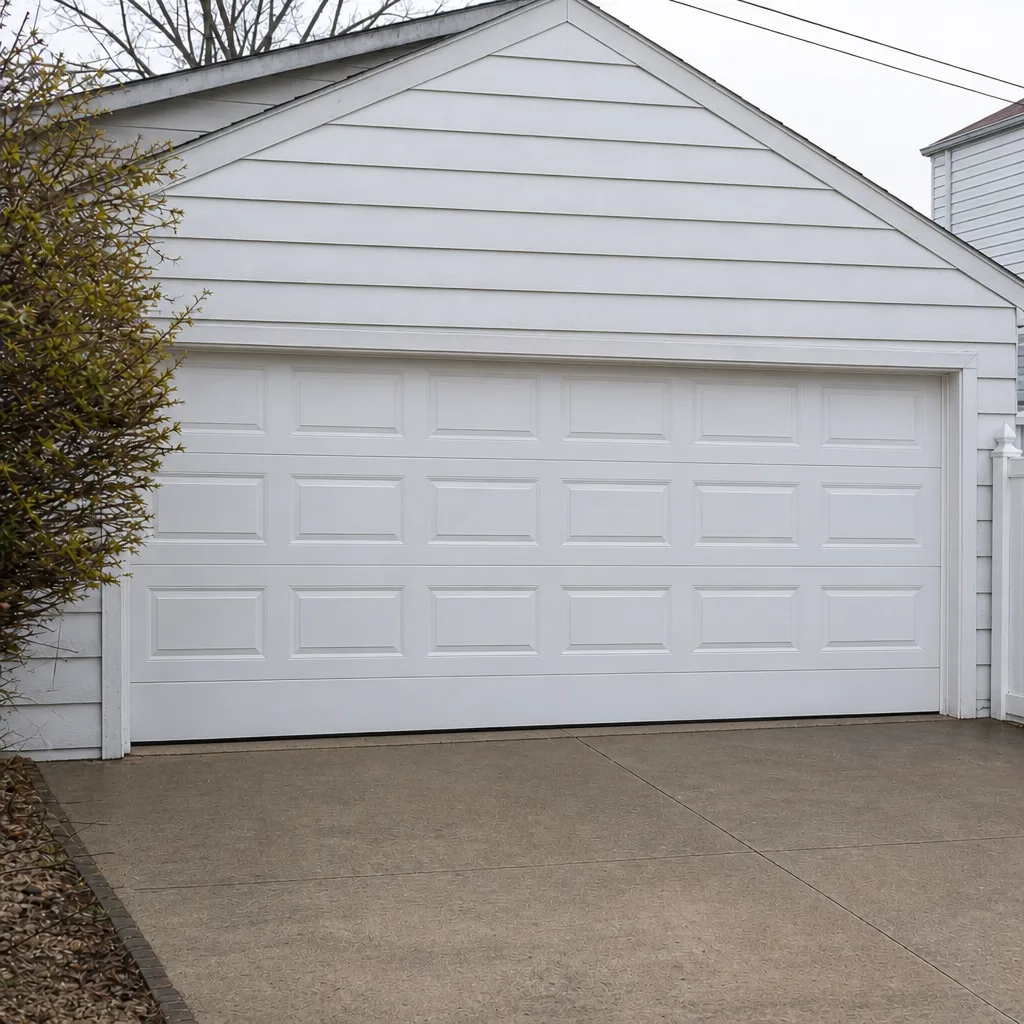 After
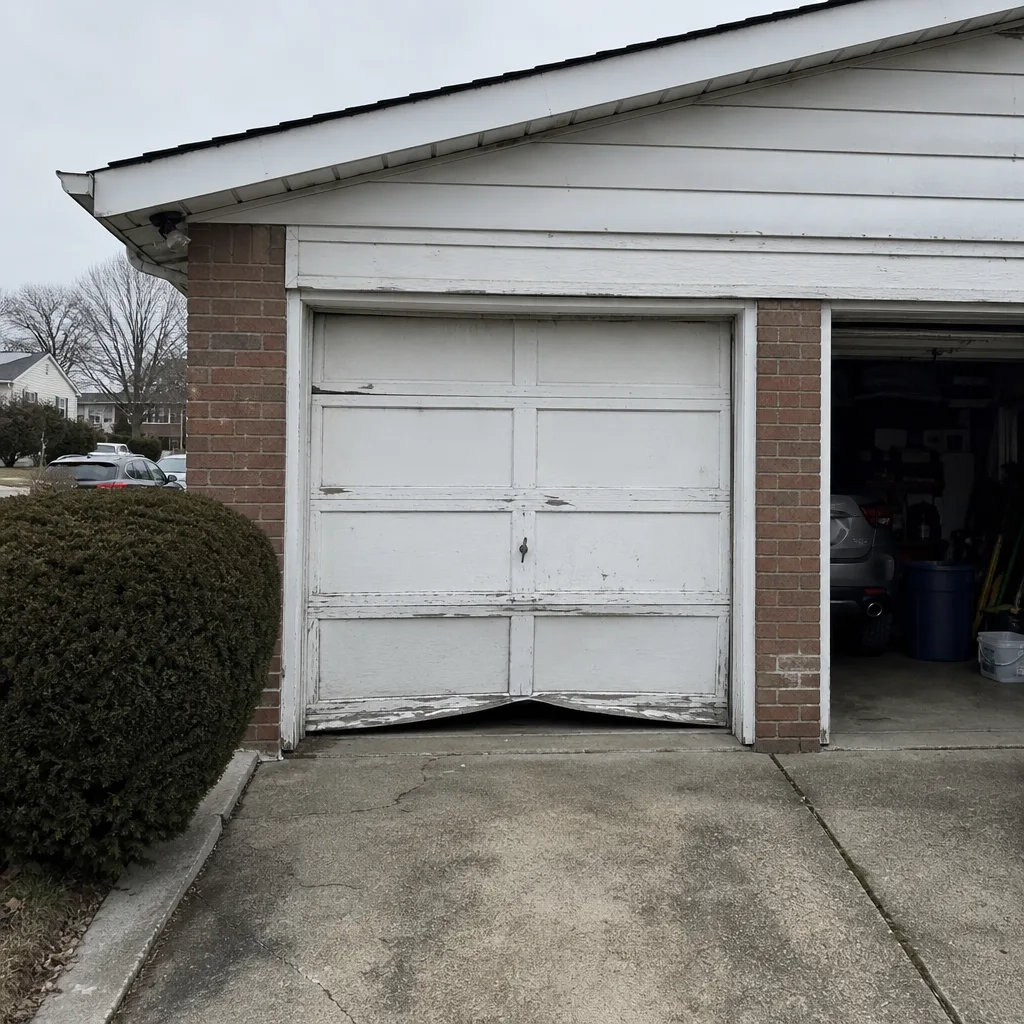 Before
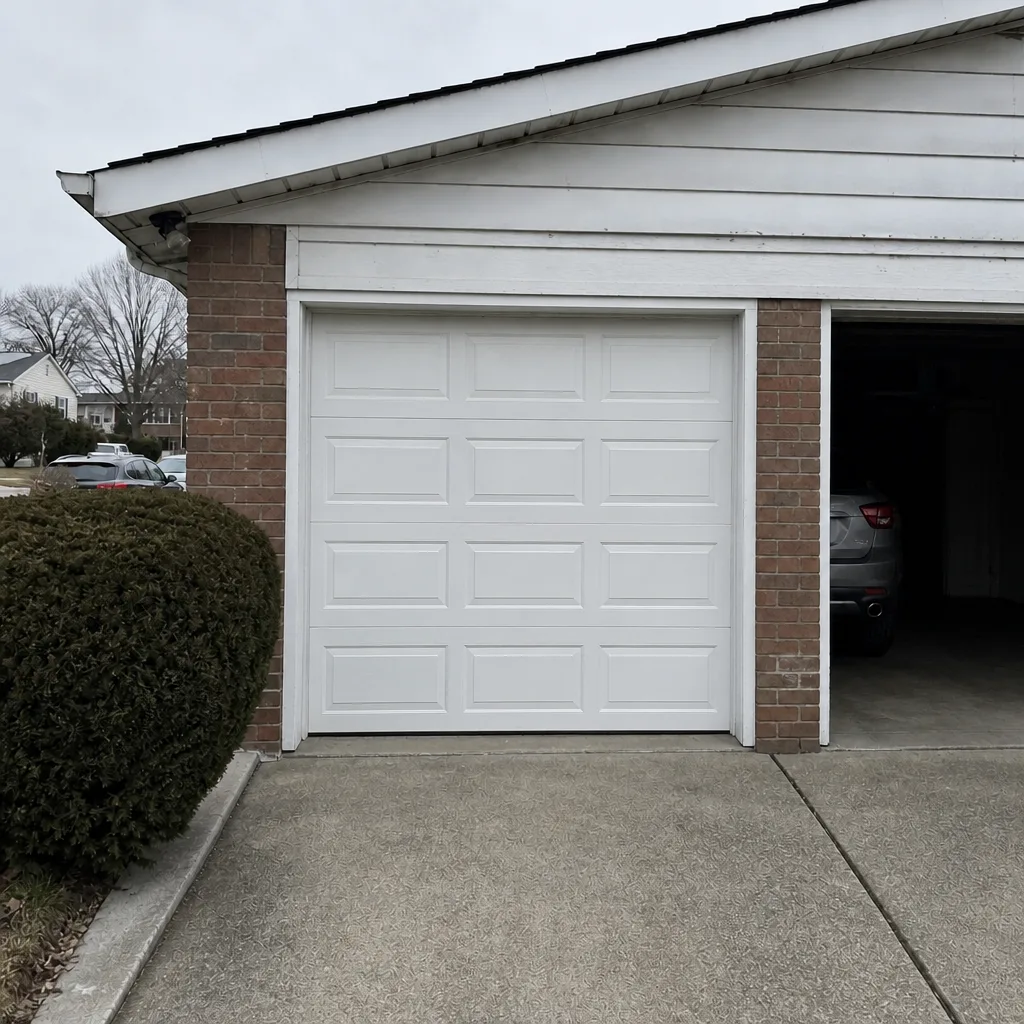 After
When to Call a Professional
Brand research tells you which door to buy. It doesn’t tell you whether the door in your driveway can be saved or needs to be replaced. That’s a measurement call. Situations that bring us out to a Hempstead garage usually fall into a few clear categories: the door won’t open or close reliably, a spring has snapped and the door is dead weight, the opener hums but the door doesn’t move, a panel has been hit and the tracks have bent, or the door is old enough that the hardware has started failing faster than the panels. In any of those cases, professional eyes on the system are worth more than a spec sheet.
Our technicians have up to 8 years of experience, we’re factory-familiar with eight brands including LiftMaster, Chamberlain, Clopay, Amarr, Wayne Dalton, Craftsman, Genie and Raynor, and we handle diagnosis, spring repair, opener work and full installs in a single call. Hempstead Garage Door Repair Pros offers free estimates in Hempstead – call (844) 443-3818. Every price is quoted and agreed before any work starts, and the written estimate is what sets the final price.
Frequently Asked Questions
There isn’t one universally best brand; the best door for Hempstead is the one with the right steel gauge, galvanized or stainless hardware, and a finish coating baked on at the factory. Clopay, Amarr, Wayne Dalton and Raynor all make doors that hold up here when they’re specified properly. Buy the spec sheet, not the logo. Call (844) 443-3818 for a free estimate on a door matched to your garage.
Yes, significantly. Thicker steel (lower gauge number) holds its shape through temperature swings, resists dents, and keeps panel seams tight longer. In Hempstead, where summers are humid and winters cycle through freeze-thaw, a 16-gauge door will outlast a builder-grade 24-gauge door by years. That’s the closest thing to a guarantee you’ll find. Call us for a free estimate if you want a gauge recommendation for your specific door opening.
LiftMaster and Chamberlain work with most modern Clopay and Amarr doors with minimal adjustment; the two brands share much of their control architecture. Genie works as well, though sensor wiring and smart-control integration can require more setup. The real deciding factor is matching the opener’s horsepower to the door’s weight and travel. Our garage door opener repair techs can confirm pairing before you buy. Call (844) 443-3818 for a free estimate.
Both are reliable when specified correctly. The failure pattern we see locally isn’t brand-specific; it’s hardware-specific. Builder-grade hardware from either brand will rust and seize faster in Nassau County’s humid climate than galvanized hardware will. Order the right spec and both brands wear well. Our garage door repair team can tell you what’s likely to fail on a specific model. Free estimates – call (844) 443-3818.
No. Springs are supplied by spring manufacturers and matched to the door’s weight at installation. That’s why brand loyalty doesn’t protect you when a spring goes – and it’s why we treat garage door spring repair as a dedicated service. Springs are also the most dangerous part of the system; they carry enough stored energy to cause serious injury, so have a trained technician handle them. Call (844) 443-3818 for a free estimate.
No. The written estimate is the price. We quote and agree on the price before any work starts, and that’s the number you pay. If we discover something during the job that changes the scope – a bent track, a damaged cable – we stop and re-quote before proceeding. Call (844) 443-3818 for a free estimate, and the quote you receive is the one that stands.
The Bottom Line
Brand names matter less than the three things that actually determine how long a garage door lasts in Hempstead: steel gauge, spring system quality, and the corrosion treatment on hinges, tracks and fasteners. Buy by gauge (16-gauge or heavier for daily use), confirm galvanized or stainless hardware on the spec sheet, pair the door with an opener in the LiftMaster, Chamberlain or Genie family before you order, and read the warranty exclusions before you sign. Clopay, Amarr, Wayne Dalton and Raynor all make doors that hold up here when specified well. The brand on the panel is the last thing to look at, not the first.
If you’re still deciding, Hempstead Garage Door Repair Pros offers free estimates in Hempstead. Call (844) 443-3818 to talk through your door and get a written quote before you commit.
Written by the team at Hempstead Garage Door Repair Pros.