Last updated November 23, 2026
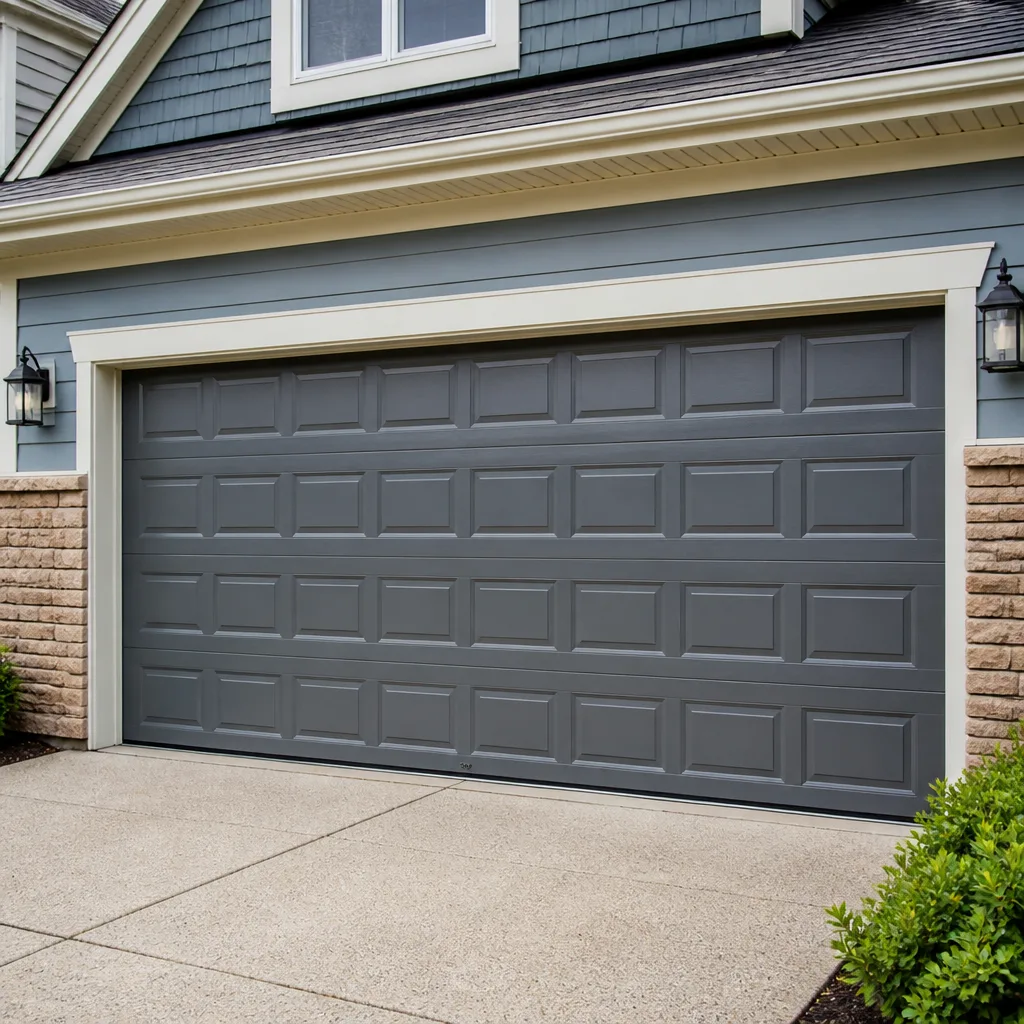 Raised-panel steel
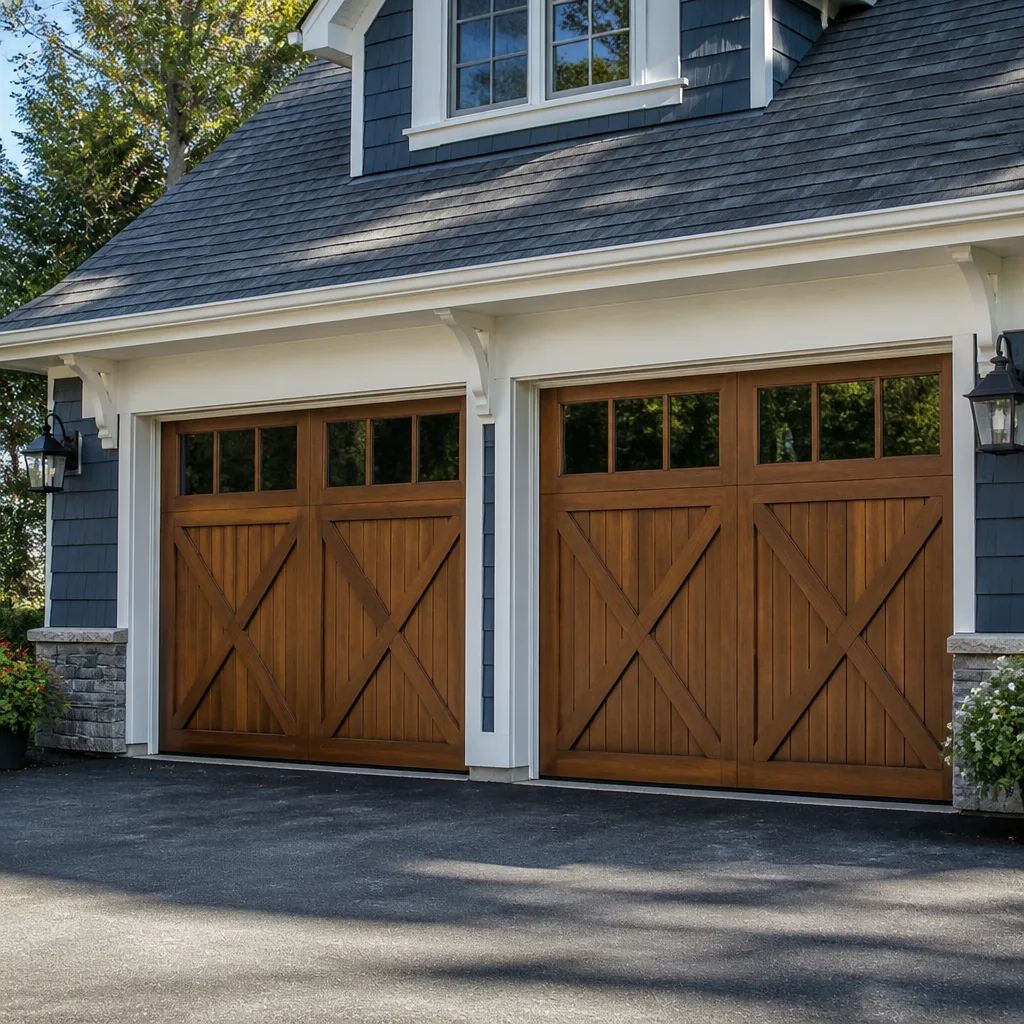 Carriage house
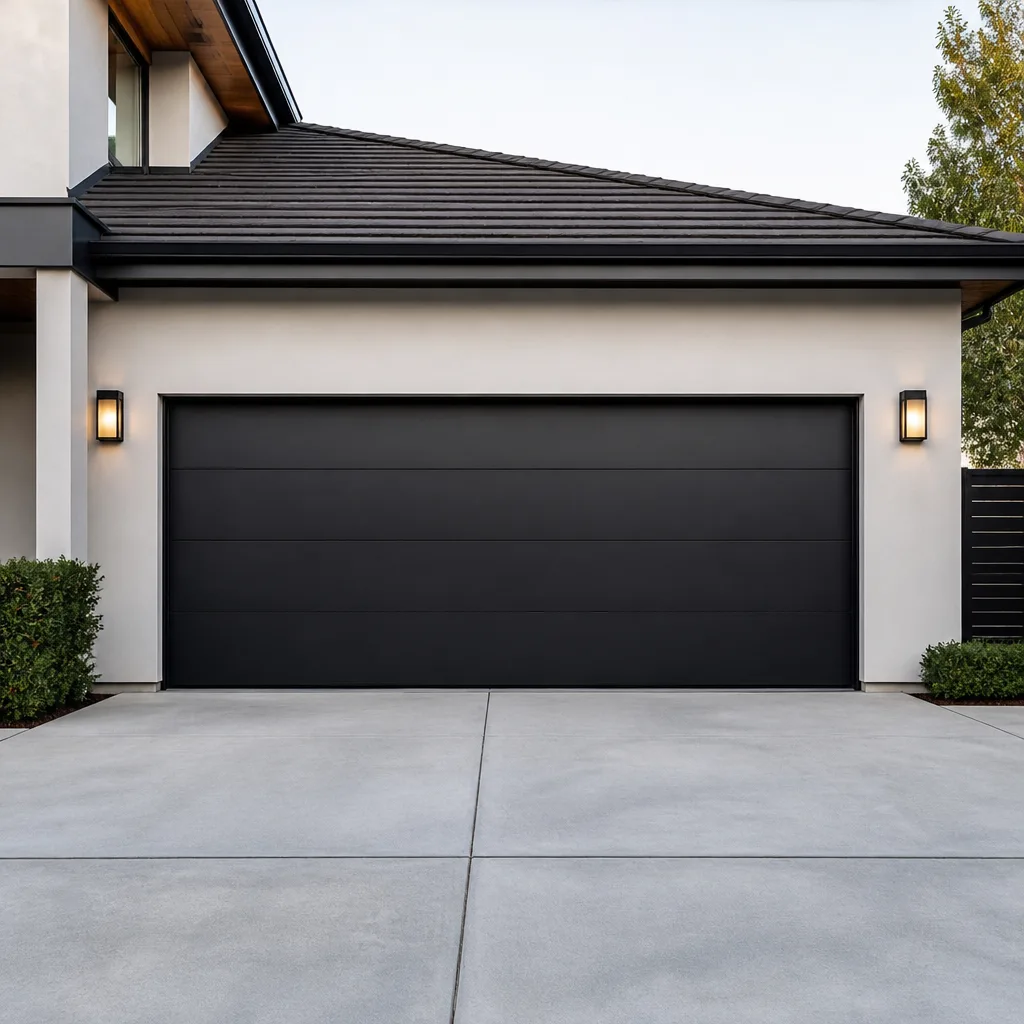 Modern flush
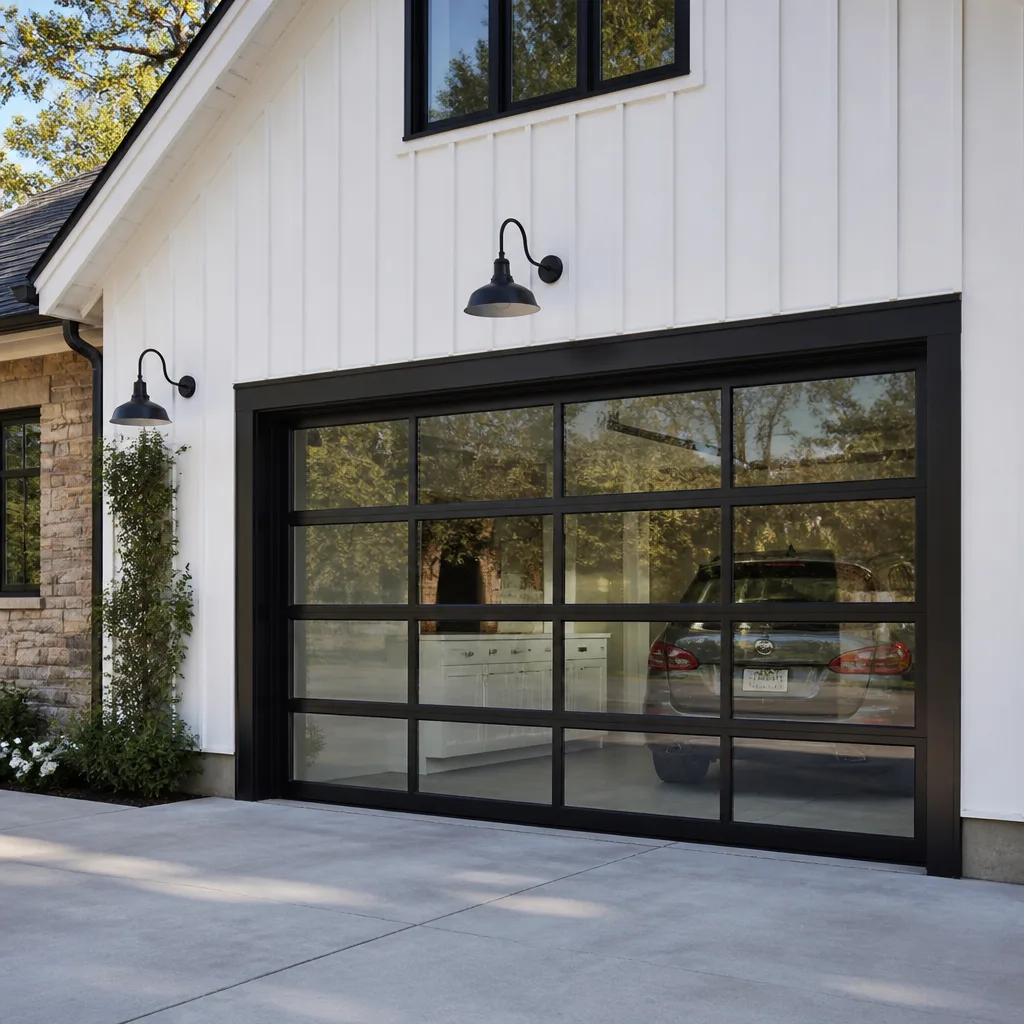 Full-view glass
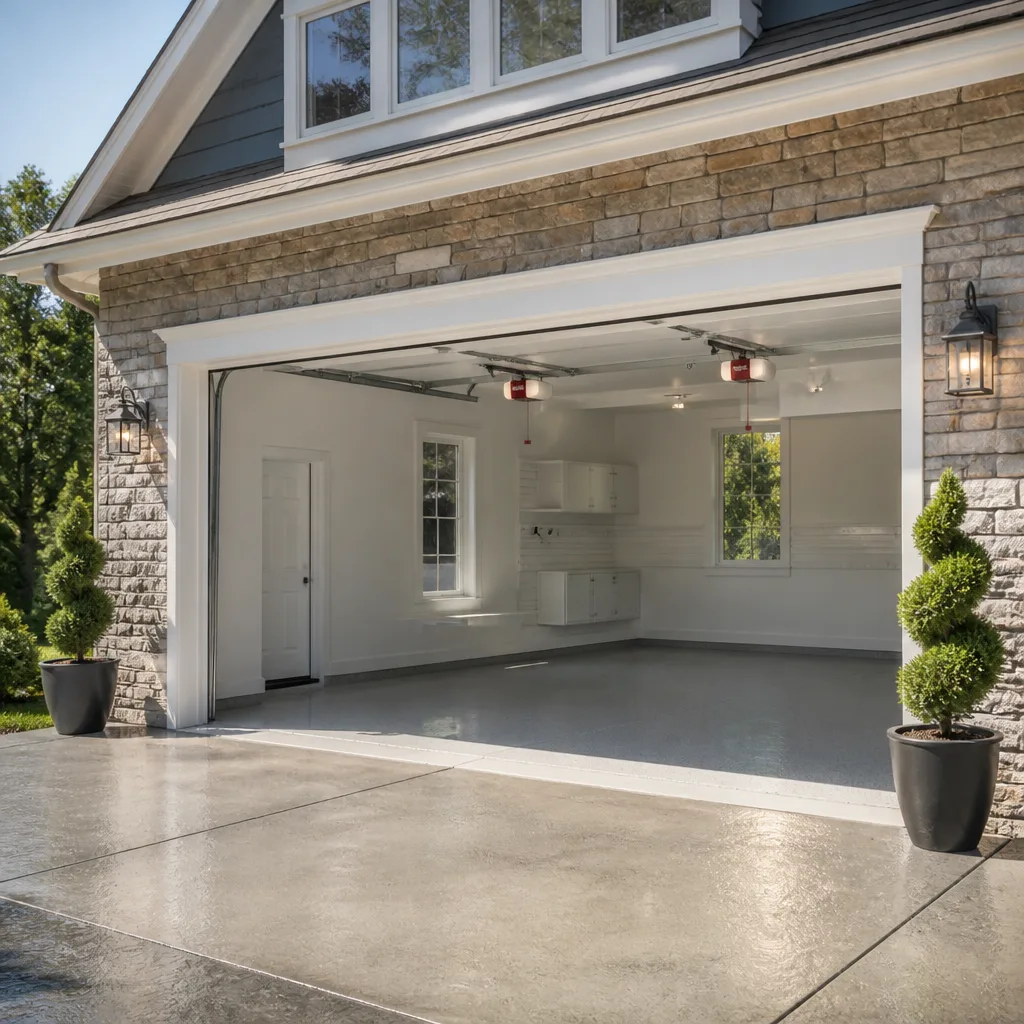 LiftMaster openers
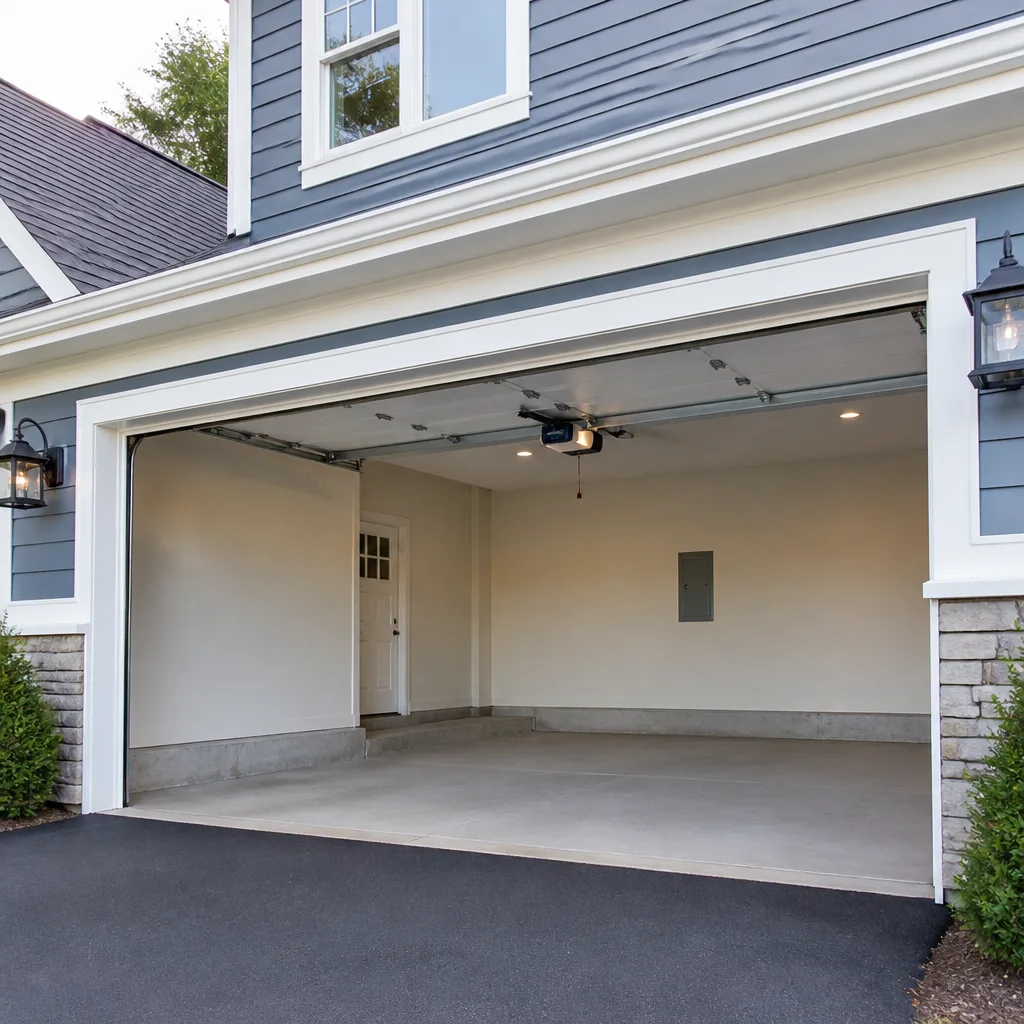 Chamberlain openers
Full 25-point door and opener safety check with every visit - springs, cables, rollers, tracks, and your LiftMaster or Chamberlain opener included
You get a price before we start. It does not change when the pro arrives.
Get your free estimateHow to Hire a Garage Door Contractor in Hempstead: A Step-by-Step Guide
The most common complaint we hear from new customers is that the last technician “fixed” the door but couldn’t tell them what they replaced or why – and within six months, something else failed for the same underlying reason. That pattern isn’t bad luck. It’s the signature of a generalist who guessed. Hiring well in Hempstead starts earlier than most homeowners think: it starts with what a contractor can tell you on the phone, before anyone pulls into your driveway. This guide walks through the phone-call questions that expose a specialist, the licensing realities in New York State, the storm-chaser red flags that show up here after nor’easters, and how to read a quote line by line so you know exactly what you’re paying for and why.
Quick Answer
To hire a garage door contractor in Hempstead, ask three things before you book anyone: what brand and model your opener is, what spring type and size your door likely uses, and which local permit or code requirements apply to your job. A true specialist can answer all three from your description over the phone. A generalist will say “we’ll figure it out on-site.” Get a written, line-itemed estimate before work starts, confirm the crew works on garage doors only, and ask what happens if the diagnosis changes once the door is opened up. That single conversation filters out most of the contractors you don’t want.
Styles & brands we work with
- Raised-panel steel
- Carriage house
- Modern flush
- Full-view glass
- LiftMaster openers
- Chamberlain openers
Table of Contents
- The Three Phone-Call Questions That Separate Specialists From Generalists
- What Licensing Actually Applies to Garage Door Work in New York
- Storm-Chaser and Door-to-Door Red Flags in Hempstead
- How to Read a Garage Door Quote Line by Line
- Why Three Quotes for a Spring Can Be Worse Than One Right Call
- What to Ask Before You Sign
- Spring Work and Safety: What a Real Expert Will Tell You
- Common Mistakes to Avoid
- When to Call a Professional
- Frequently Asked Questions
The Three Phone-Call Questions That Separate Specialists From Generalists
Before you schedule anyone, describe your door to them and listen. The first sixty seconds of a call tell you everything about whether you’re talking to a garage door specialist or someone who does doors “among other things.” In our experience, a contractor who works on doors every day recognizes the symptoms immediately; a handyman starts guessing.
Here are the three questions to ask, and what a good answer sounds like:
- “My opener is a [brand] – can you tell me what that brand usually does when it fails?” A multi-brand specialist will answer specifically. A LiftMaster or Chamberlain unit from certain years, for instance, has a known failure pattern with its logic board or travel limits. A Genie has its own. A contractor who works across LiftMaster, Chamberlain, Genie, Clopay, Amarr, Wayne Dalton, Craftsman, and Raynor will recognize the pattern from the model you name. A generalist will say “we’ll test it when we get there.”
- “My door feels heavy when I lift it and the opener strains. What spring do you think I have?” This is the torsion vs. extension spring question, and it’s the fastest diagnostic in the trade. If they can’t tell you roughly what spring configuration your door type carries before they arrive, they don’t work on springs often enough to know.
- “What permit or code requirements apply to this job in Hempstead?” A local specialist will know that permitting and code questions go to the Town of Hempstead building department, and they’ll tell you whether your job is the kind that typically needs a permit or not. If they say “no permits ever needed for garage doors,” they’re either guessing or lying to keep you on the phone.
These three questions are the cheapest filter you will ever run. If the answers are vague, keep calling. If they’re specific and they don’t try to sell you something different from what you asked about, you’ve probably found your contractor. If you’d rather skip the vetting, you can call us and go straight to a specialist – Hempstead Garage Door Repair Pros.
What Licensing Actually Applies to Garage Door Work in New York
New York State does not issue a single statewide “garage door contractor” license. There’s no state board that stamps a credential for this specific trade the way there is for electricians or plumbers. What applies instead is a patchwork: local municipal licensing rules, general business registration, insurance requirements, and the practical fact that most reputable garage door companies carry liability coverage and workers’ compensation even when the law doesn’t strictly demand it for a one-truck operation.
What this means for a Hempstead homeowner is simple. Any contractor who flashes a “licensed and insured” badge and implies it’s a state-level garage door credential is overselling it. The honest version from a real contractor sounds more like this:
- “Our technicians are experienced and the local pro is licensed and insured as their state requires.” That’s the phrasing that’s actually true.
- We carry liability coverage and workers’ compensation because we don’t want you exposed if something goes wrong on your property.
- We follow the local building department’s rules on permits – and we’ll tell you when we think your job needs one.
If a contractor won’t put their insurance information in writing, that’s the warning sign. Ask them to send a certificate of insurance before work begins. A real business will have it back to you the same day. A fly-by-night operator will stall. Hempstead sits inside the Town of Hempstead, and local rules can shift from one unincorporated area to another, so if you’re ever unsure whether your job needs a permit, one phone call to the town building department settles it in minutes.
Storm-Chaser and Door-to-Door Red Flags in Hempstead
After a nor’easter rolls through Long Island, a certain kind of contractor shows up in Hempstead neighborhoods knocking on doors. Some are legitimate local businesses making a routine stop. Many are not. The pattern is predictable: out-of-area crews with out-of-state plates, high-pressure pitches, cash-only discounts if you “sign today,” and a vanishing act the moment the wind damage gives them an excuse to disappear toward the next town.
The red flags to watch for:
- They came to you unsolicited. A real garage door contractor’s phone rings; they don’t need to walk your block. A door-to-door pitch that starts with “we noticed your door looks off” is a sales call, not a service call.
- Cash only, no written estimate. If they want cash up front and won’t leave you a line-itemed quote, walk.
- Same-day “deals” that expire by dinner. Urgency that’s fabricated to push you into a signature is a marketing tactic, not an emergency.
- No local phone number, no local address, no working website. A real Hempstead-area business has roots you can check.
- They can’t answer a brand question. Ask them what they think is failing on your Amarr or Wayne Dalton door. If they can’t tell you anything brand-specific, they’re not a door specialist – they’re a contractor who happened to be in the neighborhood.
- They “fix” something you didn’t ask about and want to charge for it. That’s upselling disguised as service.
- They pressure you to sign before you’ve read the quote aloud. A real contractor will let you read it twice and call back after you’ve thought about it.
If a nor’easter has actually damaged your door – a panel dented, a track bowed, a spring that snapped under the added strain – that’s a legitimate repair. But hire the contractor you called, not one who showed up. If a storm passes through and you need a garage door repair evaluation, call a specialist directly rather than accepting an unsolicited knock.
How to Read a Garage Door Quote Line by Line
A written garage door quote has five or six lines that will tell you within ten seconds whether you’re dealing with a straight operator. Here’s what each line should and shouldn’t say.
Labor. Labor should include the full job: diagnosis, disassembly, installation, adjustment, testing, and cleanup. What it should not include is a separate line for “diagnostic fee” that then gets waived if you buy. If a contractor charges a diagnostic fee and then folds it into the job, that’s fine – just make sure the total reflects it. If they charge a diagnostic fee and then the labor line is still full price, ask why.
Parts markup. Every contractor marks up parts. The question is how much. A reasonable markup covers sourcing, storage, and the risk of a part being wrong on the truck. A markup that doubles the part cost with no explanation is a sign you’re paying for the sales process, not the door. Ask them to show you the parts price as a separate line. A confident contractor will.
Spring pricing. A spring quote for a single torsion spring is one thing. A matched pair is usually replaced together, so a pair costs roughly twice a single. If you see one price and no clarity on whether that’s one spring or both, ask. That single question separates an honest quote from an ambiguous one.
The line items that signal upselling. Watch for “safety tune-up,” “precision adjustment,” “lubrication service,” or “door balancing” charged as add-ons when they’re part of any complete repair. A real repair includes balancing and safety testing because it has to – if the door isn’t balanced, the opener will strain and fail again. Charging extra for something that’s required for the repair to work is upsell.
The written estimate. Every line should have a number, a description, and a total. And the price you agree to before work starts is the price you pay. If something changes, that change should be in writing before anyone touches the door. Ask that question directly: “If you find something else when you open it up, what happens to the price?” A good answer is: “We stop, we show you, we give you a revised written quote, and you decide.”
Why Three Quotes for a Spring Can Be Worse Than One Right Call
The standard advice is “get three quotes.” For a full door replacement, that’s reasonable. For a spring replacement, it can actually produce a worse outcome than simply calling the right person once. Here’s why.
A torsion spring problem is diagnosed in about sixty seconds by someone who knows what they’re looking at. The cost is bounded – there’s a floor and a ceiling – and the job itself is roughly the same across competent contractors. Getting three quotes on a $200-ish job spends three truck-rolls of your time and three diagnostic conversations, and every contractor knows they’re quoting against two others. That pressure rewards the lowest labor number, which too often means the cheapest part, the least experienced technician, or a spring the parts house happened to have on the shelf rather than the one your door actually needs.
The right spring for your door is determined by size, weight, cycle rating, and door height, not by price. A genuinely good spring quote is specific – it names the spring, it names the cycle rating, it explains why that spring fits your door. A cheap quote often doesn’t. What we’ve seen over and over is that the customer who takes the lowest of three gets a spring that fails in half the cycles it should have. The savings evaporates on the second failure.
For a spring replacement in Hempstead, the better approach is to call one contractor and ask them to talk you through the diagnosis. If the answers are specific, book it. If they hedge, move to the next call. That’s faster than three in-person quotes and produces better results. If you want a specialist who diagnoses brand-specific issues and works on spring systems every day, garage door spring repair is a standalone service with us for a reason.
What to Ask Before You Sign
Once you’re down to a contractor, the questions in this section cover the gaps that day-of-job problems come from. Ask them in one phone call. If any answer is vague, that’s your answer.
- “Are you able to work on both the door hardware and the opener, or will you bring in someone else for one of them?” A specialist with full-system capability handles springs, tracks, panels, and opener drive systems in the same visit. A generalist outsources or declines the harder half.
- “What brand is my opener, and what is it likely to do when it fails?” The brand-specific answer is the credibility answer.
- “If the diagnosis changes when you’re here, how do you handle the price?” The right answer is: a revised written quote before anyone touches anything.
- “Do you charge a service or diagnostic fee, and is it credited toward the repair?” Whatever the answer, get it in writing.
- “What’s your policy if the repair fails in the first thirty days?” A warranty on the work is a sign of a contractor who stands behind a diagnosis.
- “Are you insured, and can you send a certificate before you come?” This is the question that separates a real local business from a fly-by-night operator.
- “Will you take the old parts with you, or leave them with me?” Some customers want to see the failed part; others want it gone. A contractor will ask you which.
What you’re doing in this call is confirming that the person who answers your questions is the same person who will do the work. If a contractor won’t guarantee that, you’re talking to a dispatcher, not a technician. You’re also confirming that they treat garage door opener repair as a core service rather than a bolt-on to door work. Those who do will answer brand questions quickly and specifically.
Spring Work and Safety: What a Real Expert Will Tell You
Garage door springs are stored mechanical energy. A torsion spring on a standard residential door is under hundreds of pounds of tension even when the door is fully closed. Releasing that tension improperly can break bones, remove fingers, or worse. This is the single most dangerous part of the entire trade, and any contractor who downplays it is telling you something important about how they run their business.
A real specialist will:
- Explain the spring type (torsion or extension), the likely size, and the cycle rating of the replacement before they quote it.
- Name the specific spring they plan to install – size, wire gauge, cycle rating – not just “a new spring.”
- Refuse to touch the spring until the door is fully de-tensioned and physically secured with winding bars or the correct tools.
- Never suggest a homeowner try adjusting, oiling, or “just loosening” a spring. There is no safe DIY version of this job.
- Recommend replacing both springs of a matched pair together when one fails, because a paired spring that’s been cycling alongside a broken one has roughly the same remaining life. Replacing one and not the other is a common shortcut that leads to a second failure within months.
If a contractor tells you the spring work is “easy” or “just takes a minute,” thank them for their time and hang up. That is not the technician you want working on your door.
Common Mistakes to Avoid
- Hiring the cheapest quote without asking what’s in it. On a spring replacement, the cheapest quote often means the lowest-cycle spring or the least experienced installer. Ask specifically what spring they’re using and why it fits your door.
- Believing the “we’re licensed in New York State” pitch. There’s no statewide garage door license. Ask for the local requirements that actually apply, and confirm insurance in writing. Hempstead homeowners deserve a straight answer, not a fabricated credential.
- Skipping the brand question. If your door is a Wayne Dalton or an Amarr and the contractor can’t tell you anything specific about either, they’re going to figure it out on your time and your dime.
- Letting a door-to-door contractor in after a storm. The nor’easter fly-by-night pattern is real on Long Island. Call the contractor you researched, not the one knocking on your door.
- Replacing one spring when the pair is due. Both springs of a matched pair cycle the same number of times. When one snaps, the other is on borrowed time. Replacing one and not the other guarantees a second service call.
- Paying before the work is tested. Run the door up and down fully before the contractor leaves. Test the auto-reverse. Confirm the opener’s safety sensors are working. Handing over payment before this is done means you lose leverage if something’s off.
- Skipping the written estimate. A verbal estimate is not an estimate. Get it in writing, line by line, before anyone starts. The agreed written quote is the price you’ll pay.
When to Call a Professional
Some garage door problems are cosmetic. Most aren’t. Call a professional the moment the door itself becomes a safety or security issue – a snapped spring, a door that’s fallen off its track, an opener that runs but won’t move the door, or a door that’s hanging unevenly and won’t close fully. A door that won’t close leaves the home unsecured, and a door that won’t open traps a car. Both are legitimate reasons to call now, not later. If a spring has snapped, do not attempt to operate the door manually either – the door may fall. Leave it in place and call.
Beyond emergencies, tune-ups, opener wiring, and any panel or track work on a door over seven feet tall are jobs that need an insured, experienced technician with the right tools. Hempstead Garage Door Repair Pros offers free estimates in Hempstead – call (844) 443-3818.
Opener issues are a separate call from spring issues, and a specialist can usually tell which one you have over the phone. If your opener runs but the door doesn’t move, or if the remote and keypad both stopped working, call before you replace the opener – the problem is often cheaper than a new unit.
Frequently Asked Questions
Garage door spring repair in Hempstead typically costs around $180 to $340 for a single torsion spring, and a matched pair replaced together usually runs about twice that because both are done in the same visit. The written estimate sets the final price, so ask for line-by-line pricing before work starts. Call (844) 443-3818 for an exact quote – estimates are free.
Yes, emergency garage door service is a core offering for us – a snapped spring or a dead opener that leaves a car trapped or a home unsecured is exactly the kind of call we dispatch for. Call (844) 443-3818 and describe what’s happening; we’ll tell you what we can do on the day. We’re closed on Saturday; if your door fails on a Saturday, call and we’ll book you for Sunday.
No – the price we quote and you approve before work starts is the price you pay. If we open up the door and find something that changes the diagnosis, we stop, show you, and give you a revised written quote before we do anything else. You make the call on whether to proceed. That’s how a repair is supposed to work, and it’s why we insist on written estimates rather than verbal ones.
We work across LiftMaster, Chamberlain, Genie, Clopay, Amarr, Wayne Dalton, Craftsman, and Raynor. That brand familiarity is why our technicians can often diagnose a specific failure over the phone by asking about the model – LiftMaster and Chamberlain logic boards, Genie travel limits, and older Craftsman remotes all fail in recognizable ways if you’ve seen them enough times. If your brand isn’t on that list, call anyway – we’ll tell you honestly whether we can help.
The local pro is licensed and insured as required by state and local rules, and we can send a certificate of insurance before any work begins. New York doesn’t issue a statewide garage door license, so any contractor claiming one should be asked directly what they mean. Ask for the certificate in writing. If a contractor won’t send it, that tells you something.
Because a handyman figures it out on your time and your dollar. A garage door specialist works on doors every day, knows the brand-specific failure patterns, and has the right springs and tools on hand for the diagnosis before they show up. Spring work in particular is genuinely dangerous – hundreds of pounds of stored tension, released wrong, can cause serious injury. That’s not a job to hand to someone who’s “done a few.” Our technicians have up to 8 years of experience working on all five core services: repair, opener repair, spring repair, installation, and emergency calls.
The Bottom Line
Hiring a garage door contractor in Hempstead comes down to three questions on a phone call and one line-itemed quote before anyone touches the door. Ask what your opener is likely doing wrong, ask what spring your door probably uses, ask what permit or code rules apply. A specialist answers specifically and quotes you in writing with the diagnostic logic attached. A generalist hedges and quotes “when we get there.” Skip the three-quote routine for a spring – call one contractor who talks like they’ve seen your door a hundred times. Confirm insurance in writing, read every line of the estimate, and pay after the door has been tested end to end. That’s the whole playbook.
Hempstead Garage Door Repair Pros works on every major brand, handles springs, openers, panels, tracking, and full installations in a single call, and treats emergency service as a real offering rather than a premium add-on. Our technicians have up to 8 years of experience, and every job gets a written estimate before work starts. Free estimates in Hempstead – call (844) 443-3818 to get scheduled.
Written by the team at Hempstead Garage Door Repair Pros.
See the difference
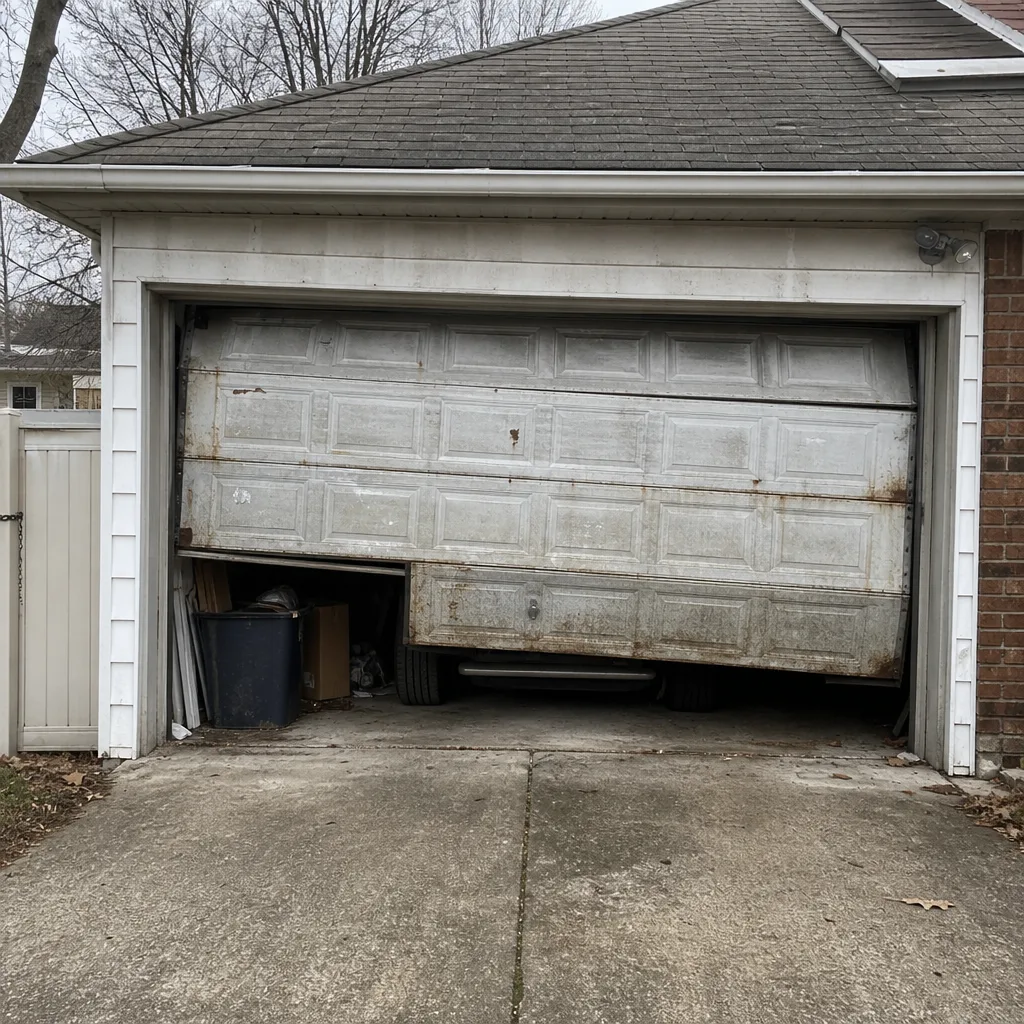 Before
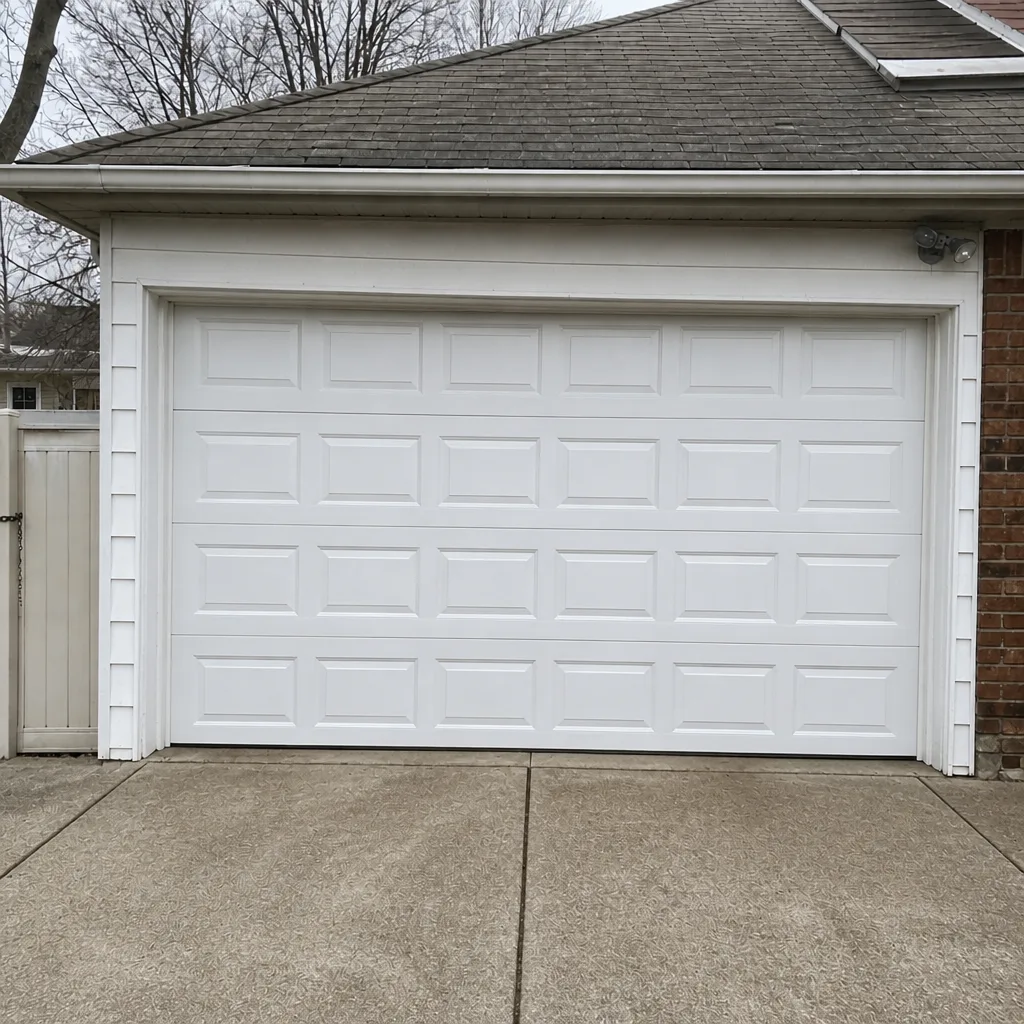 After
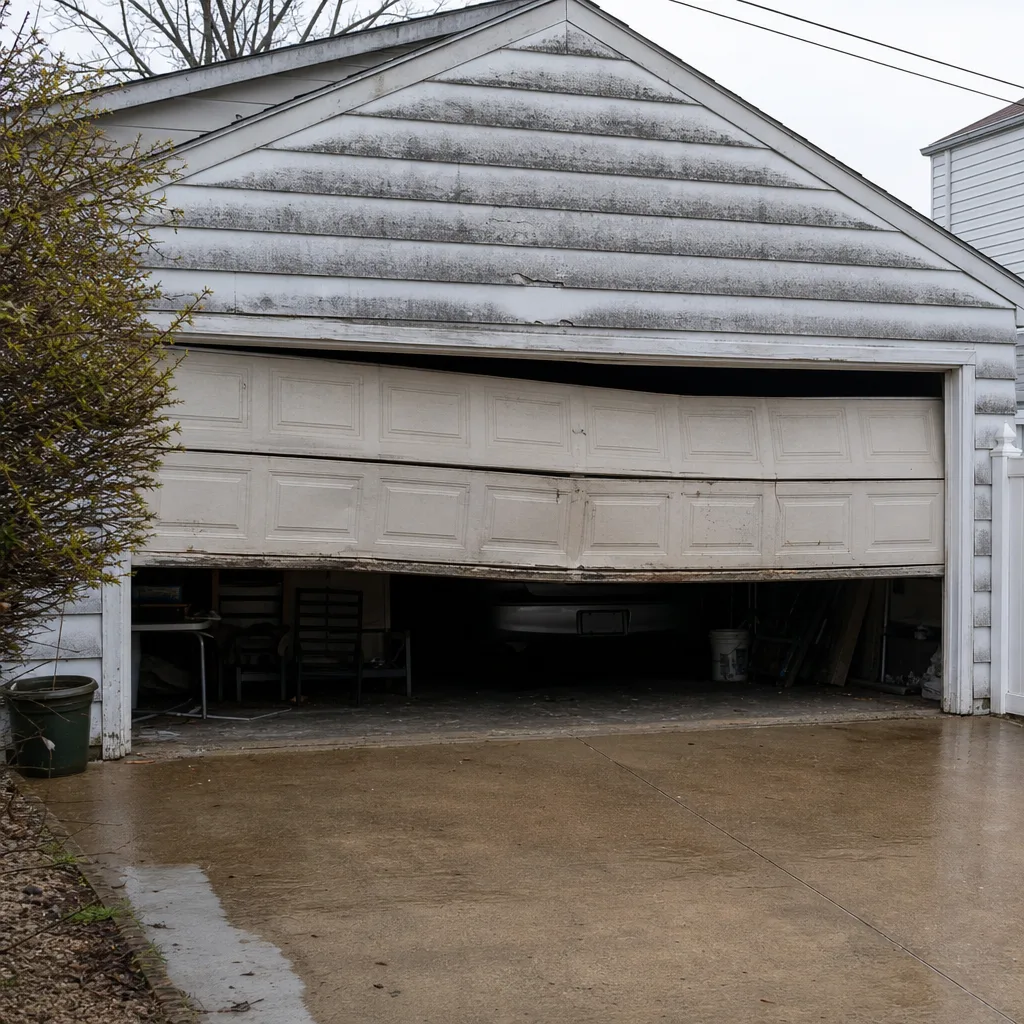 Before
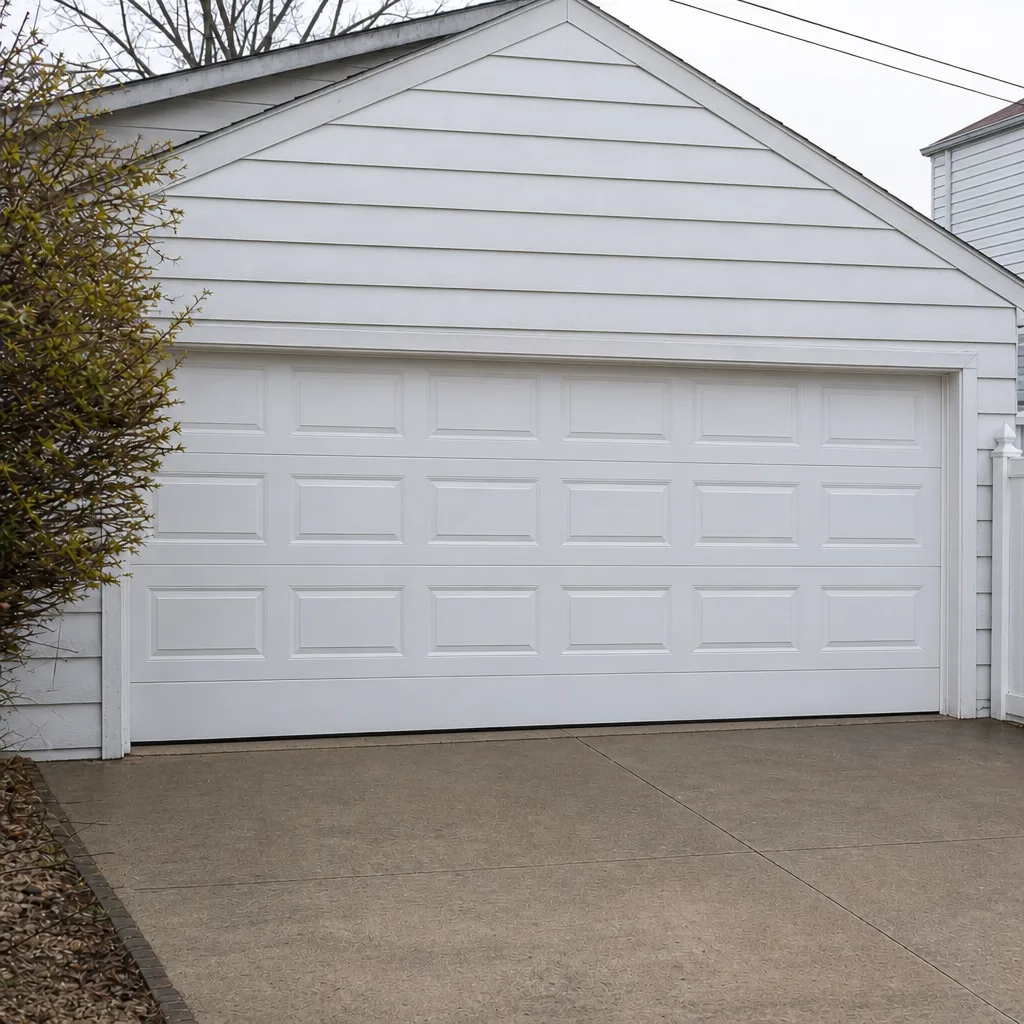 After
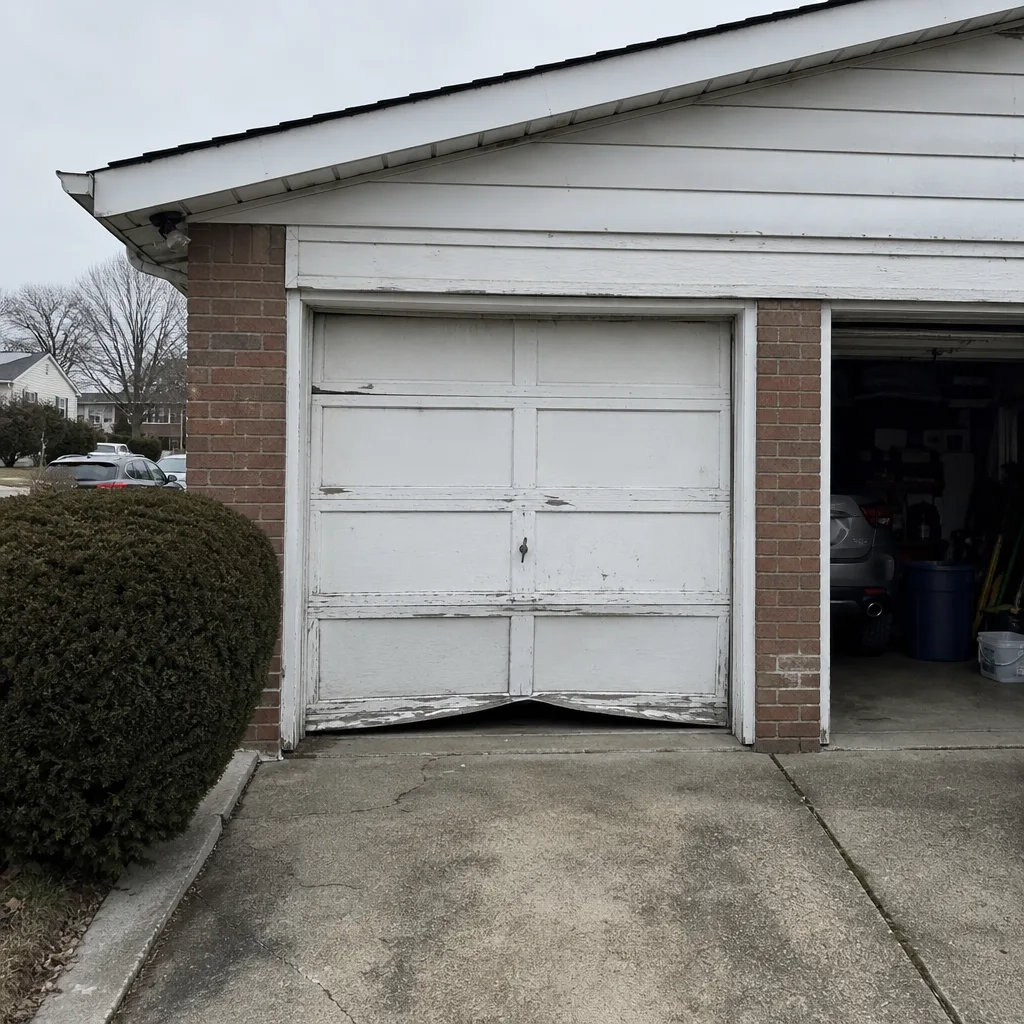 Before
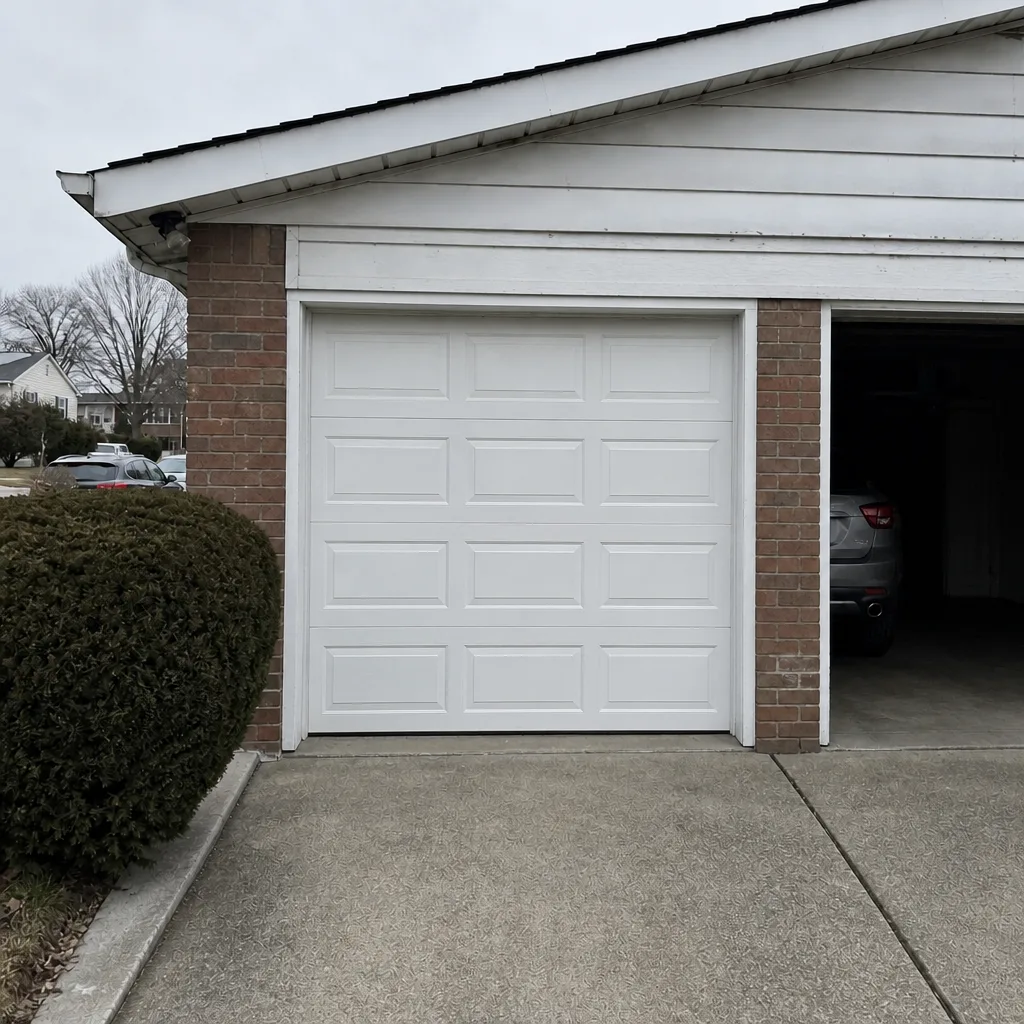 After